Working in Harmony with the Amazon Forest
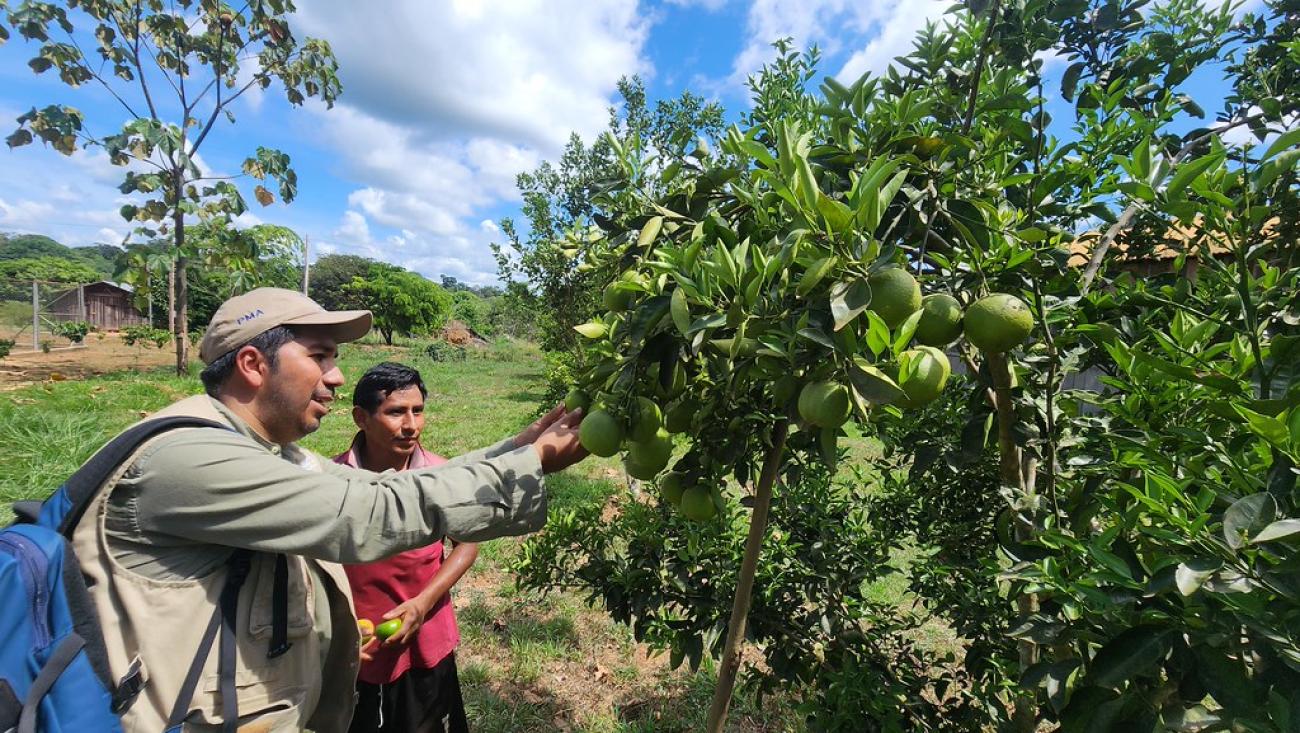
Since childhood, Manuel Lima, from Pando, Bolivia, learned that the Amazon forest is his home. Within it, he found his identity and mission. “For me, the forest means life, love and spiritual peace,” he says, recalling how his daily life was shaped by the Brazil nuts and small-scale family farming that sustained his community’s diet.
Walking through the forest trails, Manuel discovers both the stillness and the chaos of an ecosystem in balance. “We carry out conservation work. We have respect for nature and the forests. When we go to collect, we do not cut them down; we do not deforest,” he states firmly, underscoring the importance of keeping the Amazon alive.
Amazonian fruits have always been the foundation of the family table. Yet Manuel recognises that today they represent much more: they have become an opportunity for economic development and a promise for future generations.
“The Amazonian fruits that were once only for family consumption now enter a value chain and the market,” he explains enthusiastically, aware that this transformation opens new possibilities for families in the Bolivian Amazon.
Balancing economic growth and nature conservation
Manuel is one of the more than 2,000 people – over 50 per cent of whom are women and around 15 per cent are youth – whose reverence for nature and desire for economic growth are channelled into a sustainable model of living. Supported by a Joint UN programme, this way of living, with communities in the driver’s seat, is now reaping its harvest.
With funding from the Joint SDG Fund and support from the UN Food Systems Coordination Hub, “Strengthening Sustainable Food Systems in the Bolivian Amazon to Live Well and in Harmony with Mother Earth (AMAS-1)” reflects the importance and reach of interagency efforts. The World Food Programme (WFP), Food and Agriculture Organization (FAO), International Labour Organization (ILO), and International Fund for Agricultural Development (IFAD) coordinate actions on the ground under the leadership of the UN Resident Coordinator in Bolivia, Anna Pont, working together in the departments of Pando, La Paz and Beni.
The programme has promoted sustainable agricultural practices that improve productivity while conserving biodiversity. WFP strengthens local food systems and promotes family and school gardens to enhance access to nutritious foods.
As a result of this teamwork, 110 families adopted diversified and sustainable food production practices through family and community gardens, 85 per cent of which are led by women. And over 570 teenagers have been trained in hydroponics and climate-smart agriculture.
“Local communities are at the heart of the Amazon and likewise our support,” UN Resident Coordinator in Bolivia, Anna Pont, says.
But these gains are only sustainable as long as they are resilient. WFP has developed an insurance mechanism against extreme rainfall, with potential coverage of up to $1.2 million.
“Above all, the forest represents a sustainability challenge for new generations to guarantee a way of life,” Manuel says. With investments in local agriculture and climate resilience, the UN works with farmers in navigating the challenge that Manuel wisely identifies.
Sowing new opportunities
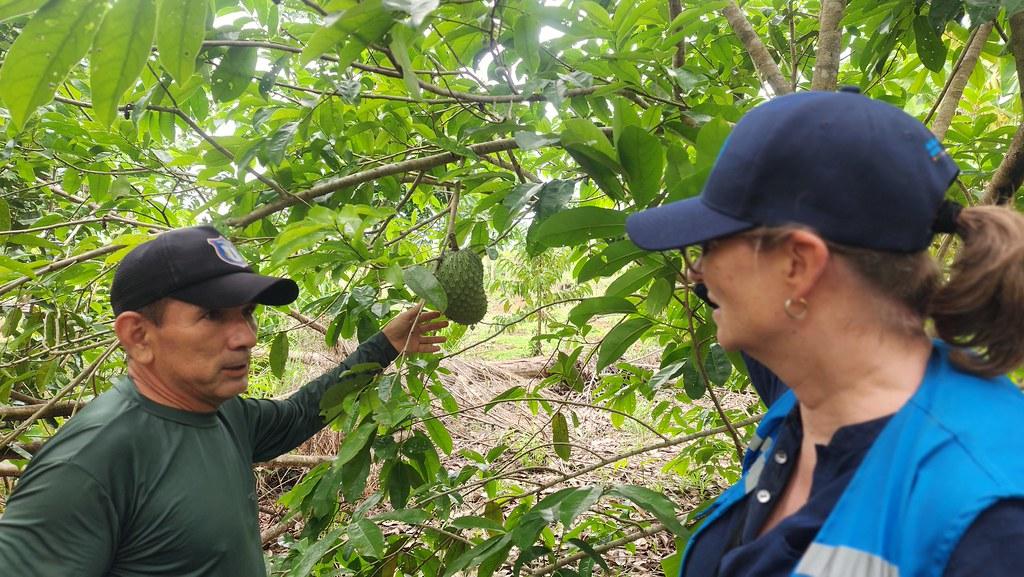
ILO works by integrating small-scale producers into existing international value chains, particularly in the case of Brazil nuts. Over 40 families now have access to more markets, achieving the first direct export of wild açaí and demonstrating that remote and vulnerable communities can meet international quality standards. For rural farmers looking to replicate these gains, the ILO offers training in entrepreneurship, business development, and the green economy.
As more communities expand their horizons, the ILO helps identify market systems and decent work deficits in the Brazil nut and açaí production chains.
The RCO not only coordinates these UN agencies' activities but also oversees strategic partnerships with the Government, international cooperation partners, and private companies. The programme has mobilised over $280,000 in investment from private businesses and implementing agencies, with RCO support.
“My Office provides interagency coordination and strategic alignment of the programme with national priorities and the Sustainable Development Goals,” Ms. Pont, says.
“Ultimately, we are encouraging a more cohesive approach to transforming food systems in the Bolivian Amazon.”
By seeing both the forest and the trees, the RCO ensures that partners work together towards the programme’s goals and leave no one behind.
Reaping a better future
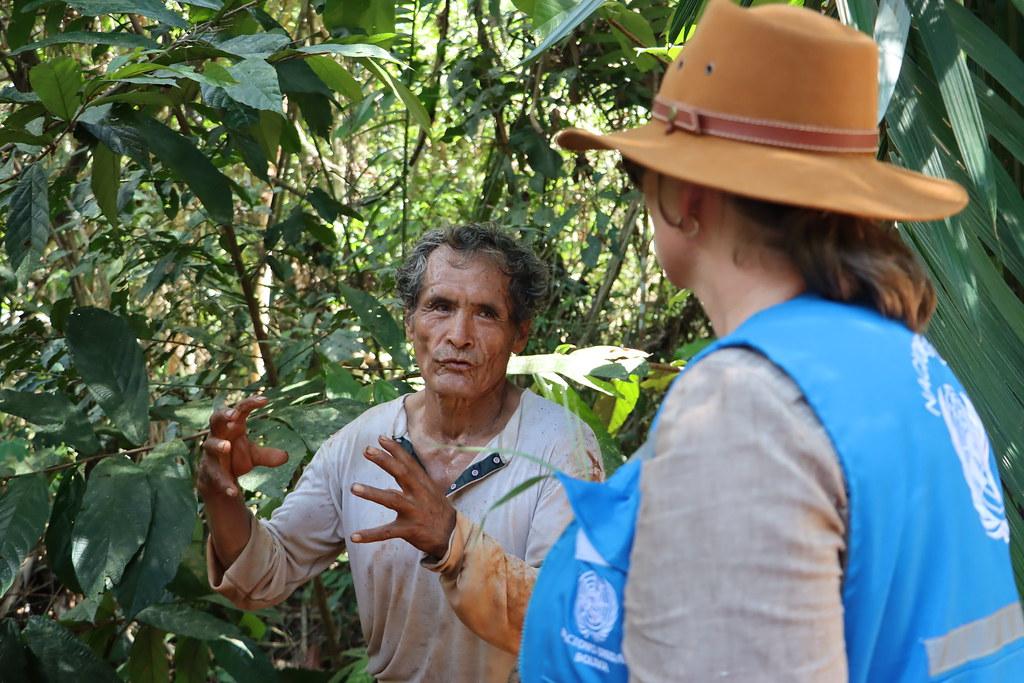
Manuel looks towards the future. He highlights the need to use by-products from Amazonian fruits to generate additional income and close the production cycle, thereby strengthening the value chain. His voice is a call: preserving the forest is not only a duty, but also the guarantee of life, nourishment, and hope.
The UN family aims to elevate Manuel’s respect for Mother Earth with the right policy support, investments, and partnerships. Climate-resilient agriculture, access to new value chains, and strategic partnerships are branches on the same tree, proving that economic growth and sustainability can complement, not contradict, each other. A conclusion that will harvest ideas as abundant as the Amazon.
Note:
All joint programmes of the Joint SDG Fund are led by UN Resident Coordinators and implemented by the agencies, funds and programmes of the United Nations development system. With sincere appreciation for the contributions from the European Union and Governments of Belgium, Denmark, Germany, Ireland, Italy, Luxembourg, Monaco, the Netherlands, Norway, Poland, Portugal, the Republic of Korea, the Kingdom of Saudi Arabia, Spain, Sweden and Switzerland for a transformative movement towards achieving the SDGs by 2030.
Please visit the UN team's website for more information about the UN's work in Bolivia.





Latest news and updates