Families Reclaim Their Lives in Burundi
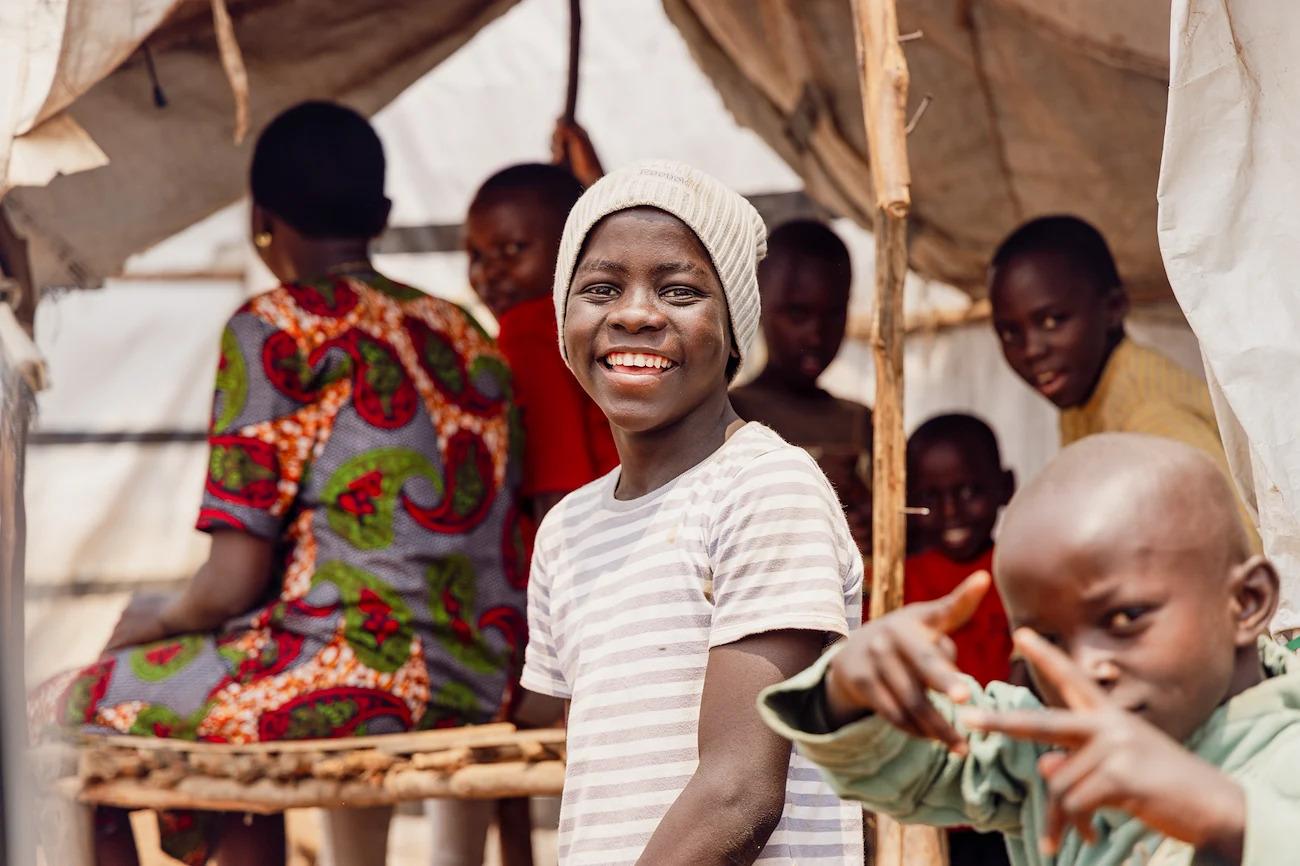
When rising waters displace entire villages
“We are very happy. You took us out of our flooded houses and brought us here.” - Jeanine Ndabazaniye
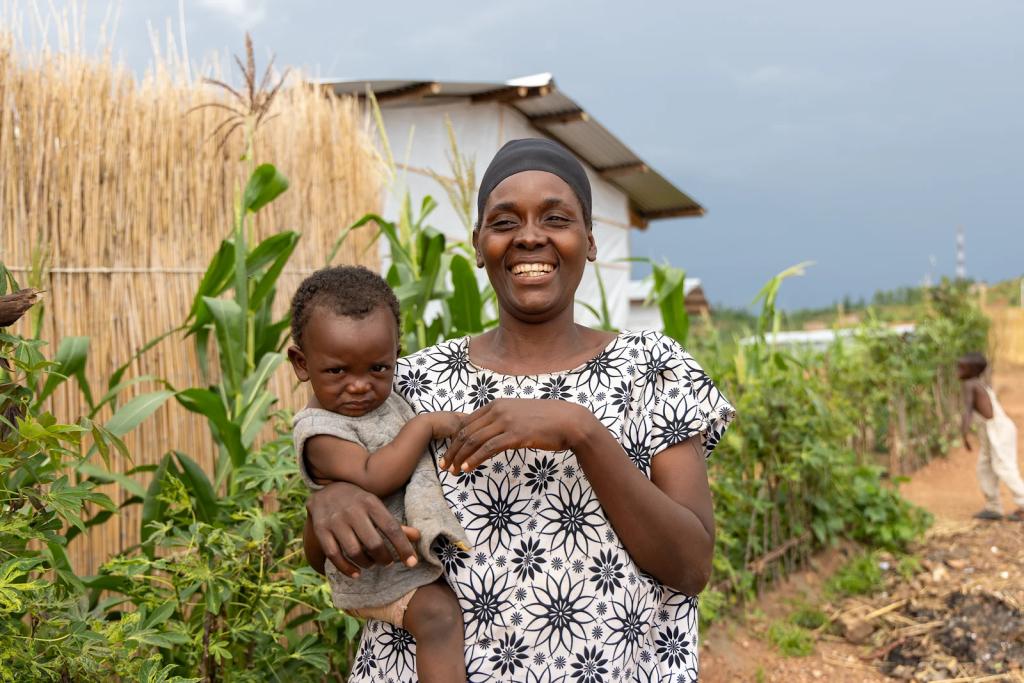
Almost two years ago, when rains flooded Gatumba village in western Burundi, 39-year-old Jeanine Ndabazaniye lost everything.
Now, the mother of 10 is rebuilding her life gradually after the devastation that befell her.
“It has not been easy, but we are grateful for the good housing you provided us,” she says, referring to their new houses built with support from the OCHA-managed UN Global Emergency Fund (CERF).
“In the past, we had no place to sleep, but today that challenge has been overcome,” she recalls.
Jeanine is not alone.
The rains were caused by El Niño – a global climate phenomenon that occurs about every 7 years – which, in 2023-2024, triggered droughts and floods that affected more than 60 million people around the world.
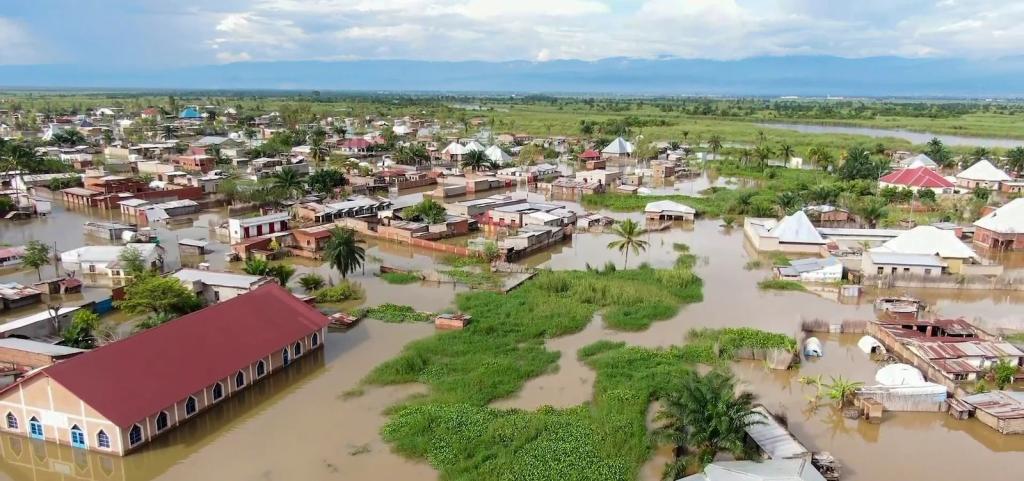
In Burundi, the increased rains upended the lives of nearly 300,000 people. The resultant floods, and the overflow from Lake Tanganyika, swept away homes, destroyed fields and forced entire families to flee, especially in rural Bujumbura.
“We were victims of floods that entered our homes in Gatumba. Without the means to buy a tent, I was forced to sleep on the street,” says Uwimana Jacqueline, now starting life anew.
She and Jeanine are among more than 100,000 people who were forced to leave their homes due to floods.
“Thanks to the Government and other organizations, we were relocated here to Gateri.”
In Gateri, former displaced families now have a roof over their heads, thanks to 250 shelters built by the UN Refugee Agency (UNHCR), with funding support from CERF.
“CERF [provided] $2.5 million for an emergency response to save lives immediately following the floods, and another $5 million to help resettle them in Gateri to address recurring displacements,” explains Zinatou Boukary, OCHA’s Head of Humanitarian Advisory Team.
An additional 80 shelters were constructed by Burundi Red Cross.
Residents have the option to improve and turn the semi-durable shelters – with concrete foundations and pillars and iron-sheet roofs – into permanent homes. Already, beneficiary families are being supported to make bricks for upgrading the shelters.
The village is now home to more than 6,000 people and is expected to take in about 4,000 more.
Promoting food security and self-reliance
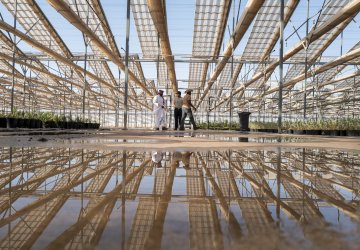
With support from the Food and Agriculture Organization of the UN (FAO), families have turned the village into a greener, more resilient place, producing a part of their own food through household and communal gardens, run in collaboration with local authorities.
“We’re deeply grateful to the FAO, whose support has been invaluable,” says Mbonigaruye Clinton, a 24-year-old father of two. “They equipped us with hoes for cultivation and seeds for our fields, enabling us to grow vegetables and improve our livelihoods.”
In addition, the World Food Programme's (WFP) cash support helped the residents become self-reliant.
“Before we received support from WFP and bought the food items we sell today, the life we led didn’t allow us to have a source of income. But since we received this support, we were able to start income-generating activities. We also have a place to sell our products, which allows us to meet our needs,” says Kubwimana Arnaud, a 26-year-old father of five.
Better health services now an integral part of new life
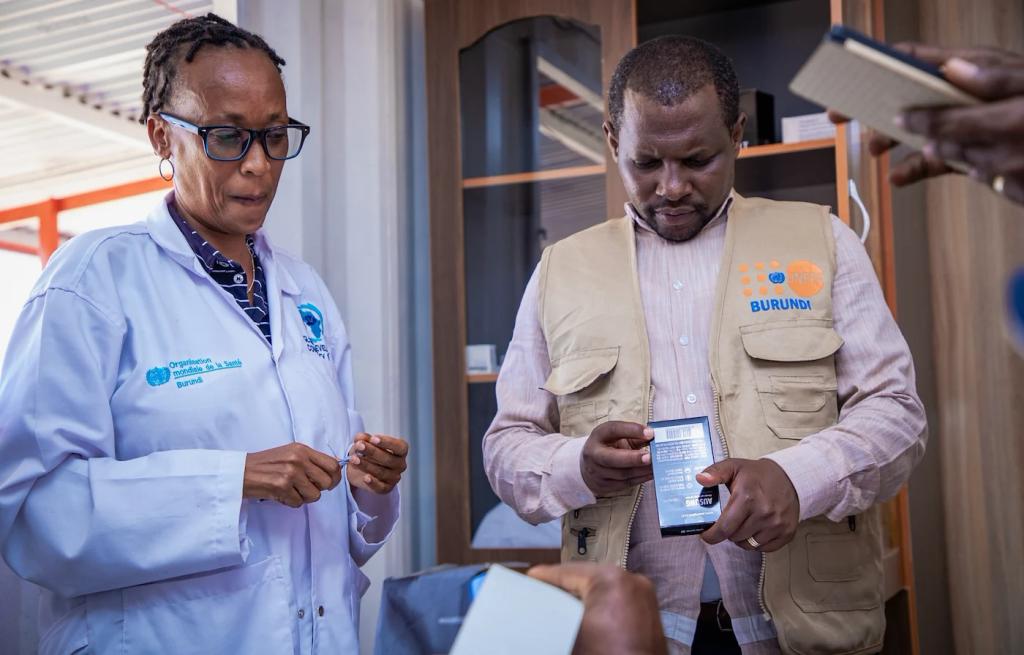
A brand-new health centre has also opened, with support from the World Health Organization (WHO). The centre is already linked to the national health system.
“When we were brought here, it was difficult to access medical care since the site had only recently been established,” says Ndasiyenga Francine, a 23-year-old mother of five visiting the centre with her two children.
“With the arrival of the centre, our difficulties were reduced. They cared for us free of charge,” she says.
“When the displaced persons first arrived here, there were no medical facilities. But thanks to UN CERF support, WHO established four essential services – the reception service, the labour ward, consultations and the pharmacy – to help the people of Gateri receive better care,” says Dr. Niyambaka Yguette, a healthcare provider at the centre.
Other humanitarian partners, including UN Women and the UN Population Fund (UNFPA), have also brought their services to the village of Gateri, benefitting women and girls, and young people in general.
Butoyi Ariella, a 30-year-old mother of seven, was pregnant and unable to afford an ultrasound when she arrived in Gateri.
“I was later directed to the health centre, where I did an ultrasound and received treatment free of charge,” she says.
Dr. Aline Arakaza, a healthcare provider at Gateri’s Remesha Centre, says they have seen a lot of changes since they started serving the village.
“There were a lot of health-related problems, including deaths among mothers and newborns. For example, there were many pregnant women who did not receive antenatal care. In addition, there was a lack of information about reproductive health and services. That’s why there were unwanted pregnancies and no birth spacing.”
The centre, built with funding support from CERF, also provides comprehensive protection against gender-based violence, including a referral system.
“Even when we suffered attacks like rape or physical violence, we didn’t know whom to turn to. But after the arrival of the Remesha Centre, many hearts were relieved and soothed because they gave us satisfying awareness sessions,” says Izompa Emelyne, who has seen the value of the centre in their lives.
Safe drinking water now reaches the village, thanks to the UN Children’s Agency (UNICEF), which installed a network of pipes stretching several kilometres. Uwimana Jacqueline recalls how things were in the early days.
“When we arrived, it was difficult for us to get water. Not far from here is the Rusizi River. That is where we went to fetch water, with difficulty.”
In addition to safe drinking water, the villagers now have latrines, completing an essential set of water, sanitation and hygiene services.
In Gateri, displaced families are finally reclaiming their real lives, with sustainability as the main goal.
Violet Kenyana Kakyomya, the UN Resident Coordinator in Burundi, says, “The goal is self-reliance, with the assistance already received.” She explains, “This is not a site for continuous humanitarian aid. It is an integrated village; a place where residents become autonomous and set an example for others.”
Climate change-induced extreme weather events are becoming more severe and frequent, putting millions of people around the world at risk of increased vulnerability. At OCHA, our CERF Climate Account allows for quick disbursement of funds when climate-related disaster strikes.
This story was originally published by UNOCHA. Please visit the UN team's website for more information about the UN's work in Burundi.





Latest news and updates