Three Decades, Many Frontlines: Reflections on a UN Career and Five Defining Years in China
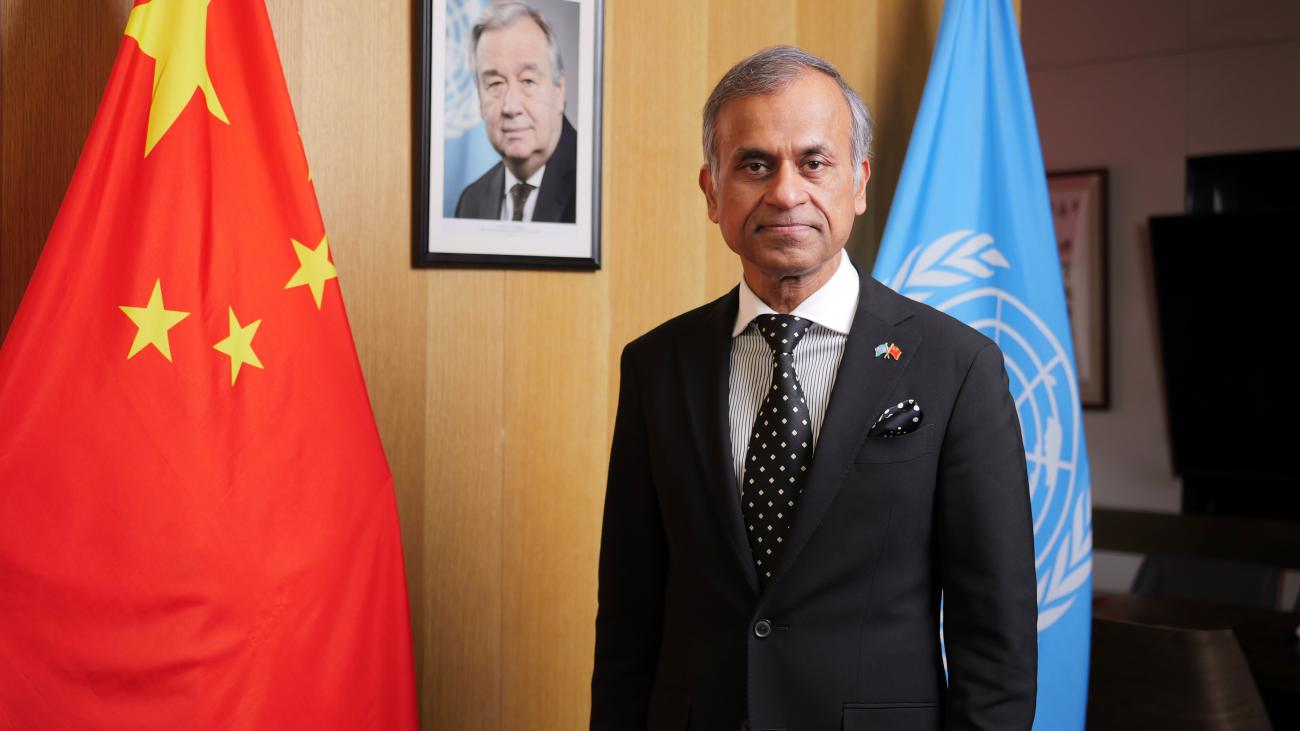
As his tenure in UN China draws to a close, Siddharth Chatterjee, UN Resident Coordinator in China (2021-2026), reflects on his decades-long UN career and the importance of coordination in the diverse contexts, crises and communities that defined his journey.
I began my career with the United Nations in 1997, but my commitment to peace was shaped earlier, during a decade of military service. That period instilled discipline, duty and loyalty and also exposed me, at close range, to the human cost of violence. Over time, a growing unease took hold: the realisation that force alone cannot address the underlying drivers of conflict. That recognition ultimately led me to seek a different path.
When I joined the United Nations, I expected demanding work guided by the pursuit of peace. I could not have anticipated the breadth of contexts, crises and communities that would define the years ahead. Now, nearly three decades later, as my UN career draws to a close, I remain humbled by the resilience of people living through adversity, the dedication of colleagues and the trust placed in the UN by national partners.
Learning the long view
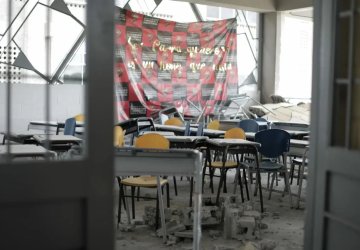
My early UN assignments were in peacekeeping, including in Bosnia and Herzegovina, where the visible legacies of conflict were still deeply rooted. That understanding deepened in Iraq. From 1997 to 2000, I worked closely with Kurdish communities; years later, as Chief of Staff of the UN Mission in Iraq (2007–2009), I returned to see firsthand the devastation left in the wake of the 2003 conflict.
These experiences reinforced a lesson that would follow me throughout my career: peace and recovery are not singular events. They are long-term processes that require sustained investment in institutions, trust and opportunity — and coherence across humanitarian, development and political efforts.
That lesson became even more tangible during my work with the UN Children’s Fund (UNICEF) in Indonesia, Somalia, South Sudan and Sudan, where urgent humanitarian needs intersected daily with longer-term development challenges.
Swords into plowshares: Children and the possibility of change
One moment stands apart in its clarity and weight.
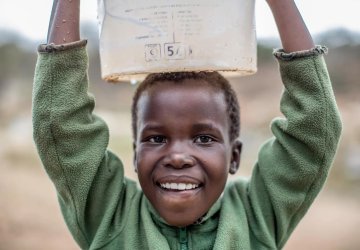
In 2001, in South Sudan, I watched 3,551 children lay down their weapons. As the UNICEF official leading what was then the largest demobilisation of child soldiers in an ongoing conflict, I witnessed a transformation that defied the surrounding violence. I still remember their faces — marked by trauma, yet open to possibility — as they stepped away from war and towards programmes designed to support their return to families, education and civilian life.
That moment affirmed something essential: even in the most fragile contexts, change is possible when commitment is sustained and institutions act with purpose. It also carried deep personal meaning. In helping those children reclaim their futures, I found resolution to questions that had followed me since my own experiences in uniform.
The lesson endured: lasting change at scale does not emerge from isolated action, but from alignment — across institutions, partners and communities — behind a shared moral purpose.
From field experience to coordination
A year of study in public policy at Princeton University provided space to reflect more analytically on these experiences. Subsequent roles with the UN’s Office for Project Services (UNOPS) and the International Federation of Red Cross and Red Crescent Societies further shaped my understanding of partnership, particularly the care required to build trust across institutions with distinct mandates.
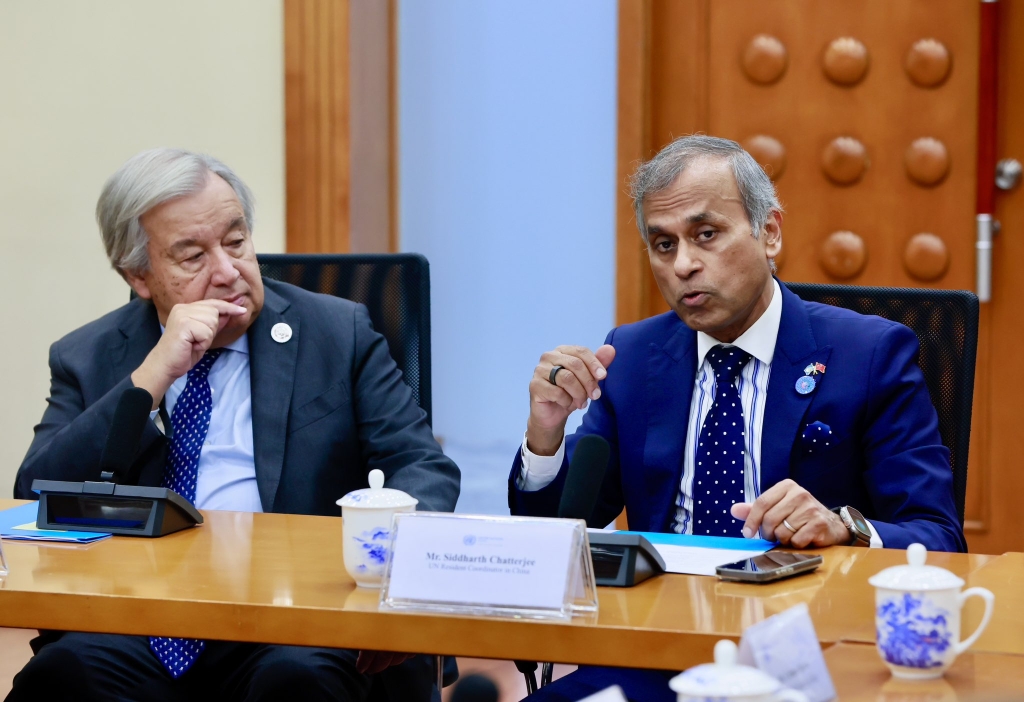
Together, these experiences prepared me for the role of UN Resident Coordinator — a function less about direct delivery and more about enabling coherence across a diverse system.
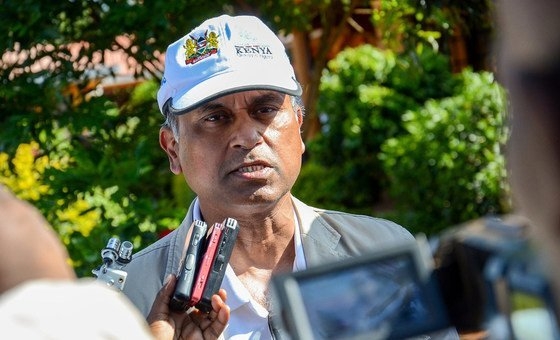
From 2016 to early 2021, as UN Resident Coordinator in Kenya, I saw how progress on complex issues — from maternal health to the rights of women and adolescent girls — depended on collective effort. National leadership was decisive. The UN’s contribution lay in aligning expertise, facilitating dialogue across sectors and ensuring that efforts reinforced rather than fragmented one another.
Coordination, I learned, is not an abstract concept or an administrative exercise. It is a daily practice, grounded in trust, shared priorities and accountability.
It was in this crucible — amid Kenya's struggle to protect its mothers — that the true weight of coordination became indelible to me. The data told us an unambiguous story: just six counties accounted for nearly half of all maternal deaths. By zeroing in on these high-impact areas, we were able to forge public-private partnerships that brought tangible investments and impact. Together, we strengthened frontline health facilities in some of the country’s most remote reaches. Within a few short years, this collective resolve contributed to a reduction in maternal mortality of roughly one third across those counties — a powerful reaffirmation that coordination matters only when it delivers measurable results for the people we serve. This work earned recognition from the World Economic Forum, and I was honored to be invited to Davos alongside our private sector partners: Huawei, Merck, Philips, GSK and Safaricom.
China: Alignment at scale
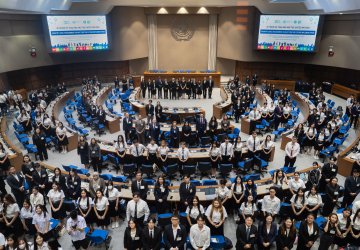
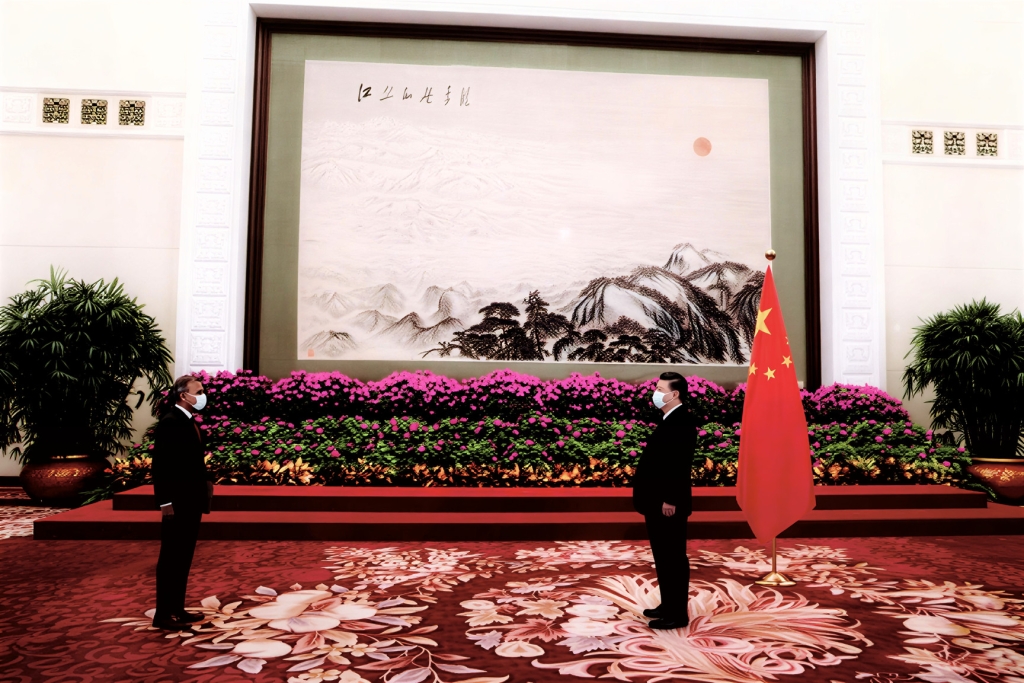
When I arrived in China in January 2021 as Resident Coordinator, I entered a context defined by scale, complexity and long-term vision. China’s development achievements are well known, but the challenges ahead — demographic change, regional disparities and the transition to a green, low-carbon economy — are equally significant.
The UN’s role is to support alignment: engaging on national priorities while anchoring cooperation in multilateral norms and the Sustainable Development Goals. This required close integration across UN entities, reliance on evidence and collaboration, and the sustained convening of partners from government, academia, civil society and the private sector.
The value of coordination in such a setting is often quiet and incremental. When it works, it allows diverse capabilities to move in the same direction and enables scale that no single institution could achieve alone.
Some of my most meaningful moments in China came during field visits — listening to local innovators, engaging with young people and seeing how global goals translate to community level solutions. These encounters reinforced a conviction carried throughout my career: development endures only when it is locally owned.
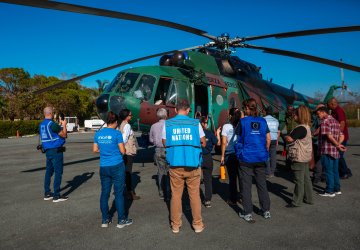
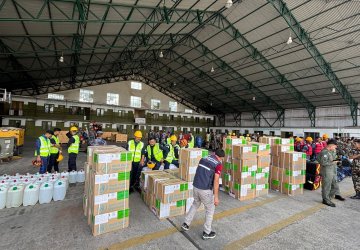
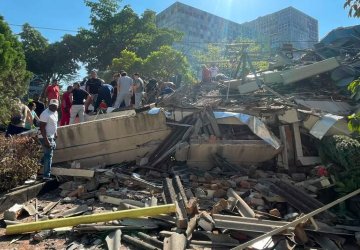
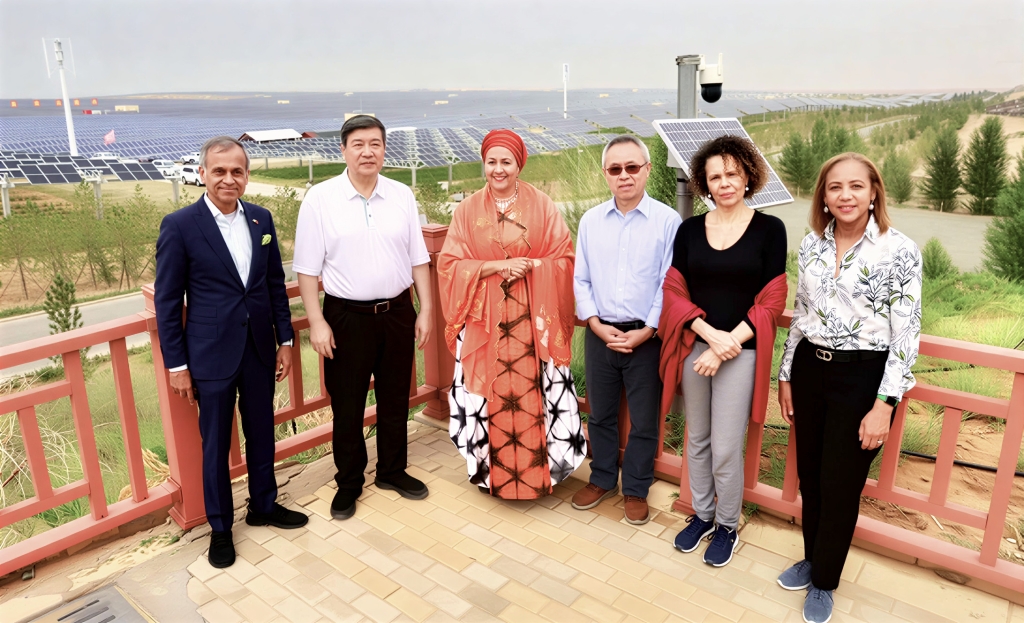
That conviction also shaped how I approached coordination beyond China’s borders. In my role, I worked closely with Chinese officials, national and international partners whenever crises demanded collective action. Following the earthquake that struck Myanmar in March 2025, within the first 24 hours I helped bring together Chinese government counterparts, the UN Country Teams in China and Myanmar, regional UN colleagues and humanitarian partners to advocate for a more coordinated response.
I was deeply impressed by the speed and leadership with which China mobilised assistance, including the rapid deployment of search and rescue teams, as well as by the many people working quietly behind the scenes to overcome obstacles and ensure aid reached affected communities in time. In that moment, the UN Resident Coordinator Office’s quiet coordination role proved essential in translating shared commitment into timely, coherent support when it mattered most.
Closing reflections
I conclude my UN service with deep gratitude — to colleagues across the system, to governments who engaged the UN as a partner and to communities who shared their experiences and resilience.
Looking back across these decades, from post-conflict settings to rapidly transforming economies, I see a consistent thread: progress is neither linear nor guaranteed, but it is possible when institutions work together in service of people and peace.
At a time of growing global strain — from climate change and conflict to technological disruption and misinformation — cooperation matters more than ever. The work of development coordination may rarely draw attention, but it remains essential. It is, ultimately, about enabling collective action in pursuit of human dignity.
This blog was authored by Siddharth Chatterjee, UN Resident Coordinator in China (2021-2026). Please visit the UN team's website for more information about the UN's work in China.





Latest news and updates