Sowing the Seeds of Better Nutrition in Pakistan
The Resident Coordinator and Humanitarian Coordinator in Pakistan, Mohamed Yahya, reflects on the state of dietary diversity and malnutrition in Pakistan, as well as the UN's support in addressing challenges and creating opportunities for a transformed food system.
A silent crisis is unfolding on our plates: diets built on grains and sugar leave many undernourished while diabetes continues to rise. Pakistan does not lack food, but many still struggle to access a balanced diet. A policy shift from a ‘food security’ approach to a ‘food systems transformation’ could be a gamechanger.
Walk through any Pakistani bazaar or sit for a cup of tea and one thing is hard to miss: sugar. It is cheap, plentiful and woven into daily life.
The human cost is less visible. Pakistan’s children are among the most malnourished in the region. Over 30 per cent of under-fives are stunted, and diet-related diseases are rising. According to the International Diabetes Federation, Pakistan has the highest prevalence of adult diabetes in the world, with approximately 34.5 million people living with the condition — a prevalence rate of between 26.7 per cent and 30.8 per cent for adults.
What looks like a dietary habit is really an economic outcome: a system that prioritises calories above nutrition. For decades, Pakistan’s food policy has been shaped by an understandable preoccupation: ensuring sufficient supplies of crops that are consumed regularly and in high quantities, otherwise known as staples, for a fast-growing population size. The central questions were logistical and political — wheat procurement, strategic reserves, administered prices. Those instruments mattered in a world where famine was a real fear.
But the national challenge has evolved. Today, the test is not simply whether Pakistan can feed its people, but whether families can afford and access sufficiently diverse foods to nourish themselves.
The cost of a limited food system
The latest global food security report estimates that over 60 per cent of people in Pakistan cannot afford a healthy diet. Some 16.5 per cent are undernourished, even as obesity has risen to 23 per cent.
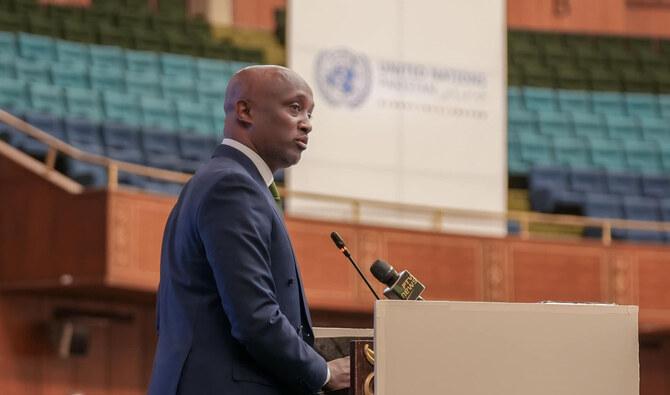
I have seen the consequences first-hand. In 2024, my Office coordinated UN agencies and local and national partners in providing nutrition support to over 1.2 million children and pregnant and breastfeeding women, with over 565,000 children receiving treatment for severe acute malnutrition.
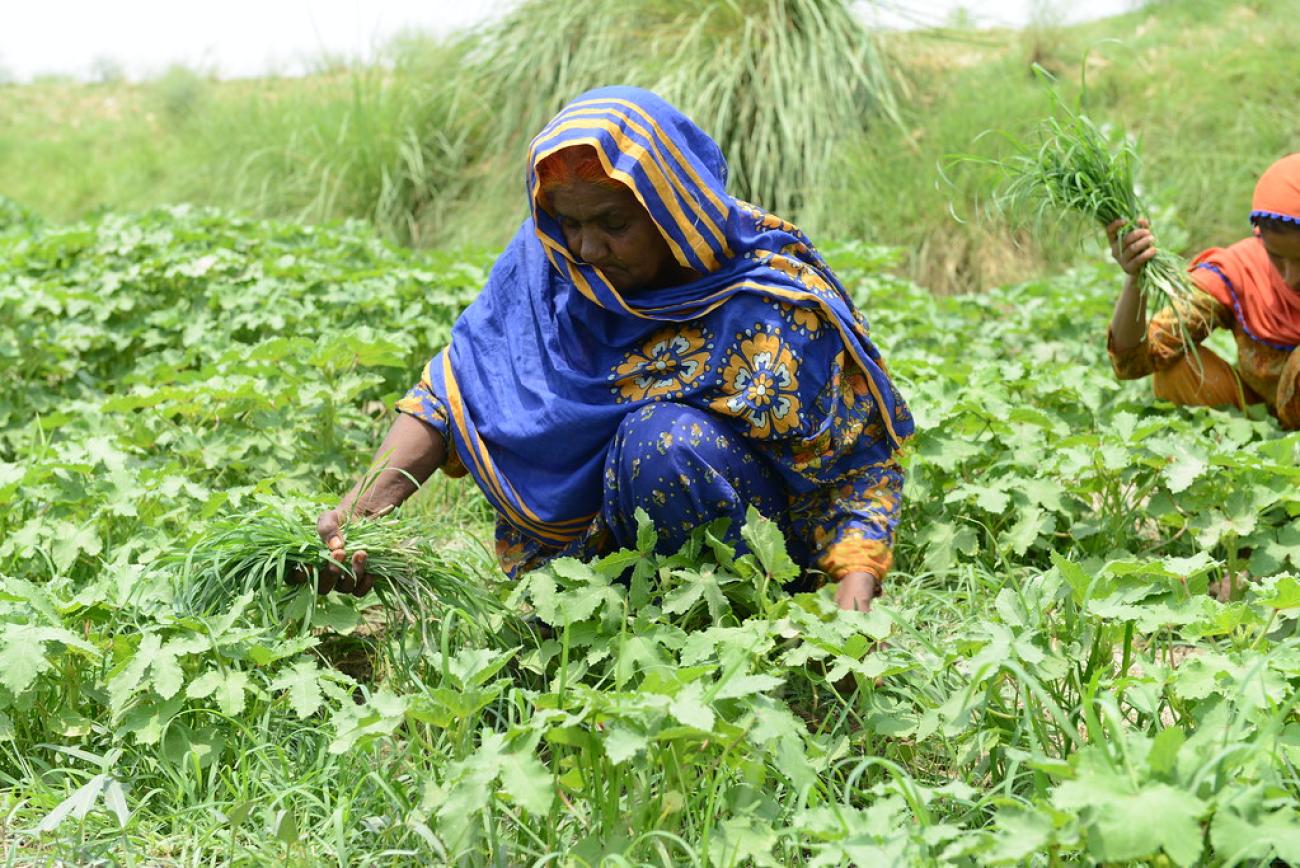
New evidence from a Food Systems Transformation initiative led by the Food and Agriculture Organization (FAO) clarifies the access problem: while Pakistan’s overall dietary energy availability is adequate, the national food supply falls short of what is needed to support healthy diets in line with national guidelines.
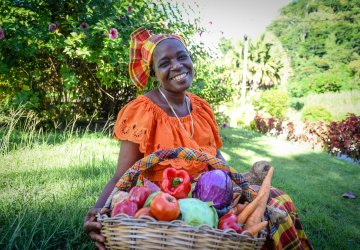
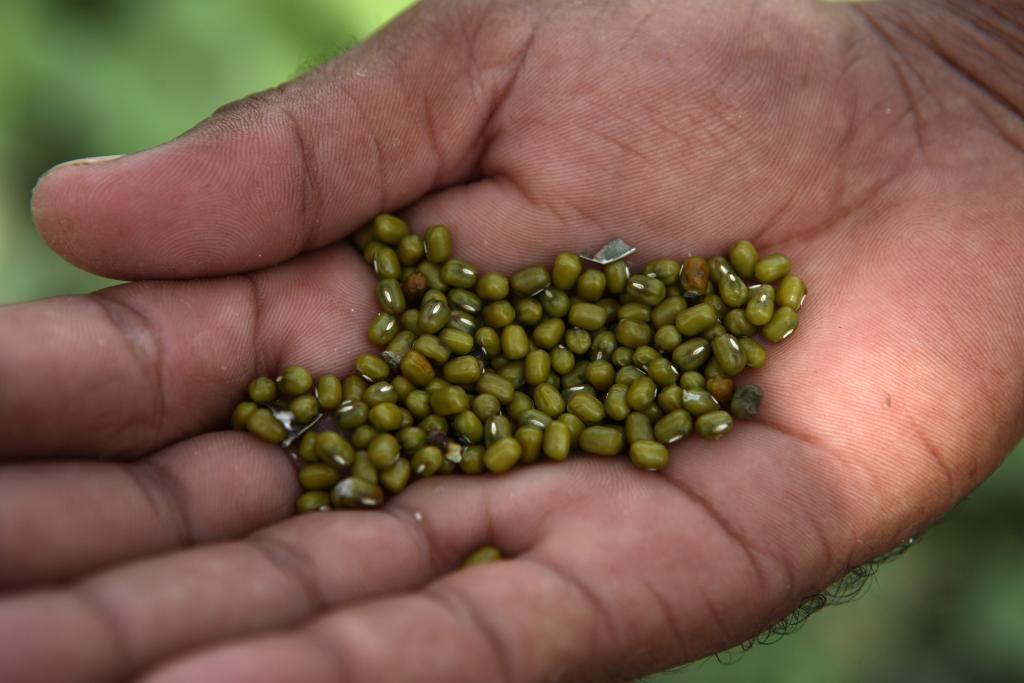
Significant gaps persist in the availability of key food groups, including fruits and vegetables, pulses and legumes. These shortages directly weaken the population’s access to, and therefore ability to choose, a healthy diet.
Making changes and addressing challenges
Pakistan needs a policy shift. Staple-focused food security is not food systems transformation. The first manages commodities; the second manages the entire system — how resources are allocated, what is grown and processed and how those choices shape diets, health and sustainability.
2024 marked a major milestone in Pakistan’s journey to transform food systems. With coordination support from my Office, Pakistan secured its first-ever allocation from the Joint SDG Fund to advance a new approach to food security. The programme, implemented under FAO’s technical leadership, will focus on enhancing agricultural resilience, improving nutrition and promoting sustainable rural livelihoods, with a strong emphasis on engaging various industries.
My Office is also supporting Pakistan in enhancing nutrition frameworks, laying the groundwork for new policies. Key achievements include the endorsement of the costed National Nutrition Action Plan, the passage of Sindh’s Breast Milk Substitutes Act and the launch of Punjab’s Multisectoral Nutrition Strategy.
But three things currently hamper this transformation. First, policy still remains narrowly focused on the availability of staple foods, technically limiting the definition of food security.
Second, the institutional architecture treats food security almost exclusively as an agricultural problem, designing and implementing policies from that perspective. However, food insecurity is tied to other issues, including access to healthcare. The UN has supported nutrition training and infrastructure development with the goal of expanding access to high-impact nutrition interventions, such as training over 45,000 personnel on infant and young child feeding. The proportion of health facilities strengthened to provide nutrition services rose from 30 per cent in 2022 to 47 per cent in 2024.
And third, there is a complete absence of modern food systems governance capable of integrating the diverse actors, factors and processes that ultimately shape food security outcomes.
Cultivating a different future
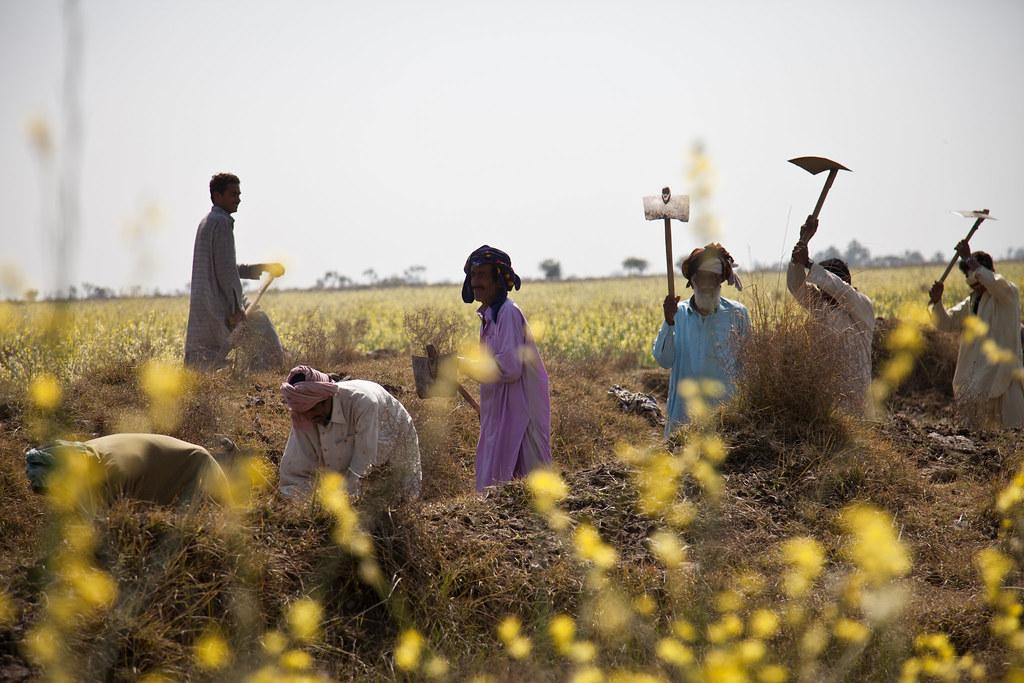
Immediate action on four tracks could transform Pakistan’s approach. First, create incentives for dietary diversity. Rather than privileging a narrow set of staple crops, policy should support the production and affordability of nutrient-dense foods such as fruits, vegetables, pulses and, where appropriate, animal-source foods, without undermining price stability.
Second, reduce food loss and waste. Cutting post-harvest losses in the agri-food industry, estimated at 20 to 40 per cent, may be the fastest way to expand the effective supply of nutritious foods without requiring more land or water.
Third, build awareness and a strong political and social constituency for healthy diets. Until citizens demand better nutrition and leaders see electoral value in delivering it, progress will be slow. In this spirit, the UN and partners reached over 2.9 million mothers and caregivers with nutrition messages in 2024.
Fourth, use fiscal policy to make healthy choices easier. A nutrition-first agenda cannot rely on messaging alone; it requires coherent taxation, subsidies and public procurement that shift relative prices and incentives, including reviewing commodity support, assessing the health impact of food taxes, and using targeted social protection to improve access to diverse diets.
Pakistan has spent decades asking: do we have enough wheat? The more urgent question today is: can families afford and access enough good food? A food system that reliably delivers healthy diets is not a luxury agenda. It is economic policy, resilience policy and ultimately, nation-building.
This blog was adapted from an article originally published on the DAWN website. Please visit the UN team's website for more information about the UN's work in Pakistan.





Latest news and updates