2026 UN Results Report Awards: Seven Teams, Seven Stories
What changed because the UN was on the ground in 2025?
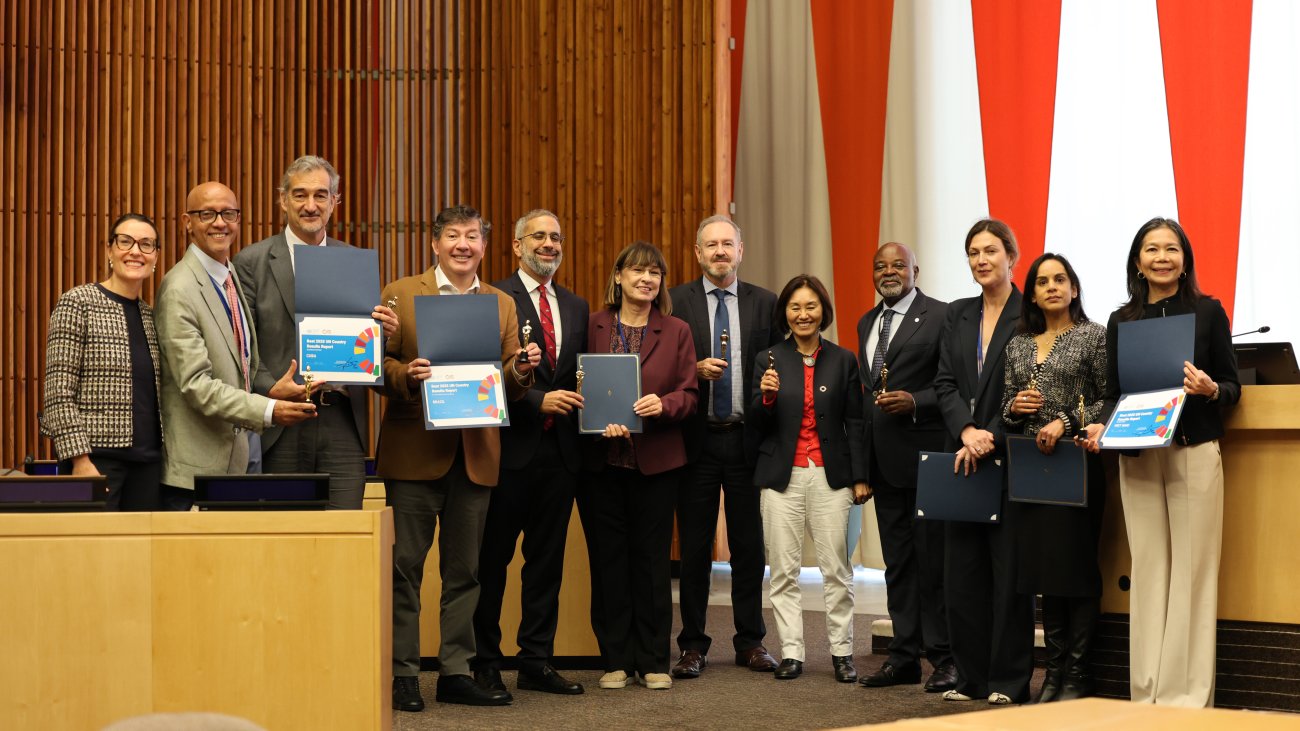
Seven UN country teams have been recognised in the 2026 UN Country Results Report Awards for showing what they achieved alongside national partners—and how they used resources, learned from challenges and plan to move forward.
What changed for a country and its people because the UN was there? The 2026 UN Country Results Report Awards put that question at the heart of reporting on the UN’s work in 2025.
The awards recognise reports from Eritrea, Mauritania, Saudi Arabia, Viet Nam, Bosnia and Herzegovina, Brazil and Cuba. Together, they show how UN teams worked with governments and other national partners—and how they reported on results, resources, challenges and next steps.
Brazil: Connecting global attention with national priorities
In 2025, Brazil hosted COP30 as climate negotiators gathered in Belém. The UN country team supported Brazil’s role as host and backed efforts to protect the Amazon. Alongside national partners, it also contributed to dozens of public policies—work that may receive less attention than a major international summit, but can shape people’s lives over time.
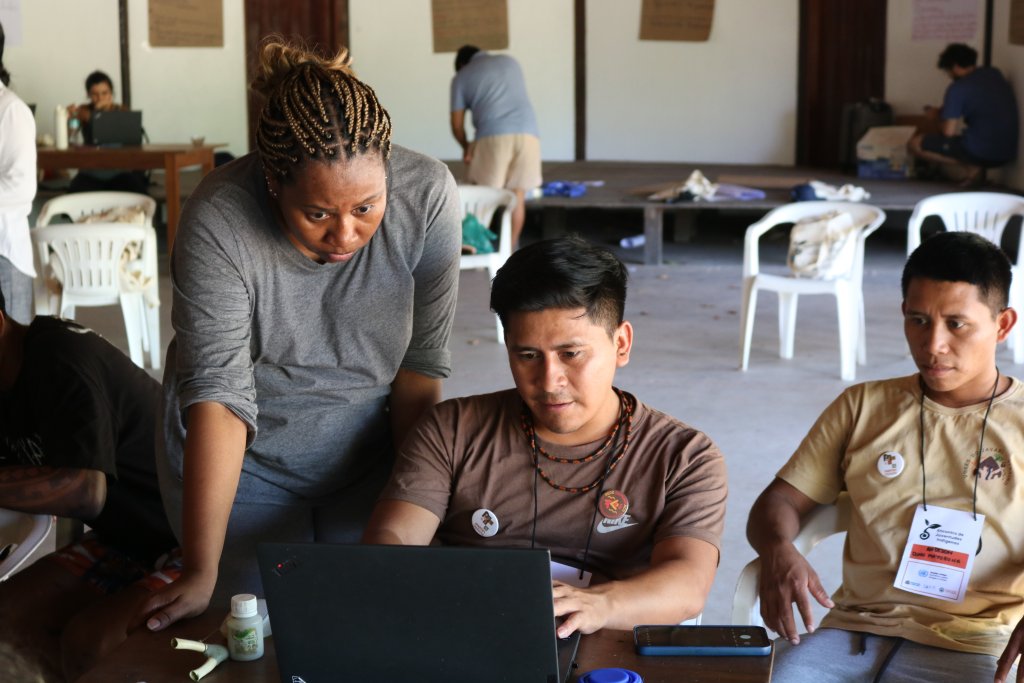
Viet Nam: Supporting a country in transition
As Viet Nam pursued its goal of becoming a high-income country by 2045, the UN team worked alongside the Government through a period of change. Its report also examined how the UN itself could advance gender equality and the inclusion of people with disabilities.
Bosnia and Herzegovina: Bringing partners behind a shared agenda
As Bosnia and Herzegovina continued its path towards the European Union, the UN team brought its entities together around a shared agenda. It worked with partners at every level of government—from state institutions to local municipalities—on education, social services and public institutions.
Saudi Arabia: Making results accessible
The UN team in Saudi Arabia worked with the country on its national transformation, sharing expertise on data and sustainable development. Publishing its results in both Arabic and English helped make the report accessible to a wider audience.
Eritrea and Mauritania: Reporting with national partners
In Eritrea, the Government leads a partnership with the UN focused on health, food security and resilience. The report also provides a clear account of how resources were used.
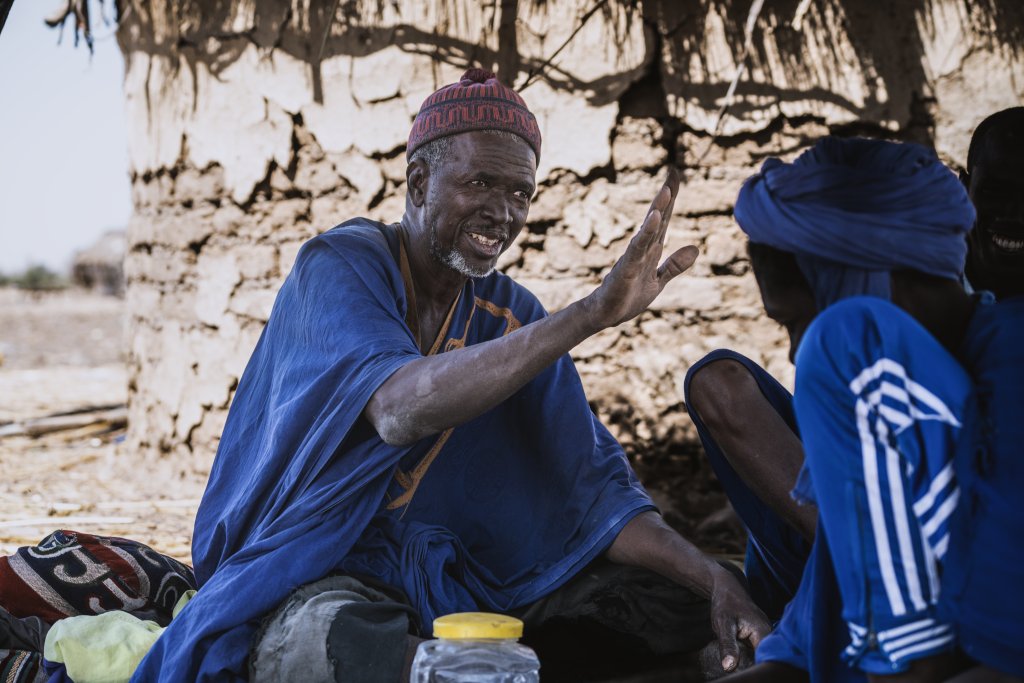
In Mauritania, the UN worked with national institutions on nutrition, social protection and resilience. The team reported in French—the language of its partners—and presented its results alongside a joint plan for the years ahead.
Cuba: Showing what delivery looks like in a complex setting
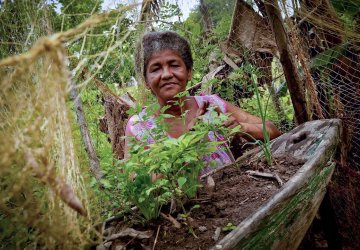
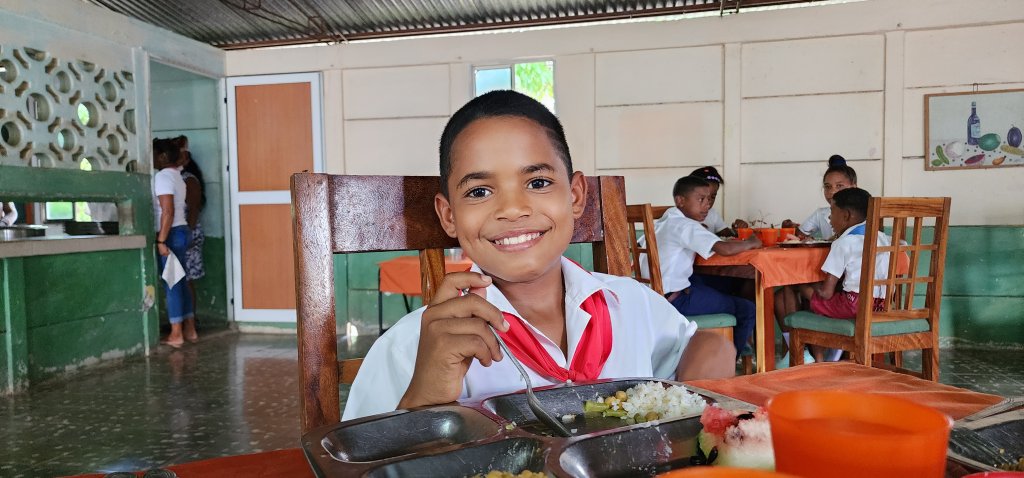
Amid a severe energy crisis and the devastation caused by Hurricane Melissa, the UN team in Cuba worked with national authorities to support communities, sustain essential services and contribute to recovery. The report puts the experiences of farmers, families and frontline workers at the centre of its account. It received this year’s award for reporting in complex settings.
Reporting results means showing the whole picture
The seven reports come from very different contexts. Each, in its own way, shows the value of telling one shared story of what the UN achieved with national partners—not simply listing what individual UN entities did.
They also make the work easier to understand by showing what resources were needed and where they went, acknowledging what did not go to plan, and explaining what the teams learned and will do next.
“Our Annual Results Reports are an important part of how we demonstrate results, accountability, and learning across the system,” said Oscar Fernández-Taranco, UN Assistant Secretary-General for Development Coordination. “They provide governments and partners a clear picture of what the UN has achieved collectively, while strengthening accountability and demonstrating impact.”
At a time when multilateral cooperation is being asked to demonstrate its value, clear and honest reporting matters. It helps people and partners see what changed, how the UN contributed, and what still needs to happen.
Read the winning UN country results reports
- Africa: Eritrea and Mauritania
- Arab States: Saudi Arabia
- Asia and the Pacific: Viet Nam
- Europe and Central Asia: Bosnia and Herzegovina
- Latin America and the Caribbean: Brazil
- Complex Settings: Cuba


Latest news and updates