Delivering as One: Small Investments, Greater Possibilities for Mali
Hanaa Singer-Hamdy, UN Resident Coordinator in Mali, discusses how the UN is aligning its expertise behind national priorities to scale targeted investments into larger financing, stronger national systems and lasting change.
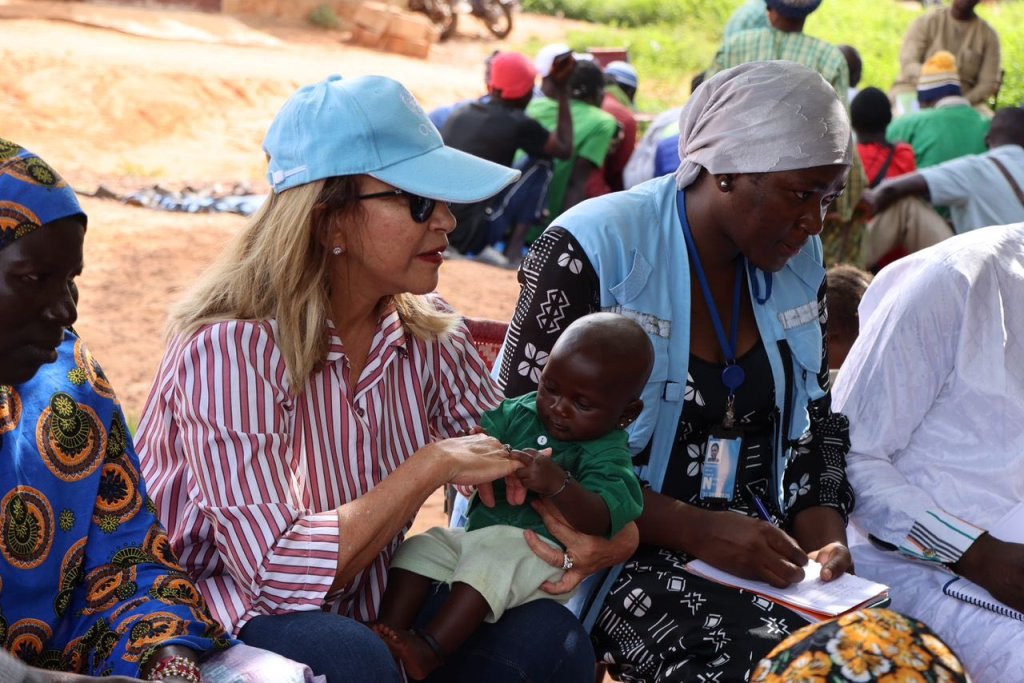
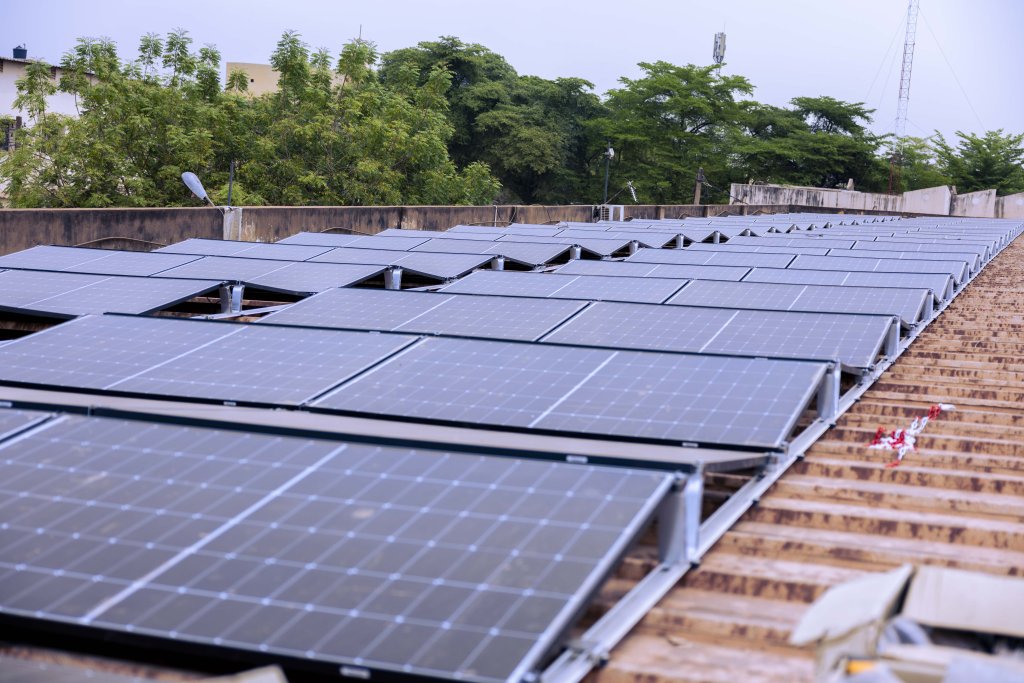
At the community health centre in Sikoro Sourakabougou, solar power now helps health workers keep essential services running, including emergency care and vaccine storage. The facility serves more than 17,000 people annually. For me, this captures why the Sustainable Development Goals matter: their promise is measured in lives improved and opportunities made possible.
But how can relatively small investments help deliver change on a much larger scale? In Mali, where insecurity, institutional transitions and constrained financing make progress especially demanding, this question guides our work with the Joint SDG Fund. Its resources cannot meet the country’s needs alone. They can, however, help remove barriers that prevent larger investments and lasting reforms from moving forward.
As Resident Coordinator, I have brought UN agencies and national partners together around Mali’s National Strategy for Emergence and Sustainable Development, as well as our Cooperation Framework for 2027-2031. My role is to help turn our different mandates and areas of expertise into a coherent contribution to national priorities.
The difference I want this leadership to make is practical: a UN system whose support is easier for national partners to coordinate, use and sustain. Lasting progress depends on developing solutions with the institutions that will sustain them. By aligning our combined expertise behind their priorities, we aim to make each targeted investment a catalyst for larger financing, stronger national systems and benefits that extend beyond the programme itself.
When renewable energy delivers for people
Mali’s Energy Transition Acceleration Programme, implemented by the UN Development Programme (UNDP), UN Office for Project Services (UNOPS) and UN Women and completed earlier this year, demonstrates what joint action can deliver. Beyond the health centre installation, 50 women from five groups benefited from technical and entrepreneurial support and solar-powered productive equipment.
National institutions can now monitor 15 solar mini-grids through a digital platform, while strengthened photovoltaic testing capacity supports better equipment standards. The programme brings together several elements needed for a lasting energy transition: equipment, skills, support for women’s economic activities and institutional capacity to monitor performance and assess quality.
These investments provide immediate benefits while strengthening the foundations for wider deployment. Monitoring systems and equipment standards can support investments beyond the programme; productive equipment can demonstrate how renewable energy supports women’s enterprises. Their wider value will depend on whether these approaches are maintained and replicated.
Making agricultural ambitions investable
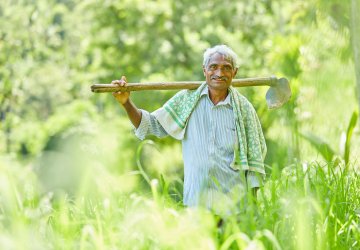
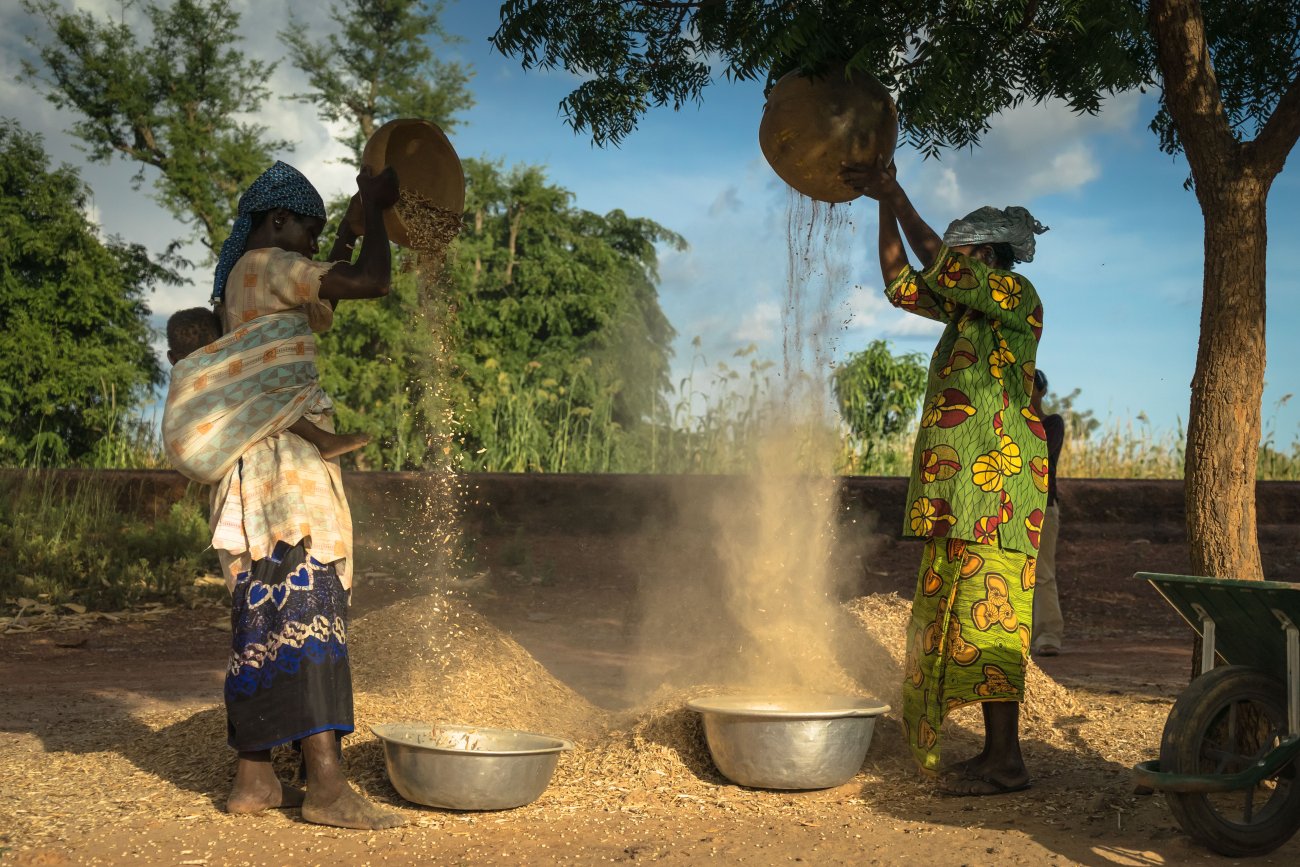
The Transformative Food Systems Accelerator Programme, implemented by the Food and Agriculture Organization (FAO) and World Food Programme (WFP), addresses a critical bottleneck: Mali’s planned agricultural growth poles, or agropoles, need credible studies before major investors can act. A national ambition, however compelling, is not yet an investment proposal.
The programme supports feasibility studies for Kayes, Sikasso-Bougouni and the lake zones of Timbuktu, alongside a targeted value chain analysis in Koulikoro. This complements existing investments by the African Development Bank and International Fund for Agricultural Development (IFAD).
Here, the potential for change lies in preparation: modest funding can help turn national priorities into proposals that development banks, private investors and diaspora partners can assess. It also supports a shared understanding among institutions whose differing interpretations of agropoles can slow implementation.
My office has worked with agencies and national counterparts to support Government-led dialogue and coordination. For me, this is an essential part of the Resident Coordinator’s role: helping partners build a common understanding of what needs to move forward, while keeping national institutions in the lead.
Bringing producers and local authorities into planning should help connect future investments to local livelihoods. Financing is not yet secured, but these foundations are essential if agricultural ambitions are to become viable opportunities.
Bringing investment closer to communities without electricity
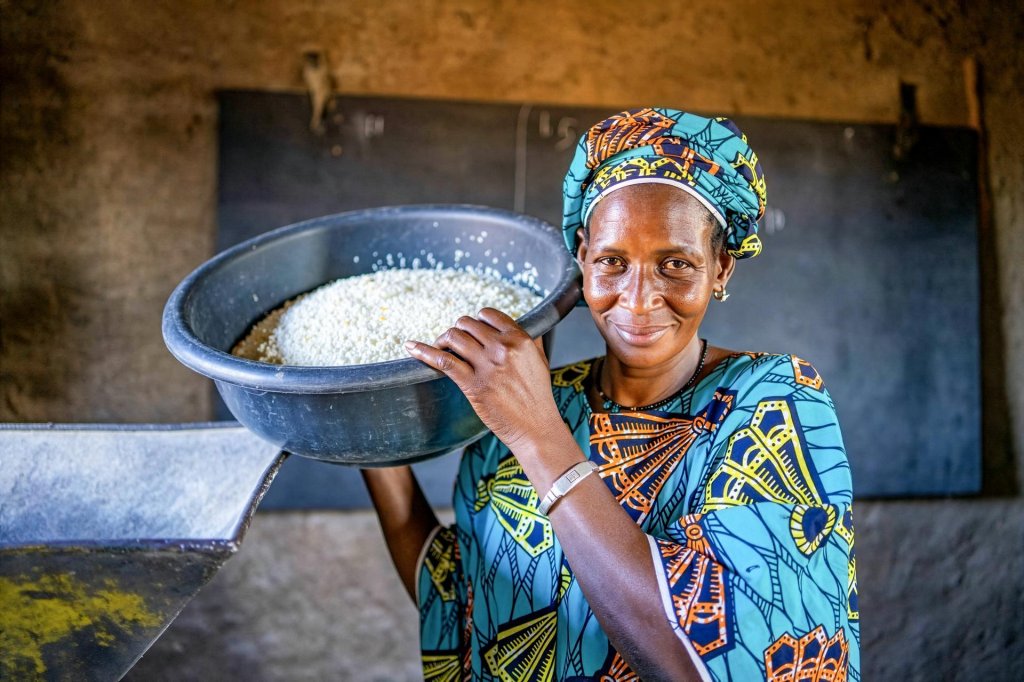
The complementary Food Systems and Energy Transition Acceleration Programme, implemented by UNDP and the UN Capital Development Fund (UNCDF), aims to connect renewable power with irrigation, cold storage, processing and small enterprises.
Together with Mali’s rural electrification agency, a preliminary list of 100 communities without electricity has been prepared for Government validation. Feasibility studies would help translate identified needs into projects that can attract investment.
The proposed Mali Food Systems and Energy Transformation Investment Facility would explore combining public, climate, private and diaspora capital. It has not yet mobilised this financing. Its promise is to use targeted preparation and UN expertise to help larger resources reach communities where electricity could unlock wider economic activity.
The ambition is to connect access to power with opportunities to earn a living: enabling farmers to irrigate, producers to preserve and process food, and small businesses to develop.
Investing in teachers, investing in Mali’s future
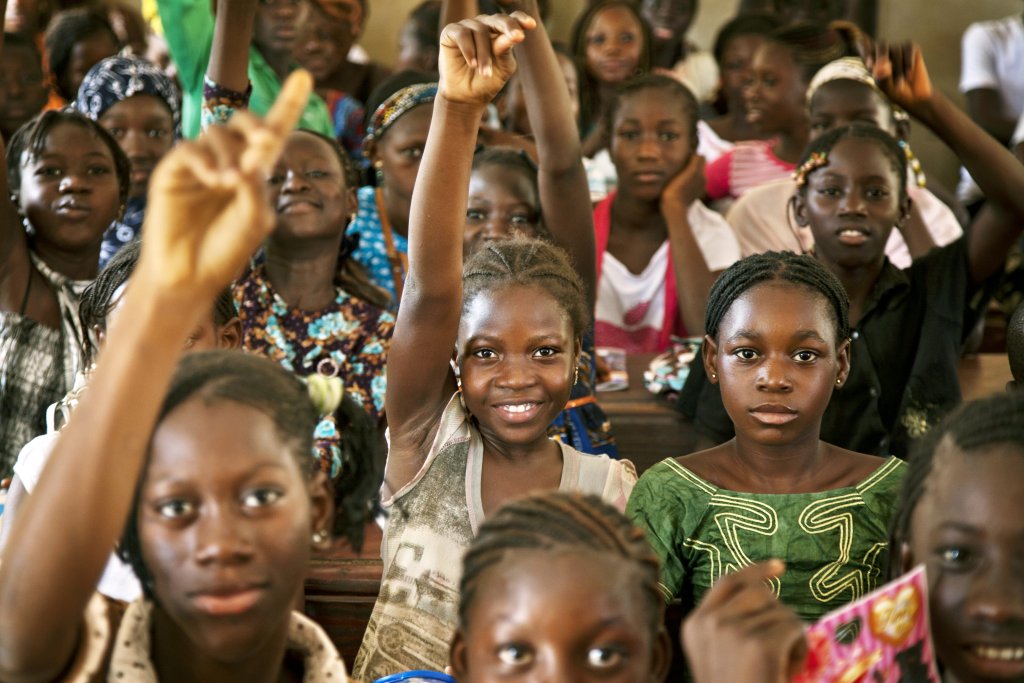
A visit to UN Children's Fund (UNICEF)-supported schools in Sikasso reinforced my conviction that gains in lasting learning require stronger national systems and sustained investment. For me, the question is how the support we provide today can strengthen the national systems that teachers and children will rely on tomorrow.
That is the ambition of the new Crisis-Responsive Education Programme, under Ministry of National Education leadership with support from UNICEF and the UN Educational, Scientific and Cultural Organization (UNESCO). By the end of 2027, it aims to equip 2,200 public school teachers and trainers with innovative, gender-responsive and digitally enabled teaching approaches, potentially benefiting 110,000 children.
Its $660,000 allocation is designed to test coaching, continuous professional development and quality assurance approaches. Aligned with PRODEC II, an education development programme, and the national Partnership Compact, the evidence generated could inform the Government-led, approximately $38 million Global Partnership for Education investment. The catalytic opportunity lies in helping national decision-makers identify approaches that work and use that evidence to guide a much larger investment in teaching quality.
The real measure of partnership
These programmes are at different stages. One has delivered visible results; others are preparing investments and testing approaches. We must distinguish achievements from aspirations.
Their shared purpose is to make limited resources work harder: helping unlock financing, strengthening national systems and building partnerships that endure. My responsibility is to keep our collective effort focused on those outcomes, with national partners shaping the direction and the UN bringing its expertise together to support them. For me, success will mean that today’s targeted investments open the way to reliable public services, stronger livelihoods and better learning opportunities for the people of Mali.
Note:
All Joint SDG Fund programmes are led by UN Resident Coordinators and implemented by agencies, funds and programmes of the United Nations development system. The Joint SDG Fund gratefully acknowledges contributions from the European Union and the Governments of Belgium, Denmark, Germany, Ireland, Italy, Luxembourg, Monaco, the Kingdom of the Netherlands, Norway, Poland, Portugal, the Republic of Korea, the Kingdom of Saudi Arabia, Spain, Sweden, Switzerland and the Arab Gulf Programme for Development.
This blog was originally published by the Joint SDG Fund. Please visit the UN team's website for more information about the UN's work in Mali.


Latest news and updates