Serbia: Making Digital Public Services Work for the People Who Use Them

Matilde Mordt, UN Resident Coordinator in Serbia, explores how a Joint SDG Fund programme is supporting the Government in making public services more accessible, inclusive and responsive to people’s needs
For someone trying to access a public service online, the decisive moment can be a small one: understanding an instruction, finding the right option, or knowing what to do when something goes wrong. These details determine whether people can complete an application or access the support they need.
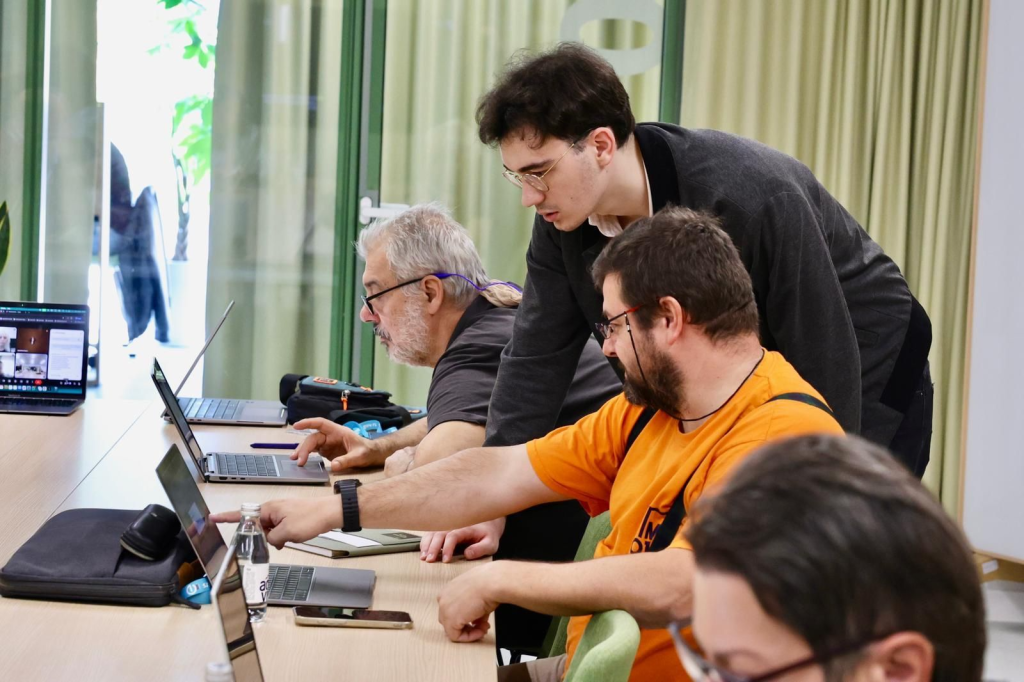
In Serbia, more than 200 citizens have taken part in research, prototyping and usability testing through the Digital Service Design Hub: Clicking Together with Citizens programme. Their participation is helping public institutions understand where people encounter difficulties and improve services across social welfare, agriculture and eGovernment.
Supported by the Joint SDG Fund, the programme brings the UN Development Programme (UNDP), UN Children's Fund (UNICEF), Food and Agriculture Organization (FAO) and International Telecommunication Union (ITU), working closely with Serbia’s Office for IT and eGovernment and other national institutions. It addresses a practical question with implications well beyond technology: how can public services better reflect the lives of the people who use them?
Bringing different expertise to a shared task
As Resident Coordinator, I see an important part of my role as helping the UN system bring its expertise together around priorities that national partners can take forward. Outreach and dialogue with other development partners is also important. Digital public services require this kind of cooperation. They involve public administration, technical standards, accessibility and an understanding of people’s circumstances.
Each participating agency contributes a different perspective. UNDP brings expertise in digital transformation and public administration reform. UNICEF supports the development of an AI-enabled social welfare assistant, with particular attention to inclusion and vulnerable groups. FAO supports the redesign of the eAgriculture platform, bringing farmers’ and rural communities’ needs into the process. ITU contributes international expertise and standards for inclusive digital transformation.
Working together allows us to connect these perspectives. Lessons from testing one service can inform another. Questions about accessibility can be addressed alongside administrative procedures. National partners can draw on the UN’s combined expertise as they develop solutions.
The value of coordination lies in making that cooperation useful: connecting the right expertise, maintaining a shared purpose and keeping attention on what institutions need to sustain the work.
Building the capacity to keep improving
More than 150 civil servants have strengthened practical skills in product management, user research, accessibility and service improvement through direct involvement in redesigning services.
This matters because digital services need continued attention. People’s needs change, procedures evolve and problems often become visible only when a service is used. Institutions need the capacity to listen, test and make improvements themselves.
A permanent User Experience (UX) Team has now been established within the Office for IT and eGovernment. The eGovernment Design System has also been formally mandated for all new services developed by the Office, providing a common basis for more consistent, accessible and usable Government portals.
These are significant steps towards making people-centred design part of everyday institutional practice. A dedicated UX Lab is also planned, where citizens will be able to test new digital services before they are introduced.
For me, this is where the catalytic value of the Joint SDG Fund becomes most tangible. Its support is helping establish new skills, teams and standards that can influence services beyond those directly covered by the programme. Government ownership ensures that these investments last beyond the funding period.
Listening as part of public service
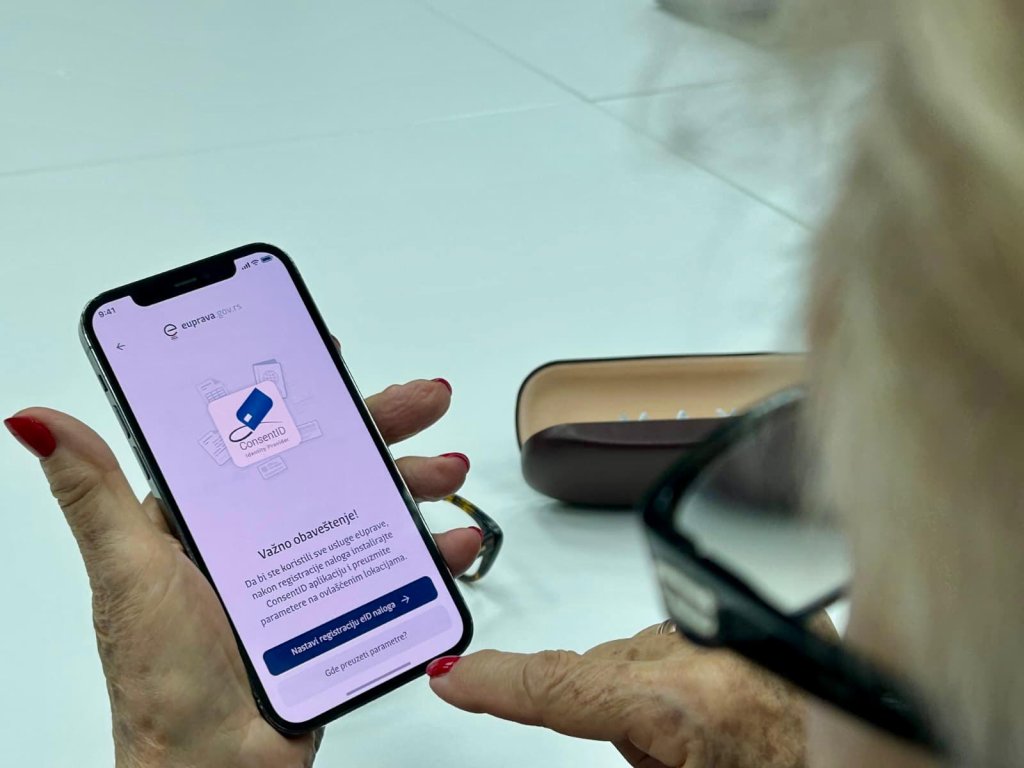
Testing with older citizens, for example, helps institutions examine how services function for people whose experiences and needs may differ from those of the teams designing them.
Such engagement provides practical evidence for decisions. It can reveal an unclear instruction, a difficult registration process or a step that assumes knowledge a user may not have. Addressing these problems can make a meaningful difference to someone seeking information, completing an application or accessing a public entitlement.
The programme is also supporting the integration of people-centred design principles into Serbia’s broader legal and policy framework. The ambition is to make user research, testing and feedback a regular part of how public services are developed.
Our responsibility as the UN is to support national partners in turning that ambition into a durable practice. In Serbia, this means combining our expertise, supporting institutional capacity and ensuring citizens have a place in the design process. The measure of progress will be whether more people can use public services with confidence and greater ease.
Please visit the UN team's website for more information about the UN's work in Serbia.


Latest news and updates