Bridging Access to Healthcare in Kyrgyzstan
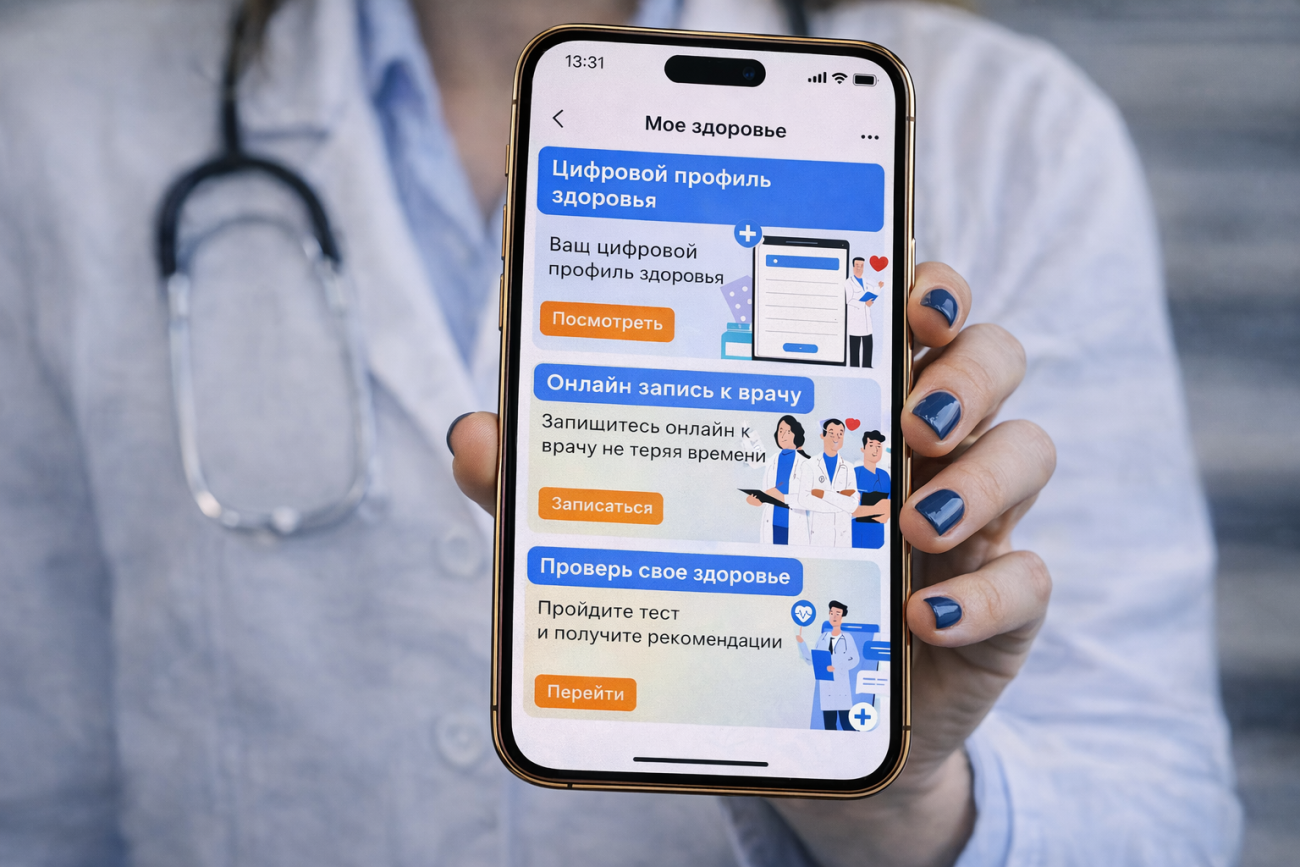
This story was published in observance of World Health Day, celebrated on 7 April. This year's theme, "Together for health. Stand with science," is a reminder that collaboration can accelerate sustainable development, as shown by a UN Joint Programme in Kyrgyzstan. Rural communities can access health services through digital tools that were developed when UN agencies worked with national and local partners to pool their expertise towards a healthcare system that leaves no one behind.
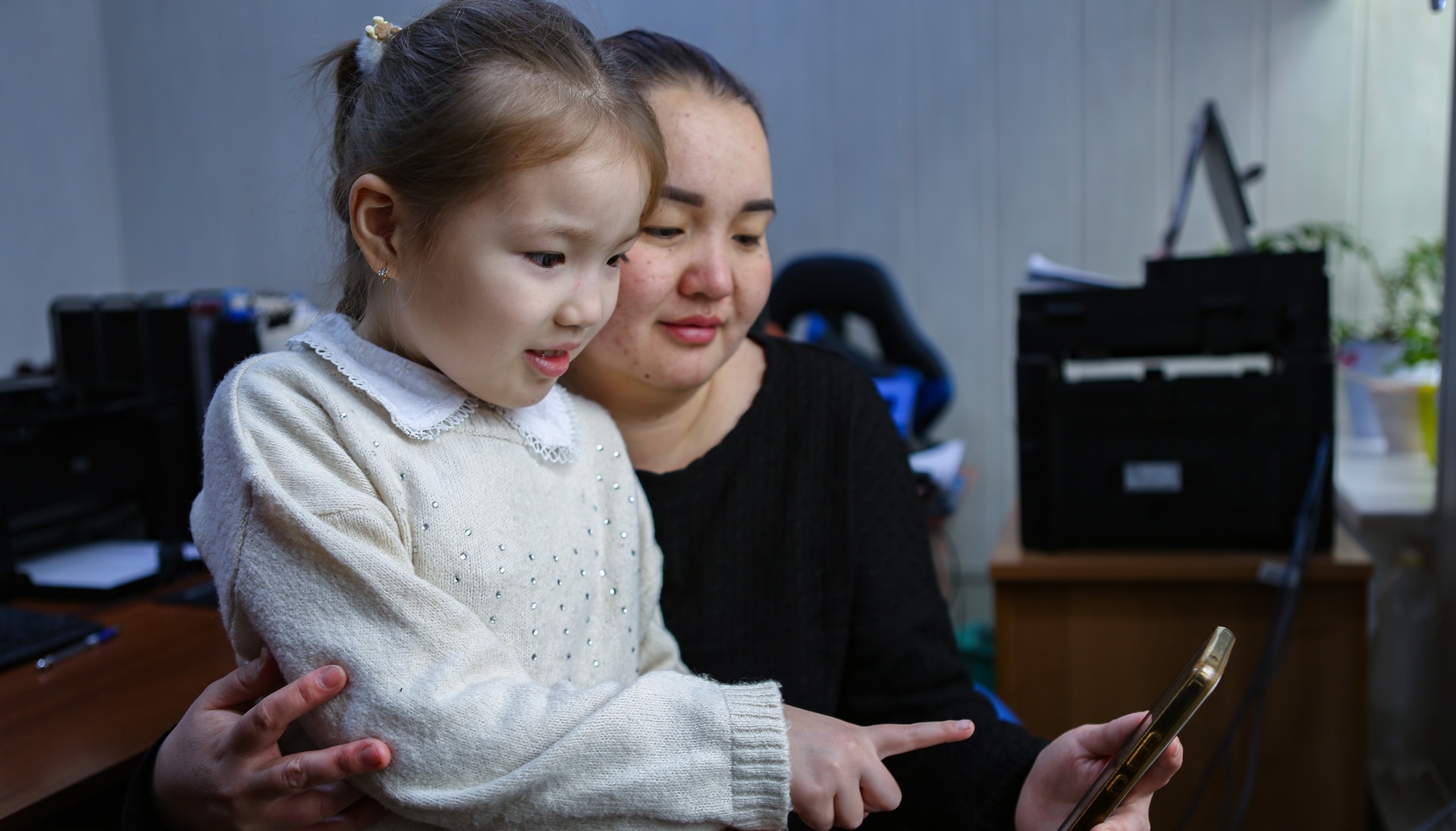
Today, Nuria Ziyadinova’s home is quiet. Sofia, her newborn, sleeps peacefully in her cradle. For many this is an ordinary scene. But it’s a precious moment of calm for Nuria after much worry.
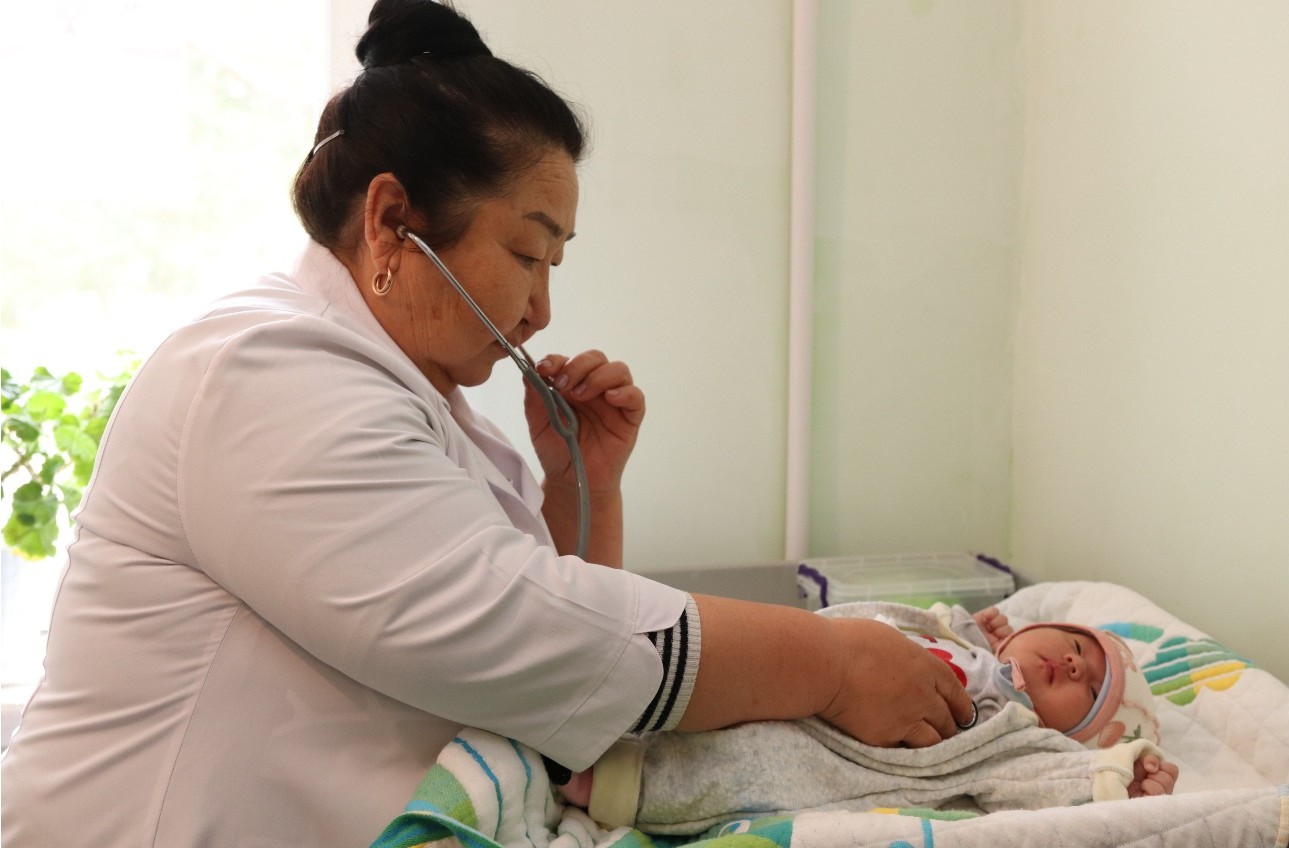
Just weeks ago, a family doctor diagnosed Sofia with prolonged jaundice during a routine visit to the family’s home in Suzak. Thanks to the introduction of telemed.kg, a UN-supported telemedicine platform, Sofia’s parents didn’t have to travel hundreds of kilometres to the city for a more qualified consultation.
Instead, their doctor arranged a remote appointment with a neonatologist from Bishkek, who confirmed the diagnosis and adjusted Sofia’s treatment.
The convenience of the programme turned out to be especially valuable for Nuria. “When I was informed about the possibility of receiving consultations and diagnoses without having to travel to the city, I immediately agreed,” she says. “There was no need to go anywhere, which was very nice, especially with an infant.”
Sofia’s condition stabilised after the timely intervention and she is now recovering in the comfort of her home.
New pathways to healthcare
Long commutes, a lack of specialists and unreliable medication supplies hinder rural communities in Kyrgyzstan’s serene but rugged mountains from receiving healthcare. But just as technology has transformed education and employment, medicine is also evolving with modern solutions to old problems.
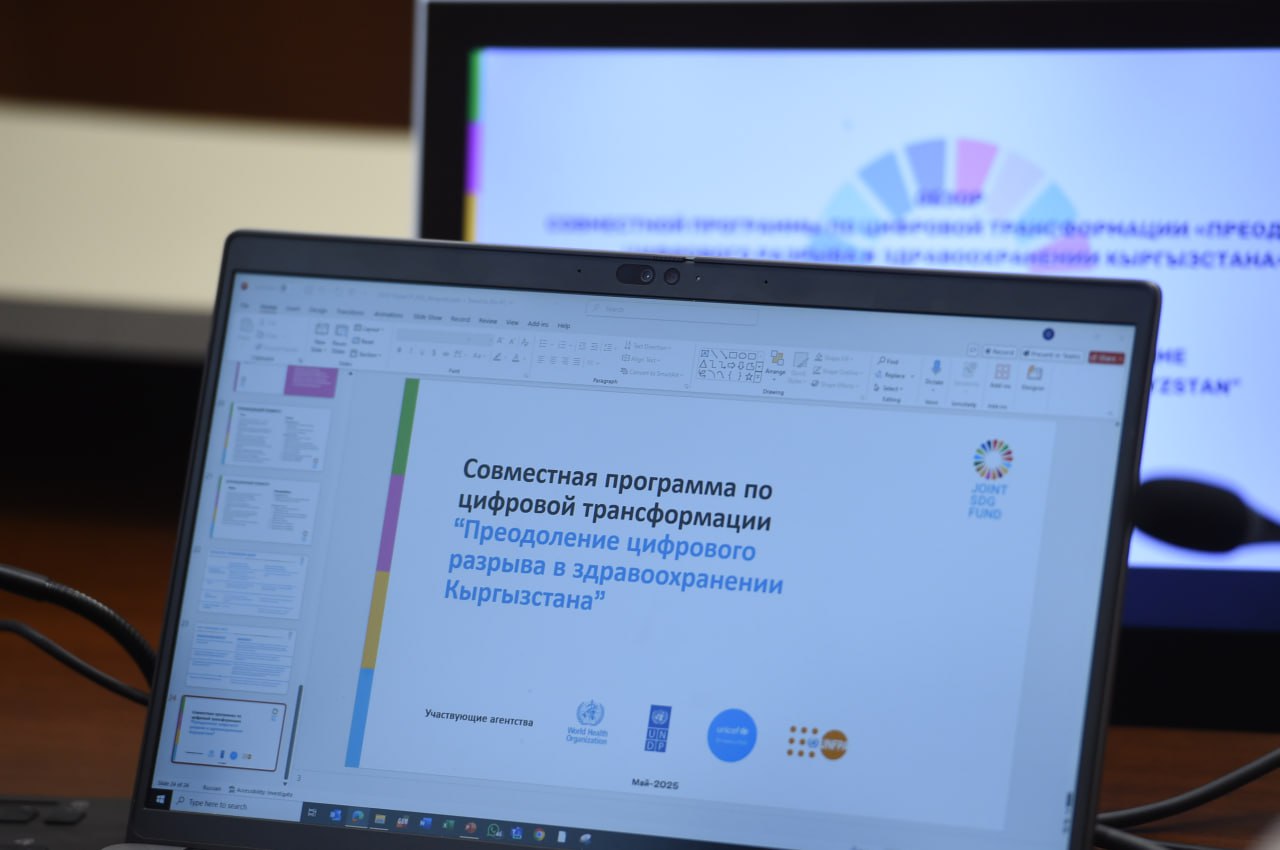
Where physical bridges aren’t feasible, the UN Joint Programme “Bridging the Digital Health Divide” strives to fill service gaps for families like Nuria’s. Under the guidance of the UN Resident Coordinator’s Office since 2024, the programme is implemented by the World Health Organization (WHO), UN Children’s Fund (UNICEF), UN Development Programme (UNDP) and UN Population Fund (UNFPA), with financing from the Joint SDG Fund, the European Union and the Governments of 16 Member States, including Spain and Sweden. The programme supports Kyrgyzstan’s transition from scattered virtual platforms to a coordinated, Government-led digital health system featuring platforms that are seamlessly integrated with each other.
Antje Grawe, UN Resident Coordinator in Kyrgyzstan, explains that “the digital divide limits opportunities for billions of people. Bridging this divide is not only economically necessary, but also a moral and humanitarian imperative. We must join forces to build bridges and ensure that technology serves the benefit of all.”
A team effort for long-term results
Rising to this call for a joint approach, the UN agencies are pooling their expertise to maximise impact.
WHO provides guidance and recommendations on policies, such as the Legal Framework and Sustainability Roadmap for Telemedicine, ensuring they align with national priorities. Moving from overarching policies to in-the-field tools, WHO also supports with improving the country’s health systems by verifying that they work smoothly together instead of operating separately. This integration enhances immunisation and disease surveillance systems, as well as patients’ access to their health data.
Alongside WHO’s efforts, UNICEF also focuses on health systems by supporting the expansion of telemed.kg to paediatric services, as well as raising awareness about telemedicine.
Elmira Ibragimova, a neonatologist in Osh, notes that the telemed.kg platform effectively boosts childcare knowledge for both mothers and primary healthcare workers.
“In my practice, I encounter several conditions that can be managed at different levels. For cases requiring urgent intervention, I request immediate referral to our clinic. The number of consultation requests for neonatal jaundice has significantly decreased, mainly from remote areas, as family doctors have gained experience in managing mild cases,” says Dr. Ibragimova.
To ensure these systems meet their full potential, UNFPA developed a monitoring and evaluation framework for virtual platforms. In tandem with UNICEF’s work on child health, UNFPA also expands telemedicine to maternity hospitals and improves electronic health records for pregnant women and newborns.
As a communications technology specialist, UNDP supports telemedicine systems in making healthcare more convenient by enabling access to digital disability certificates, lab services and sick leave notes.
Working together, UNDP, UNICEF and WHO have developed training programmes to increase literacy in digital solutions and promote the provision of telemedicine services for healthcare providers, IT specialists and decision-makers at different levels.
By walking in step towards a common goal, the UN and partners are bridging divides and breaking down the walls that block vulnerable communities from their right to healthcare.
Real change in homes and health facilities
This collective effort has made a difference. Nationally, the Government is committed to meaningful change by building stronger laws and policies that support virtual health reforms. The adoption of the Digital Code in July 2025 created a coordinated approach to digital governance. More specific policies, including the Regulation on the Unified Digital Health Ecosystem and the Digital Health Strategy 2025-2027, translated this vision into practical standards, clear technical requirements and concrete steps for implementation.
Institutional reforms made the national technical operator, OJSC “Tunduk,” responsible for managing virtual health systems, which has improved their integration with one another.
The impact of these reforms is visible in homes and health facilities. Digital sick leave, e-referrals and digital disability certifications are now routine practices. Over 50,000 annual disability certification applicants now have access to better processing efficiency and service quality, reducing the administrative burdens they face.
All Medical and Social Expert Commission institutions in Kyrgyzstan now have fully digital workflows, including remote disability assessments. Thousands of cases — almost the entire national disability caseload — have been handled virtually.
Clicking towards a sustainable future
This programme shows how working together can create a healthier, more sustainable world where patients do not need much patience to get the care they need — a world where a farmer in Jyrgalan and a student in Bishkek both have the same medical access.
“Digital health is about leaving no one behind,” Resident Coordinator Grawe emphasises. “Our goal is to ensure that everyone has access to digital tools to deliver or receive quality healthcare services enabled by digital innovation.”
For families like Nuria’s, digitalisation offers more than convenience: it is peace of mind, knowing that even when experts are physically far, they are no more than a few clicks away.
Note:
All Joint Programmes of the Joint SDG Fund are led by UN Resident Coordinators and implemented by the agencies, funds and programmes of the United Nations development system. With sincere appreciation for the contributions from the European Union and Governments of Belgium, Denmark, Germany, Ireland, Italy, Luxembourg, Monaco, the Netherlands, Norway, Poland, Portugal, the Republic of Korea, the Kingdom of Saudi Arabia, Spain, Sweden and Switzerland for a transformative movement towards achieving the SDGs by 2030.
Please visit the UN team's website for more information about the UN's work in Kyrgyzstan.