From a Pilot to Meaningful Change: How Turkmenistan is Reforming Social Services
For many years, Turkmenistan’s social services system was limited in scope, centred on institutional services in education and healthcare mainly in cities, with home-based support reserved for older people and persons with disabilities. But the country envisioned more: a community-based approach, starting with various pilot programmes that would eventually lead to long-term services across Turkmenistan.
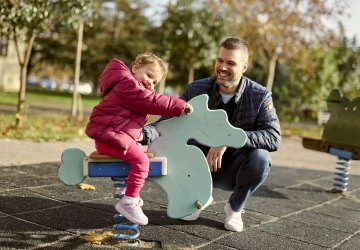
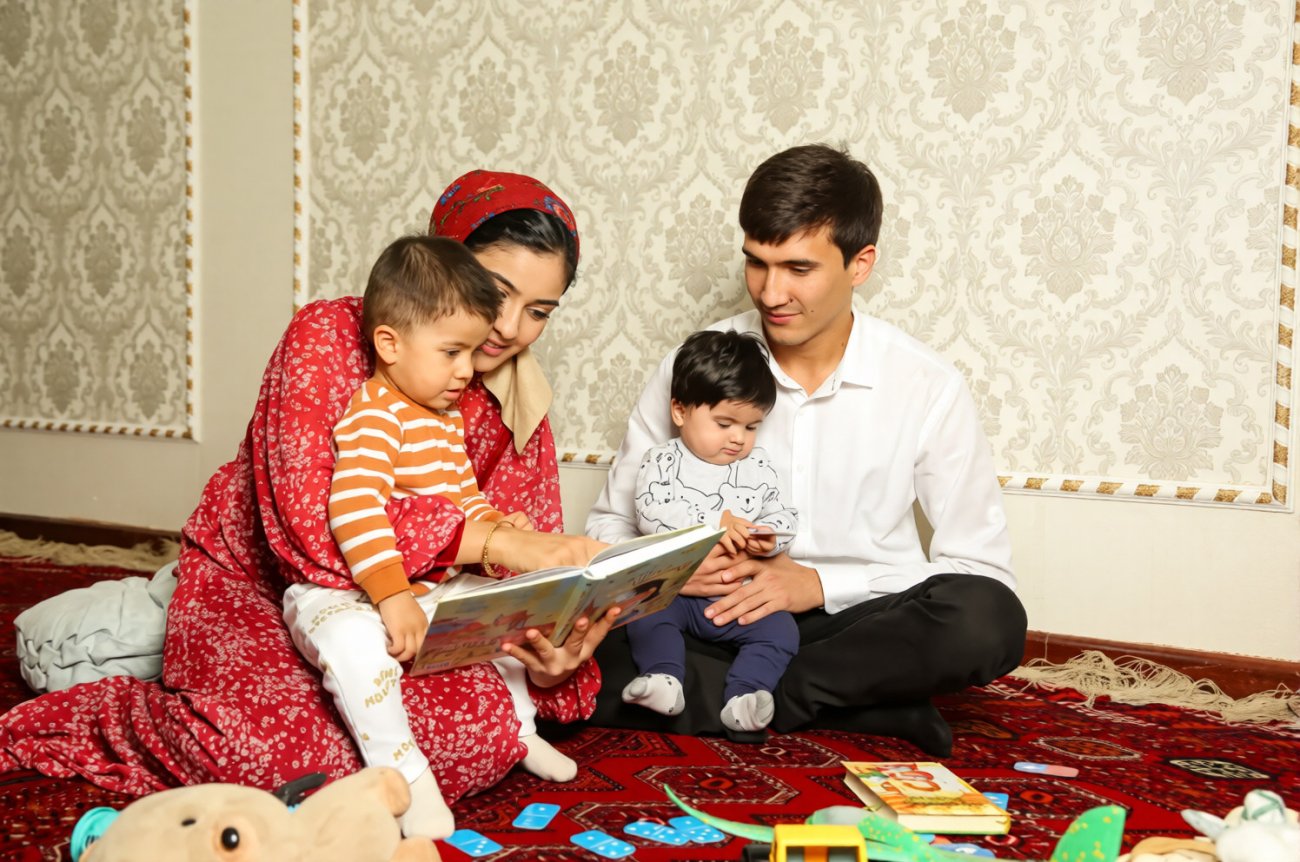
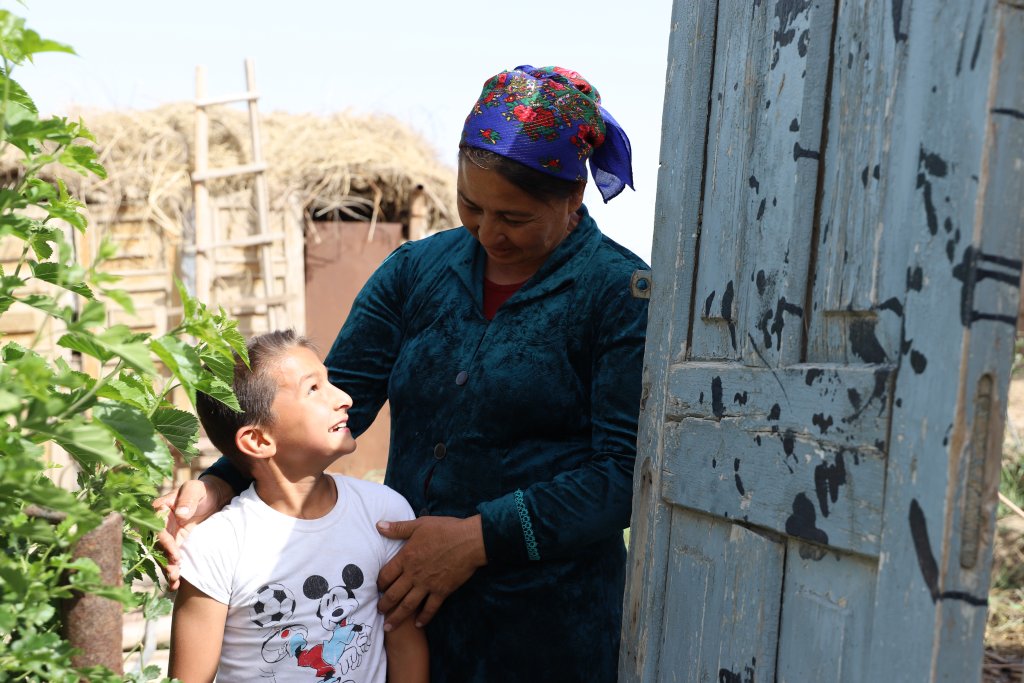
As the single mother of a toddler with cerebral palsy, Merjen did not know where she could find support for her son, Batyr, who was unable to walk, talk or sit down. Without clear guidance or resources nearby, the family had come to accept his disability as something that could not change.
The tide turned when a friend referred Merjen to a social work specialist newly deployed to their town. Instead of going to a hospital in a bigger city, Batyr underwent a rehabilitation initiative that was being tested right in his community.
Just seven months later, Batyr started walking and talking. Within a year, he attended preschool. Merjen and Batyr already had a different future within reach. The support they received simply helped unlock it.
Their story is one of many amid Turkmenistan’s shift towards a stronger, more inclusive social services model. Between 2020 and 2022, the country worked with the UN through a Joint SDG Fund programme to reform who receives support, how they receive it, where it is available and what is offered.
- Over the past five years, community-level access to social services has expanded from zero to 36 districts by 2025. The social service workforce is expected to cover all 56 districts by 2027, signaling a pivot from an institutional model.
- A Law on Social Services was adopted in 2021 to broaden the scope of social services.
- In 2026, the social services workforce is being further professionalised through training for 130 university students.
“Effective social work enables the early identification of vulnerable families and improves access for children, persons with disabilities, older persons, women and other vulnerable groups,” says Ms. Xiaojun Grace Wang, the UN Resident Coordinator in Turkmenistan.
What progress is reaching communities?
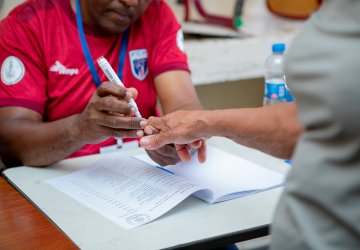
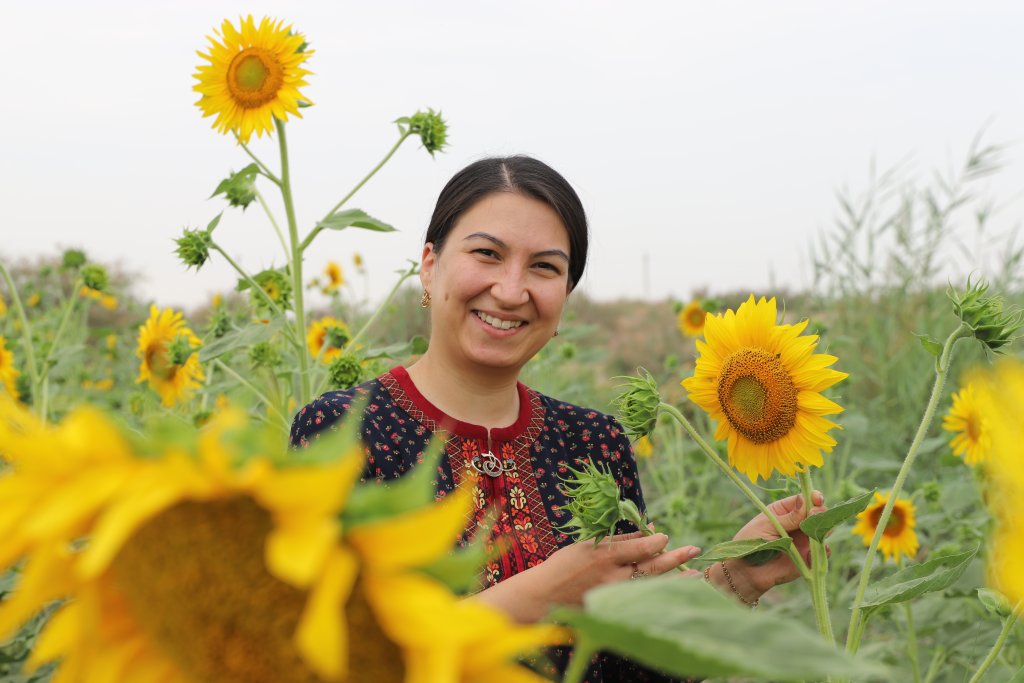
Through the joint programme, 45 social work specialists in 20 districts assessed the needs of more than 4,000 people to introduce new and improved services. While the programme has ended, the pilot initiatives developed through these assessments are still reaching communities, including:
- Family and child services, including support for parents of children with disabilities.
- Reintegration services, including education and employment assistance, for young people leaving institutions such as orphanages and rehabilitation centres.
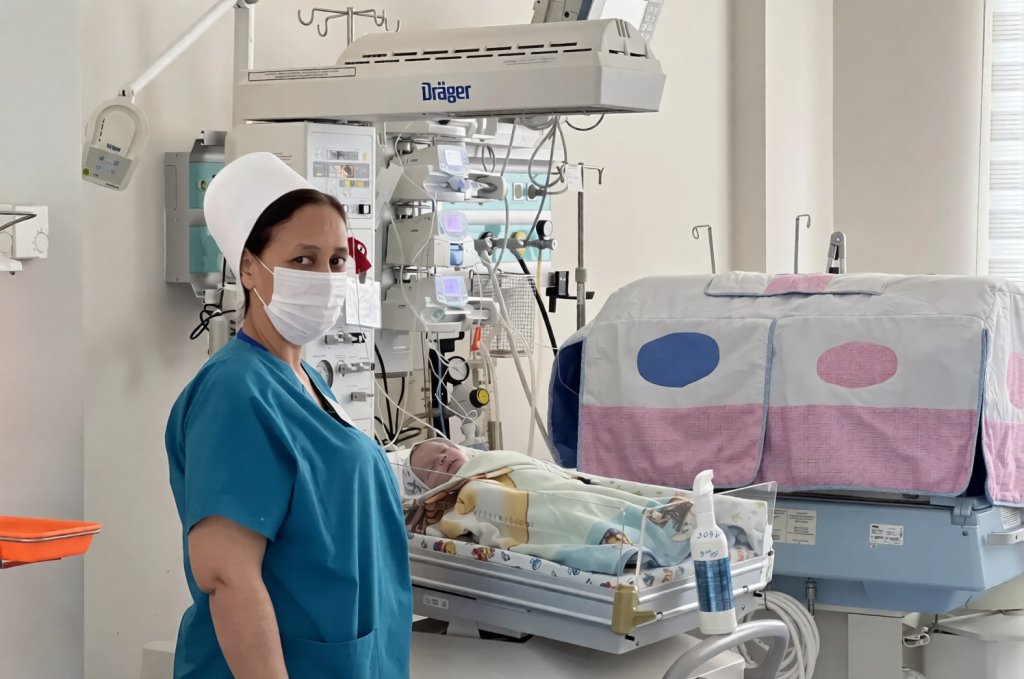
- Reintegration services for babies from baby homes.
- Support for women exposed to gender-based violence and women experiencing unintended pregnancy, such as a hotline and counseling.
The Government leads these initiatives with inputs from the UN and local partners. Importantly, the social services reform contributed to a broader discussion on the efficiency, equity and quality of social spending.
This helped unlock concrete budget decisions that look beyond individual pilot programmes. For example, the Government approved psychosocial support professionals in every region, a pediatrician position in every local medical clinic and the rollout of 65 half-day preparatory groups across 55 schools in remote rural areas without kindergartens.
For children like Batyr, this means resources closer to home so their families can access services before opportunities are missed.
How did coordination streamline these results?
Under the oversight of the UN Resident Coordinator, the UN Children’s Fund (UNICEF), UN Population Fund (UNFPA), UN Development Programme (UNDP) and UN Office on Drugs and Crime (UNODC) implemented the Joint SDG Fund programme. Each UN agency contributed its respective expertise to amplify impact, moving as one to reach many more people.
UNICEF was the lead on planning, assessing and supporting implementation of the programme. It contributed to the development of university programmes for social work and competency-based certification, and worked with UNDP to develop professional standards and practices.
UNICEF then leveraged these practices to provide over 110 days of training for more than 300 new and existing social work-related practitioners, including managers and employees at Government and non-government services.
UNODC also delivered its own training designed to support persons who have substance use disorders, youth at risk of substance use, youth in contact with the law and their families. Furthermore, UNODC contributed to operational procedures and a review of legislation and regulations, which in turn influenced the design and piloting of services for these groups.
Where UNODC addressed vulnerable youth and families, UNFPA focused on women and girls. It ensured that standard practices on responding to gender-based violence and protecting reproductive health were introduced into new social services.
These trainings and standard practices laid the groundwork for the pilots that would be launched across the country. Against this backdrop, the UN Resident Coordinator’s Office worked with the agencies in holding a policy dialogue that would help scale the services. The Government and the UN addressed complex policy questions, including workforce expansion, minimum coverage and the transition from piloted programmes to a nation-wide system.
“Each agency brings its own knowledge, evidence and perspective to the table,” says Ms. Grace Wang. “My Office then weaves these strengths into a single, coherent vision that aligns behind Government leadership and turns shared ambition into lasting change.”
How was this new system designed to endure?
UNICEF worked with the Government to include social services reform in the state budget, turning pilot initiatives into a nationally-funded model. UNFPA reviewed Turkmenistan's legislation, identifying gaps and recommending reforms to anchor the emerging system within a lasting legal framework. UNDP contributed to the professional training and certification of the first cohort of social service specialists recruited under the programme.
These efforts helped pave the way for a defining moment: the landmark adoption of the Law on Social Services in 2021. More than a legal milestone, it marks the formal recognition of social work as a profession in Turkmenistan. This will expand the scope of social services, strengthen access for people facing a wider range of vulnerabilities and create meaningful change for communities. Following the joint programme, UNICEF carried the momentum forward by supporting bylaws and regulations to accompany the Law.
Together, these changes did more than create a new profession. They gave the reform the foundations it needed to last: a legal mandate, public financing and a trained workforce making the piloted community services a recognised part of Turkmenistan’s social protection system.
A new tomorrow
Today, Merjen is relieved that Batyr is making friends at school and excelling academically. It is a change that reflects more than one family's journey. The most important outcome is not any single policy decision or budget disbursement.
As Turkmenistan continues expanding community social services nationwide, thousands more children like Batyr will have the chance not only to survive, but to learn, belong and thrive.
Please visit the UN team's website for more information about the UN's work in Turkmenistan.





Latest news and updates