Turning the Tide: How Small Island Developing States can Attract the Investment They Need
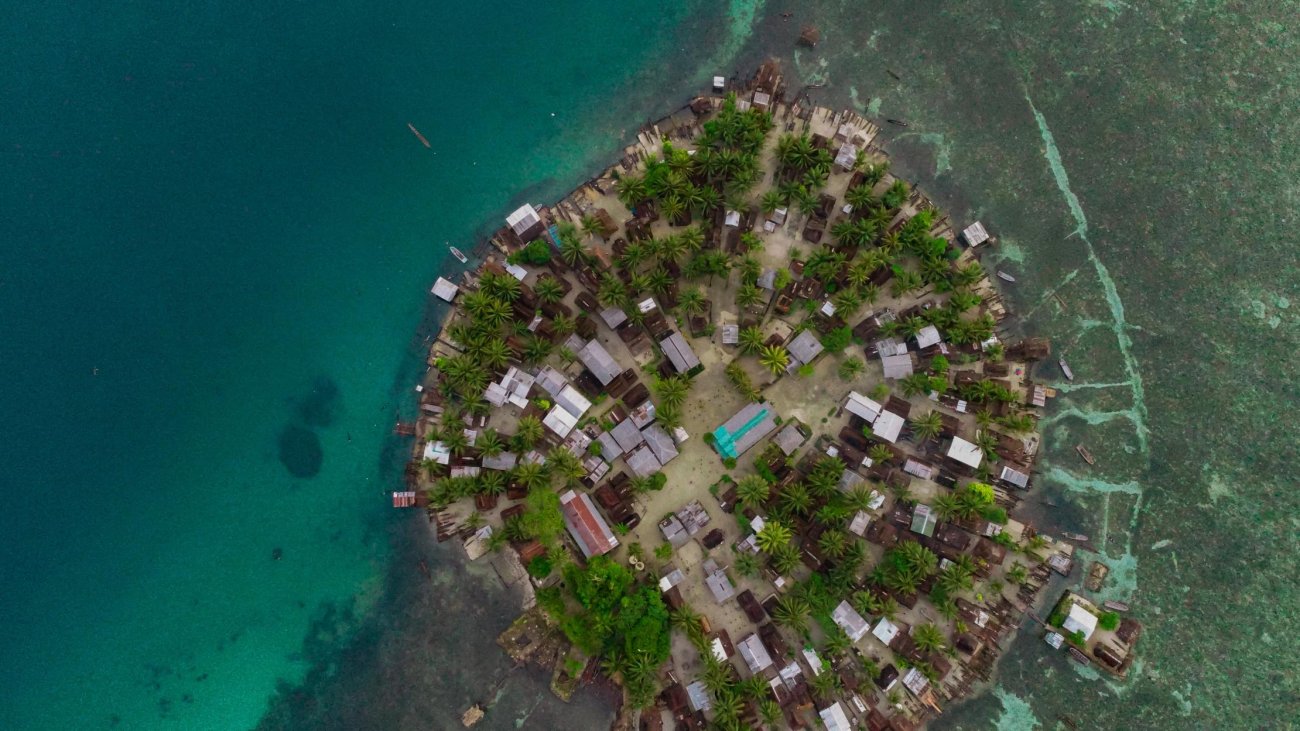
Following the SIDS Global Business Network Forum and the Island Investment Forum in the Maldives, UN Resident Coordinator for the Maldives Hao Zhang and DCO Sustainable Development Officer Arun Jacob explore why global investors still overlook small island developing states, and how the UN is helping change this approach.
Small island developing states (SIDS) are on the front line of the climate crisis. They need investment to adapt, grow and create jobs for their people. Yet when it comes to attracting global capital, they are almost off the map.
In 2025, SIDS received just 0.6 per cent of global foreign direct investment (FDI) flows. Even this thin slice was heavily concentrated: a single country accounted for nearly half, leaving most SIDS with little or no access to the investment capital they need to grow.
This paradox lies at the heart of the SIDS investment story. These are economies rich in ocean resources, biodiversity, and human ingenuity, yet they remain largely invisible to global investors.
Why do Small Island Developing States struggle to attract investment?
SIDS face a unique combination of structural vulnerabilities that discourage large-scale, especially foreign, investment:
- Climate risk that raises the cost of insurance and capital and poses persistent risk to investments, including from extreme-weather patterns and sea-level rise
- Smallness of scale, which means small markets and costs, compared to the size of each investment
- Remote locations, which drive up transportation and logistics costs
- High debt and limited access to credit, which leaves little room for new investment
Prime Minister Mia Mottley of Barbados captured the problem in a single line: "When a sector or a country or a region becomes uninsurable, they effectively become uninvestable". When climate and other related risks cannot be priced or insured, capital simply stays away, regardless of the underlying opportunity.
But these challenges, however severe, are not insurmountable. With the right leadership, financial innovation, and partner commitment, they can be addressed systematically.
Reframing risk: Why resilience should be built into every investment
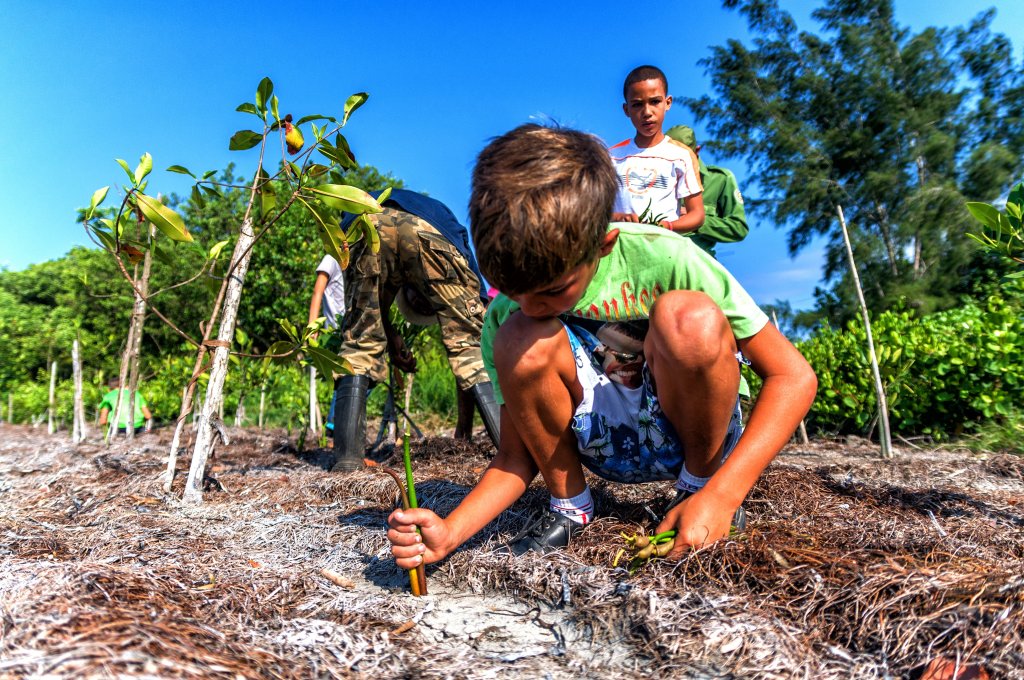
The path forward starts with building protection against climate shocks and other risks into every investment made in SIDS, rather than treating it as an afterthought.
New tools are helping make this possible. The Multidimensional Vulnerability Index (MVI) offers a fuller picture of how exposed countries are to shocks, and how well they can recover. This matters because many SIDS are classed as middle-or high-income, which has shut them out of low-cost (concessional) loans and grants, despite their vulnerability. Using MVI as a complement to income-based criteria in the allocation decisions of multilateral development banks, bilateral providers, and climate funds would begin to close the gap between vulnerability and access to affordable capital.
Where are the investment opportunities in SIDS?
The Antigua and Barbuda Agenda for SIDS (ABAS) recognises what many investors have yet to notice: SIDS sit at the centre of some of the most promising investment frontiers of the coming decade.
Chief among them is the green-blue economy comprising sustainable tourism, marine resources, fisheries and aquaculture, ocean-based renewable energy, marine biotechnology, digital transformation, climate-resilient infrastructure and food security.
The discussions at the SIDS Global Business Network Forum and the Island Investment Forum held during 23-25 August in the Maldives reinforced that SIDS are not short of investment opportunities.
Investors showed particular interest in projects that deliver financial returns and measurable social and environmental benefits, especially where new financing tools can reduce risk and fill market gaps. Realising this potential, however, will require better-prepared projects and more active efforts to match promising ventures with investors.
In energy, the case is especially compelling: most SIDS still depend on imported fossil fuels for power generation and transport, and solar, wind and battery storage now offer a viable route to lower generation costs, smaller fuel-import bills and greater energy security, alongside emissions reductions.
The message was clear: the challenge is not a lack of opportunities in SIDS, but ensuring that viable projects are visible, investment-ready and supported by the policies and conditions needed to attract capital at scale.
How is the UN helping SIDS attract investment?
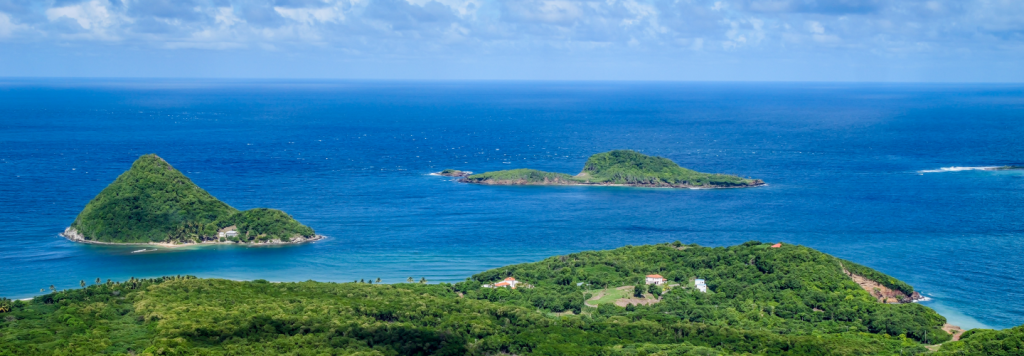
UN Resident Coordinators' Offices (RCOs) and UN Country Teams (UNCTs) are uniquely positioned to help translate this potential into real investment. Four areas stand out:
1. Bring partners together to make investments less risky. RCOs and UNCTs can convene those who design and structure such solutions — governments, IFIs and development finance institutions, private investors and UN entities with financing mandates — around nationally owned priorities. Only a handful of SIDS are rated investment-grade by global credit rating agencies.
In this context, blended finance is central; it pairs low-cost public funds with commercial finance, from home and abroad, so that a project's balance of risk and reward becomes acceptable to investors. Debt-for-nature swaps offer another powerful tool, converting debt service payments into dedicated financing for resilience and conservation rather than a recurring fiscal burden.
RCOs and UNCTs can also help countries navigate the climate finance architecture — connecting national designated authorities with accredited entities and supporting readiness and pipeline development for the Green Climate Fund (GCF), the Global Environment Facility (GEF), the Fund for responding to Loss and Damage, and the Adaptation Fund.
In these innovative financing approaches, Resident Coordinators (RC) can play a crucial role by bringing the right people to the table and drawing on the UN’s expertise. In Cabo Verde, the RCO helped establish Blu-X, the sustainable finance platform of the Cabo Verde Stock Exchange, with start-up financing from the Joint SDG Fund and advisory support from the UN Development Programme (UNDP). Through Blu-X, Cabo Verde has issued seven sustainable bonds, including blue, green and social bonds, raising more than 40 million euros for programmes that protect the ocean, cut emissions and support communities.
2. Build a pipeline of projects ready for investment. Investors need a steady flow of well-structured, investment-ready projects — not one-off proposals. Under RCO leadership in Barbados and the Eastern Caribbean, a curated portfolio of $320 million in investment-ready opportunities across the region's food systems was showcased at a high-level food systems investment forum — a model that can be replicated across other sectors and countries.
3. Align investment with the Sustainable Development Goals (SDGs). RCOs and UNCTs can help ensure that capital flowing into SIDS is genuinely aligned with the SDGs. Of particular relevance are promoting relevant sustainability and responsible-business standards, from the UN Guiding Principles on Business and Human Rights to SDG impact standards, and advising governments early so that national policies send clear, consistent signals to investors who want to make a positive difference. In the Maldives, with UN support, the Housing Development Corporation adopted an Environmental, Social and Governance (ESG) framework, supporting future access to sustainability-linked finance.
4. Advance South-South cooperation. RCOs and UNCTs can connect SIDS with one another and with larger developing economies, opening channels for South-South cooperation, knowledge exchange, and co-investment that diversify SIDS' pool of potential partners beyond traditional donors. The India-UN Development Partnership Fund invested $1 million in two impactful projects in 2025, supporting maternal and child health systems in 13 Caribbean countries.

What comes next for investment in Small Island Developing States?
The opportunities are there. The task now is to pair them with the tools that make investors say yes: ways to reduce risk, a steady supply of investment-ready projects, and blended finance that shares risk between public and private money.
The UN development system will be a dependable partner for SIDS at every step of this journey. Together we can finally make "uninvestable" a thing of the past.





Latest news and updates