From Wealth to Wellbeing: Mongolia's Next Development Chapter
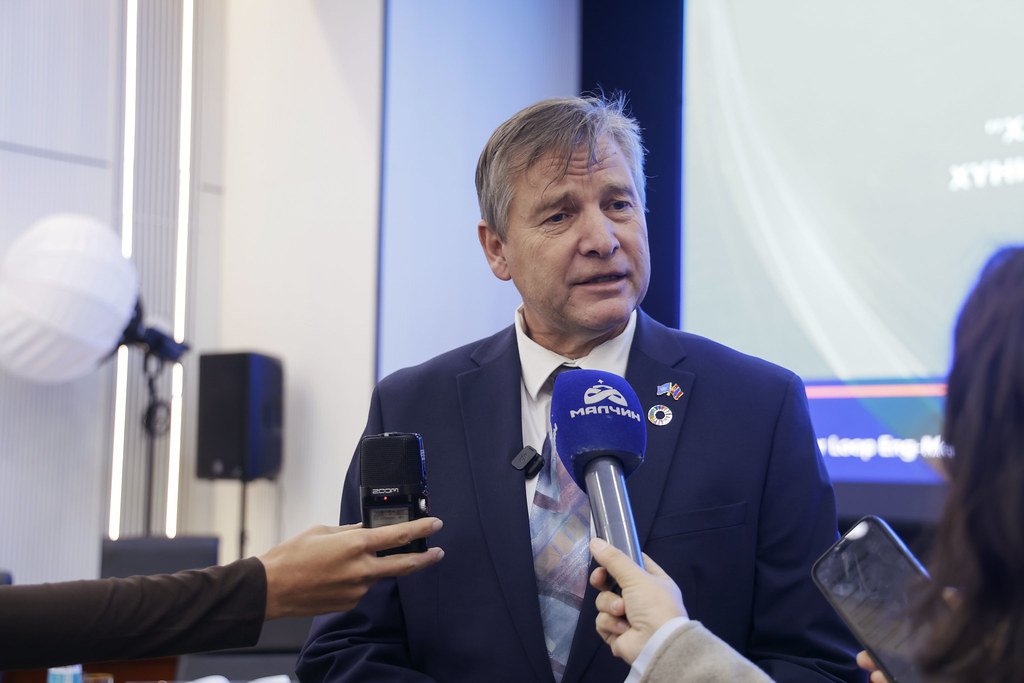
Jaap van Hierden, UN Resident Coordinator in Mongolia, explores how the country can ensure more people experience its impressive economic growth.
When people speak about Mongolia, they often point to its vast mineral wealth.
And rightly so. Mongolia's natural resources have helped drive economic growth, increase exports and elevate the country into upper-middle-income status. Yet another reality deserves equal attention.
Too many Mongolians remain excluded from the opportunities that growth has created. A quarter of Mongolia’s population continues to experience poverty. Development outcomes vary dramatically between urban and rural areas. Entire communities remain vulnerable to climate shocks, land degradation and limited access to quality services. These inequalities are also reflected in access to health, education and opportunities to reach one's full potential.
As the United Nations and the Government of Mongolia begin shaping the next United Nations Sustainable Development Cooperation Framework for 2028-2032, I believe the central question before us is this: how can Mongolia transform its mineral wealth, natural resources and human potential into shared prosperity that reaches every community?
Poverty reduction through dignified and secure livelihoods is the goal, but the challenge is more fundamentally about expanding more people's choices, in more places, for generations to come.
Creating opportunity beyond mining
That is why economic diversification must be at the heart of Mongolia's next development chapter. This diversification should also accelerate Mongolia's transition towards renewable energy and a greener, more resilient economy.
Mining will remain an important pillar of the economy, but it cannot create sufficient opportunities for all Mongolians, nor should the country's future prosperity depend entirely on swings in commodity prices. Mining revenues provide a unique opportunity to invest in sectors that can create jobs and reduce inequality.
One of those sectors is livestock and agriculture.
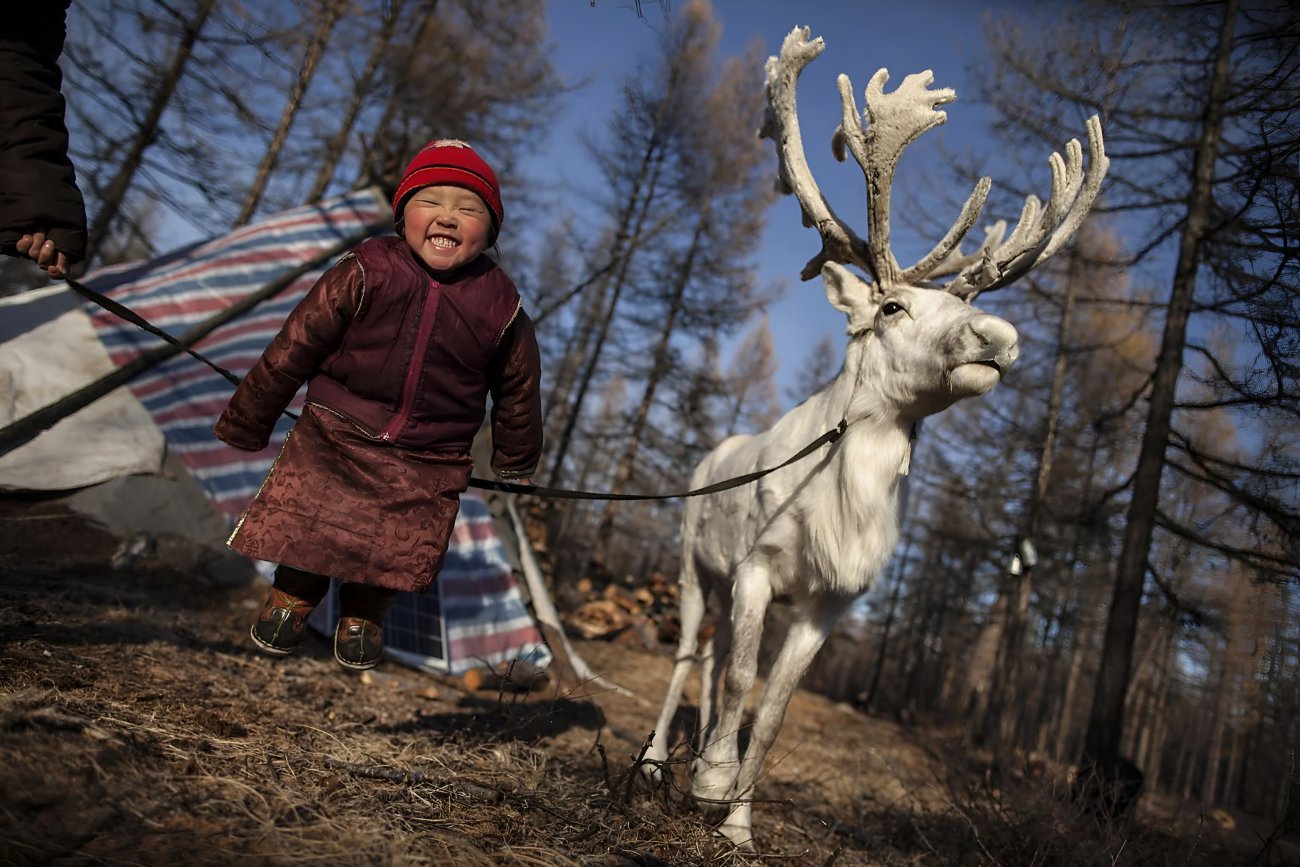
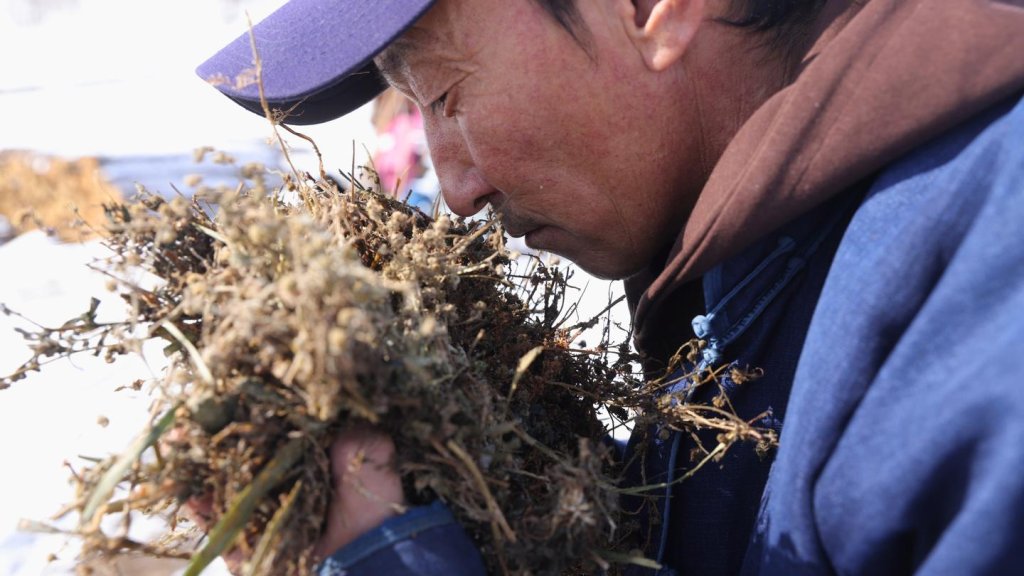
For centuries, herder communities have sustained Mongolia's culture, economy and landscapes. Yet many herder households face increasing pressures from land degradation, desertification, dzud, declining pasture quality and limited access to markets and services. Too often, migration to urban areas is driven not by choice but by necessity.
The goal should not be to prevent mobility. People should always be free to pursue opportunities wherever they choose, but herders and rural communities need genuine choices in the first place.
That means improving access to quality healthcare, education, digital connectivity, and social protection in rural areas, while also expanding digital solutions, mobile services, and innovative approaches that overcome Mongolia's vast distances.
It also means helping rural communities earn more from what they already produce.
Too much of Mongolia's wealth leaves the countryside in raw form. The future lies in creating higher-value products and stronger supply chains. Milk can become cheese and dairy products. Wool can become premium garments. Leather can become internationally competitive brands. Meat can become processed products serving domestic and export markets. Adding value to these commodities creates jobs, increases incomes and allows more wealth to remain within local communities.
Prosperity built on healthy land
At the same time, the future wellbeing of herder communities depends on healthy ecosystems, bringing me to a second conviction: Mongolia’s future must also be built around nature.
The country’s hosting of the Conference of the Parties (COP17) to the UN Convention to Combat Desertification (UNCCD) reminded me that land restoration also restores livelihoods. The Steppe Action Agenda, an outcome of the conference, provides a practical framework to carry momentum for healthy rangelands into lasting partnerships, investment and action. It recognises that healthy ecosystems support our water, food, biodiversity, climate resilience, and economic opportunities. People and nature do not compete. They rise or fall together.
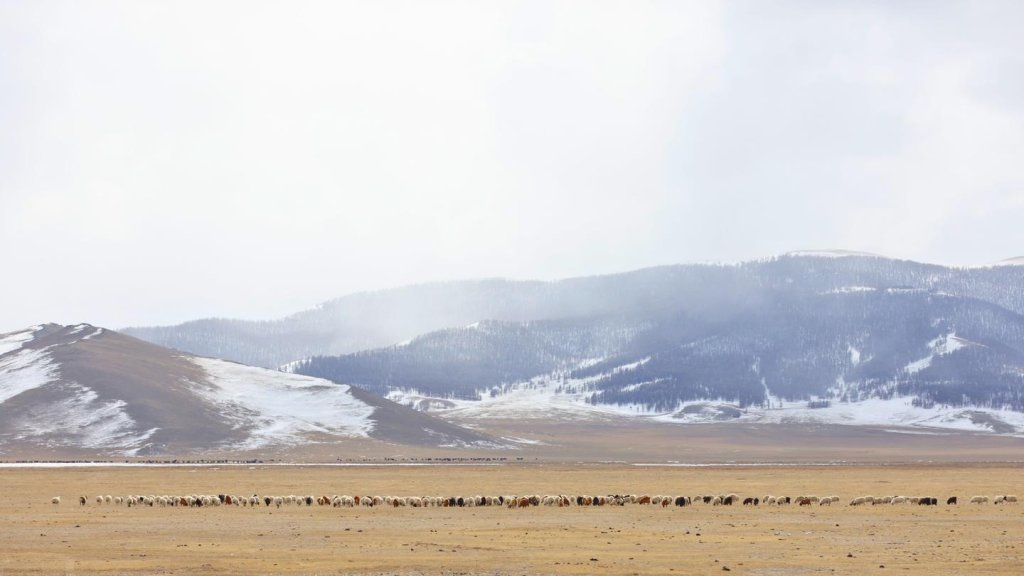
Building on the momentum of COP17, Mongolia has an extraordinary opportunity to position itself as a global leader in development that benefits both people and nature. Safeguarding the country’s vast steppes, unique wildlife, migratory corridors and protected areas is an ecological and economic investment for future generations. It is also an investment in high-value, low-volume tourism that can generate sustainable livelihoods while preserving the character and beauty that make Mongolia unique.
The choices Mongolia makes regarding land use, infrastructure and mining will therefore be critical. Mining can continue to drive growth. But it must be environmentally and socially responsible, with strong labour standards and decent work opportunities for those employed across the industry. Decisions about where and how mining occurs should be informed by science, long-term planning and the value of natural ecosystems.
Ultimately, sustainable development requires balancing immediate gains with long-term prosperity.
From ambition to action
The good news is that the conversations emerging from COP17, the Steppe Action Agenda and partner consultations for the next Cooperation Framework point to a different path: one where Mongolia does not have to choose between development and environmental leadership.
Investment alone will not be enough. The United Nations can help turn these ambitions into action by bringing the Government, businesses and communities together, supporting effective policies and helping mobilise the knowledge and investment needed to deliver results.
My hope for the next Cooperation Framework is therefore ambitious but achievable:
- A Mongolia where mineral wealth is transformed into human development through quality education, good health and opportunities for all.
- A Mongolia where women and men share equally in opportunity, leadership and the benefits of growth.
- A Mongolia where rural communities thrive because they have choices and opportunities.
- A Mongolia where healthy rangelands support livelihoods.
- A Mongolia where biodiversity, wildlife and landscapes are protected for future generations.
- A Mongolia where economic growth becomes more inclusive, diversified and sustainable.
- And ultimately, a Mongolia where prosperity reaches every community and no one is left behind.
This is the development journey that, in my view, should define Mongolia's next chapter. And it is a journey the United Nations is proud to support.
Please visit the UN team's website for more information about the UN's work in Mongolia.





Latest news and updates