UN Delivers Results for Millions Despite Mounting Global Pressures, Secretary-General Tells Member States
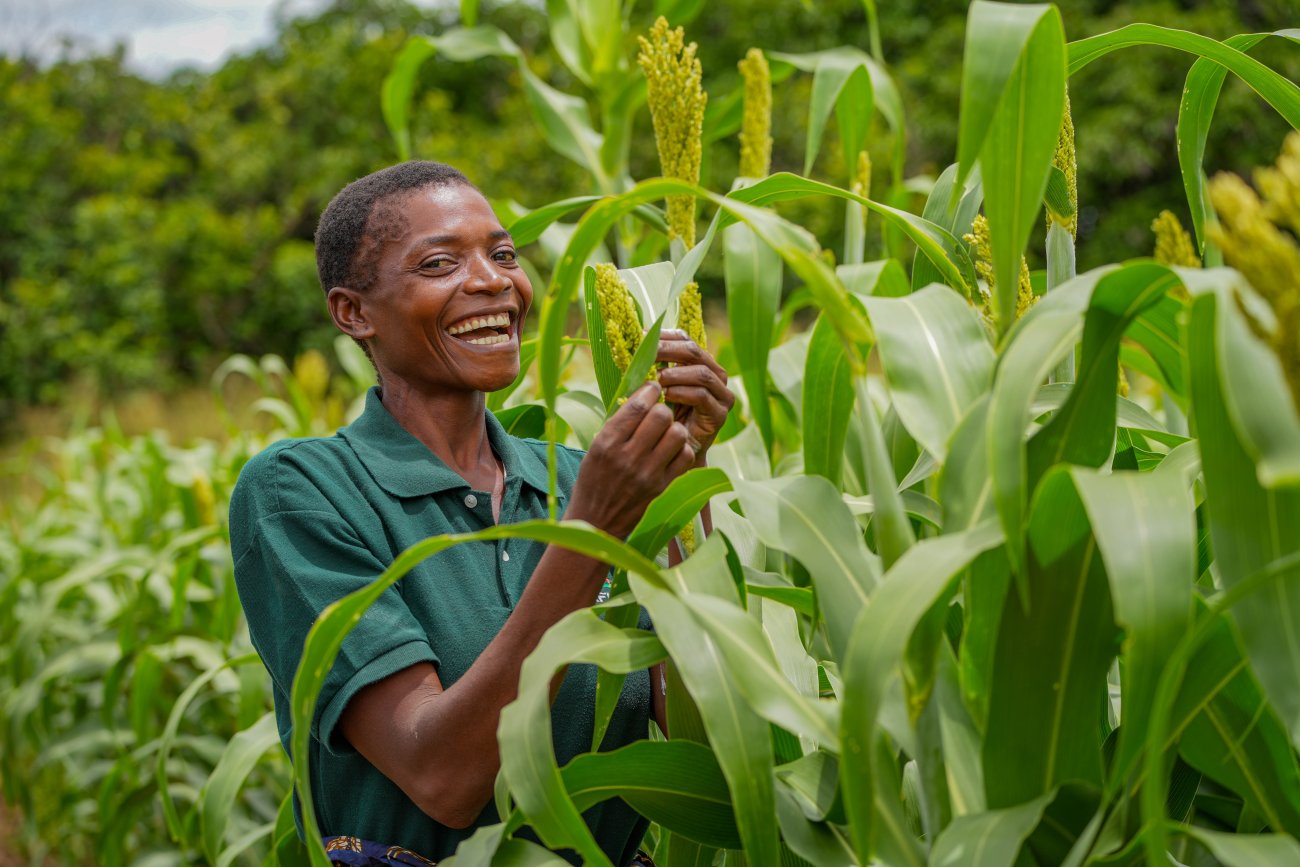
Food assistance for 121 million people. Millions more children back in school. Expanded access to healthcare, social protection, clean energy and justice.
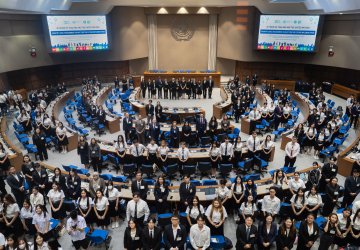
Those are some of the results countries achieved with support from the United Nations development system in 2025, according to new reports presented this week to Member States at the Economic and Social Council (ECOSOC).
The reports come at a difficult moment for development worldwide. Countries are confronting rising debt burdens, climate shocks, conflicts, widening inequalities and the sharpest decline in development financing in recent years. Yet governments are also reporting the highest levels of satisfaction with United Nations development support since reforms of the UN development system began nearly a decade ago.
Presenting his report on the implementation of the Quadrennial Comprehensive Policy Review (QCPR), UN Secretary-General António Guterres said the reforms launched in 2017 have fundamentally changed how the UN works with countries.
"The United Nations development system today is more coherent, more accountable and more closely aligned with national priorities than it has ever been before."
The Secretary-General noted that the system was once "too fragmented when coherence was required" and "too internally competitive when collaboration was essential." Today, he said, a strengthened Resident Coordinator system and country-led Cooperation Frameworks are helping the UN work more effectively around national priorities.
The results are increasingly visible in people's lives.
In 2025 alone:
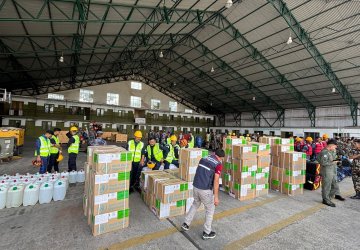
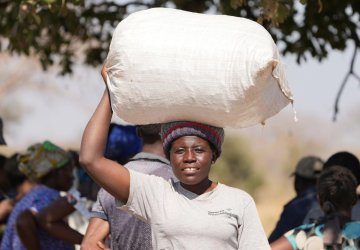
• 121 million people accessed food assistance;
• 27 million out-of-school children returned to learning;
• 567 million additional people benefited from essential health services without financial hardship since 2018;
• 284 million people gained improved access to electricity;
• 4.3 million people accessed justice services;
• Millions more benefited from expanded social protection, digital services and climate resilience initiatives.
Governments are taking notice. According to the Secretary-General's report, 94 per cent of governments now assess UN development system support as effective, while 90 per cent recognize Resident Coordinators, leading UN teams in over 160 countries and territories, as a strengthened entry point to the UN system.
Why coordination matters
The second report presented to Member States — the annual report of the Chair of the UN Sustainable Development Group (UNSDG) — focuses on how countries are using the Resident Coordinator system to access more coordinated and effective support from across the UN system.
UN Deputy Secretary-General Amina Mohammed, who chairs the UNSDG, said the evidence from 2025 is clear.
"Dedicated, independent and impartial development coordination delivers."
She noted that governments are reporting the strongest levels of satisfaction with Resident Coordinators since the system was reformed, with 93 per cent agreeing that Resident Coordinators provide strengthened leadership, a gain of nearly 30 percentage points since 2019.
"At a moment when countries face escalating crises and development financing is shrinking, coordinated support matters more than ever," she told Member States.
Around the world, Resident Coordinators helped bring together UN agencies, international financial institutions, civil society and other partners around shared national priorities.
That coordination is increasingly helping countries tackle interconnected challenges that no single institution can solve alone — from climate change and food insecurity to debt pressures, digital transformation and resilience to shocks.
In 2025, the UN development system supported 107 countries in preparing new climate commitments, helped countries strengthen resilience and recovery planning, expanded support for Least Developed Countries, Small Island Developing States and Landlocked Developing Countries, and increased the integration of gender equality, disability inclusion and youth participation across UN cooperation frameworks.
The Joint SDG Fund, the UN's principal financing mechanism for joint programming, helped unlock more than $8 billion in development financing to support country-led priorities ranging from social protection and health systems to food security and climate-smart agriculture.
Reform works — but funding is under pressure
Both reports carry a warning.
While countries increasingly value coordinated UN support, the resources available to sustain it are under growing strain.
The Secretary-General warned that development financing is declining at an unprecedented pace, while the Resident Coordinator system faced a $46 million funding shortfall in 2025. At the same time, many countries are facing slowing growth, rising vulnerabilities and shrinking fiscal space.
"The system is better equipped — but increasingly under-resourced," he said.

The message from both reports is that reform has delivered measurable results, but continued progress will depend on sustained political support and more predictable financing.
As the world enters the final stretch toward the 2030 deadline for the Sustainable Development Goals, countries are increasingly looking for support that is faster, more integrated and better aligned with national priorities.
The reports suggest that where coordination is strongest, the UN is better able to help deliver exactly that.
Read the 2026 Secretary-General's Report on the Implementation of the QCPR.
Read the 2026 UNSDG Chair Report on the Development Coordination and Resident Coordinator System: Report | Online Interactive Version





Latest news and updates