Seychelles: First in Africa to Champion the Ocean's Future
This blog was published in observance of World Oceans Day, celebrated every year on 8 June. Lisa Simrique Singh, UN Resident Coordinator for Mauritius and Seychelles, reflects on the Seychelles' leadership in managing and protecting marine life, from pioneering a blue bond to supporting ocean-based entrepreneurship. With the distinction of being one of the first African countries to ratify the new High Seas Treaty, Seychelles is building on its longstanding partnership with the UN to grow its economy, protect the ocean and support its communities.
Growing up far inland, surrounded by mountains, the ocean existed for me only in children’s stories — a faraway world of whales, mermaids and boundless possibility. It was only when I had the privilege of living in Sri Lanka, Mauritius and Seychelles that I understood those stories were not fanciful at all.
The ocean is alive, generous and deeply fragile. And for Seychelles, it is not merely a backdrop. It is the nation’s identity, economy and future.
The stakes could not be higher. Tourism accounts for around 21 per cent of Seychelles’ Gross Domestic Product. Fisheries underpin food security and employment for thousands of families. Yet average sea levels in the Western Indian Ocean are rising faster than the global mean, threatening low-lying coastal communities. Coral bleaching events in 1998 and 2016 damaged large portions of the nation’s reefs, reducing fish stocks and cutting into tourism revenues. Moreover, its Exclusive Economic Zone, the maritime area where Seychelles has exclusive rights to explore and use natural resources, is nearly 1.4 million square kilometres — 3,000 times its land surface. Seychelles’ resilience is therefore inseparable from the health of the ocean around it.
A nation that leads with vision
Seychelles understood long before most that protecting the ocean is not a constraint on prosperity — it is the foundation of it.
The country has placed the blue economy at the heart of its sustainable development agenda, advancing a model of economic growth that benefits every Seychellois while safeguarding the ecosystems on which they depend.
It pioneered the world’s first sovereign blue bond, converting debt relief into funding for ocean conservation and giving rise to the Seychelles Conservation and Climate Adaptation Trust (SeyCCAT).
It has now legally protected more than 30 per cent of its waters as Marine Protected Areas, exceeding the global “30 by 30” target under the Kunming-Montreal Global Biodiversity Framework years ahead of the 2030 deadline.
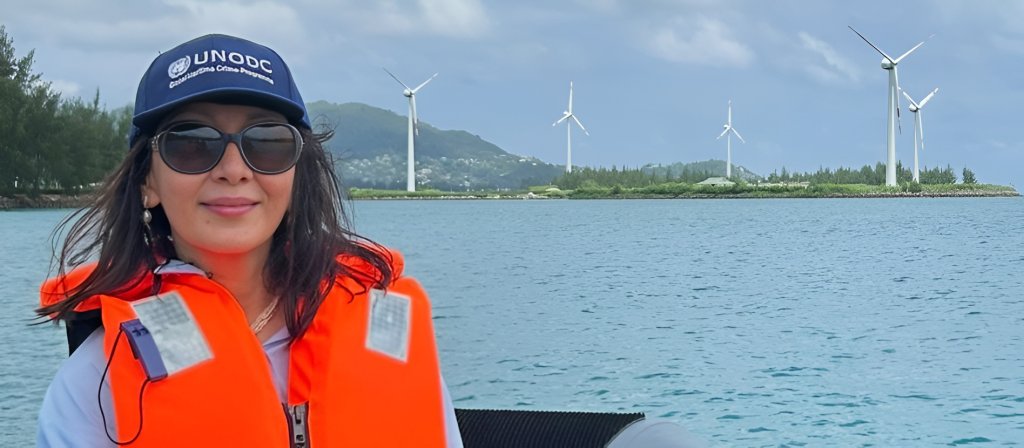
It is no surprise, then, that Seychelles was among the first countries in Africa to ratify the landmark Agreement on the Conservation and Sustainable Use of Marine Biological Diversity of Areas Beyond National Jurisdiction, otherwise known as the BBNJ Agreement or the “High Seas Treaty.”
In force since January this year, the Agreement establishes the first legally binding global framework to protect biodiversity in the open ocean. It supports environmental impact assessments, the implementation of tools that conserve and manage ocean areas, the fair sharing of genetic materials from ocean life and capacity building for developing nations.
Importantly, the Agreement also recognises the special circumstances and needs of Small Island Developing States. As highlighted by the Multidimensional Vulnerability Index, vulnerability extends beyond income levels and includes exposure to environmental, economic and climate-related shocks. The Agreement can therefore help unlock the finance, technology and capacity building that are often difficult for Small Island Developing States to access despite their high-income classification.
For Seychelles, early ratification was not a diplomatic gesture. It was the natural expression of a country that has consistently chosen to act on its values.
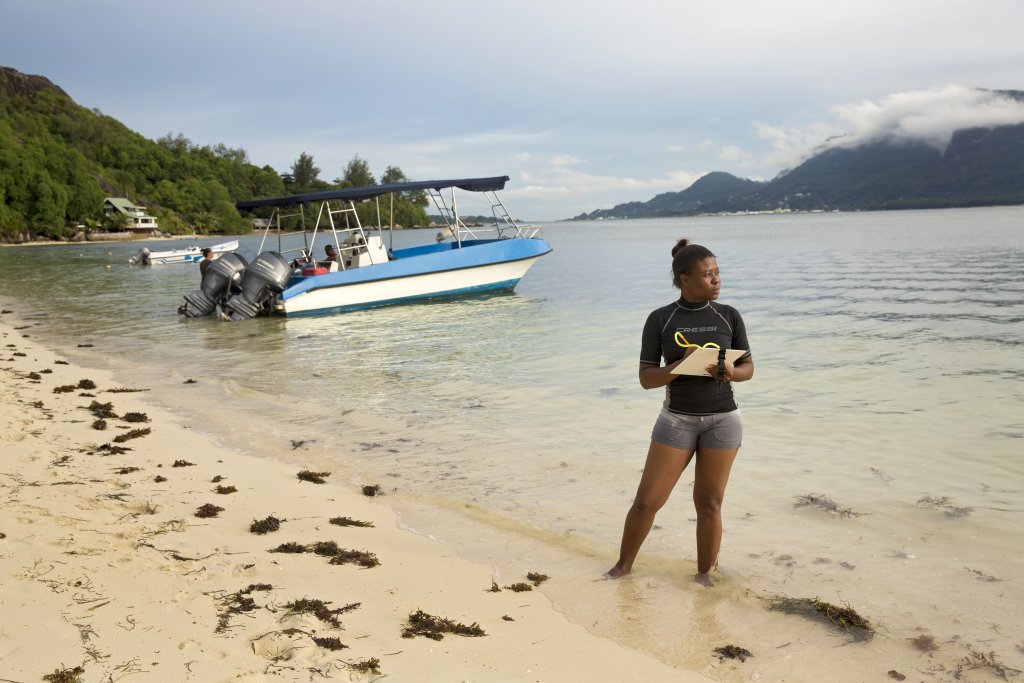
What the UN and Seychelles built together
As Resident Coordinator, I have had the privilege of working alongside the Government of Seychelles and the UN Country Team to help translate this leadership into institutional reality.
Together, we strengthened the legal, scientific and governance foundations needed to implement the BBNJ Agreement. Our efforts included raising awareness among national stakeholders, reviewing fisheries and maritime legislation and building the capacity of legal experts and national partners with support from the UN Environment Programme (UNEP) and the UN Division for Ocean Affairs and the Law of the Sea (DOALOS).
We also supported the development of Marine Spatial Planning frameworks, including strengthened governance arrangements for the Joint Management Area shared with Mauritius, a model of collaborative ocean leadership that is being watched closely across the Indian Ocean region.
Beyond governance, the UN supported Seychelles in connecting ocean conservation with tangible economic opportunity. Digital fisheries information systems are giving decision-makers real-time data to manage stocks sustainably and to open doors to free trade markets across Africa.
Through the Joint SDG Fund, we supported entrepreneurship programmes that are creating new opportunities for youth, women and small businesses to participate in a growing ocean economy.
And we worked with policymakers to map the complex interactions between biodiversity, climate resilience, fisheries and trade — a methodology that Seychelles has refined to the point that it is now being recognised as a model for other Small Island Developing States.
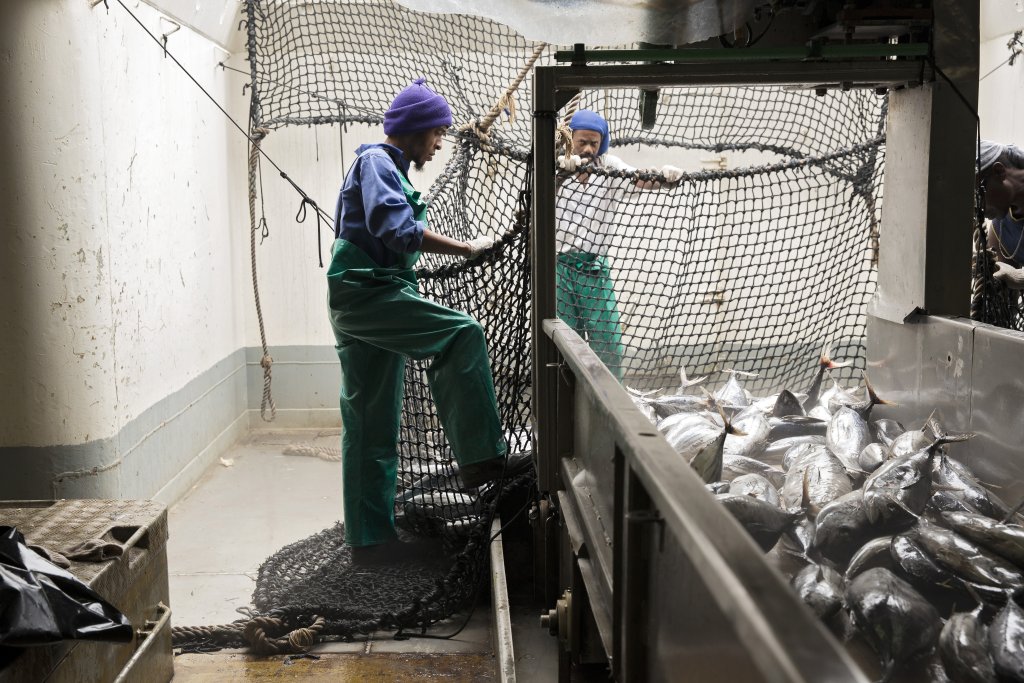
For the fisher, the entrepreneur and the child
All of this ultimately comes down to people. The BBNJ Agreement is legally binding, which matters enormously.
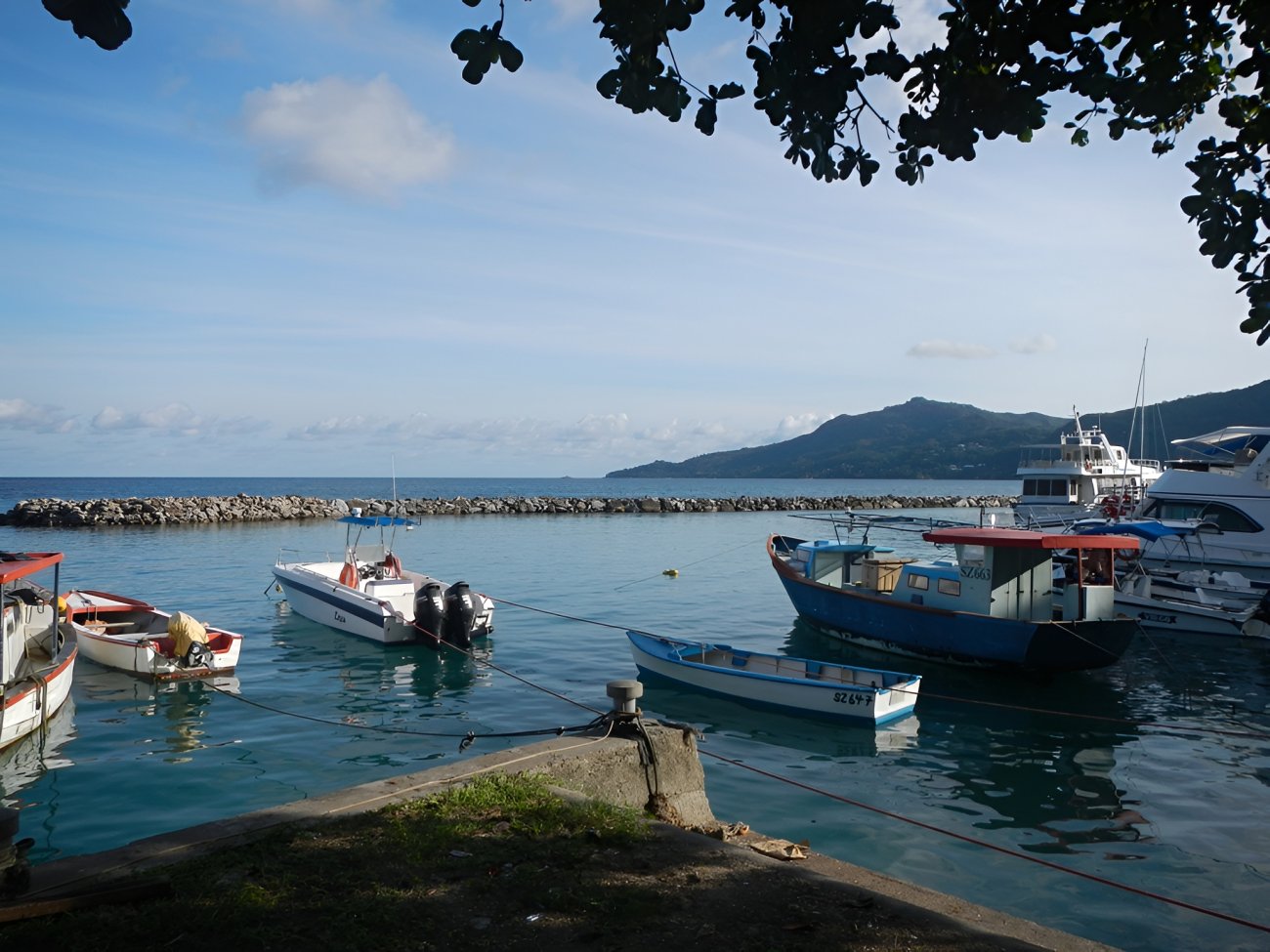
But what matters more is what it means for the artisanal fisher in Mahé, whose livelihood depends on healthy, accessible fish stocks. For the eco-tourism operator in Praslin, whose business flourishes only when the reef does. For the young woman entrepreneur building a sustainable seafood business. For the child in a classroom on La Digue, learning about coral reefs that, if we act now, will still be alive when she is grown.
By embedding provisions for gender equality and community participation, the Treaty ensures that these people are not afterthoughts in ocean governance. They are central to it.
With five years left to 2030, Seychelles is demonstrating that ocean action is one of the most powerful levers available to small island nations pursuing the Sustainable Development Goals. Its experience — from the blue bond to the BBNJ ratification, from Marine Spatial Planning to blue economy entrepreneurship — is proof that the smallest nations can drive global change when they lead with conviction. Seychelles is not waiting for the world to act. It is showing the world how.
The child I once was, raised in the mountains, could not have imagined finding her purpose in the ocean. But that is exactly what has happened. As Resident Coordinator, every partnership we forge, every governance framework we strengthen, every young entrepreneur we support, is in service of one simple conviction: that the ocean Seychelles inherits — and shares with the world — must be alive, abundant and truly theirs.
This blog was authored by Lisa Simrique Singh, UN Resident Coordinator for Mauritius and Seychelles. Please visit the UN team's website for more information about the UN's work in Seychelles.





Latest news and updates