Countries Are Facing Tough Choices. Here's What They're Asking the UN For.
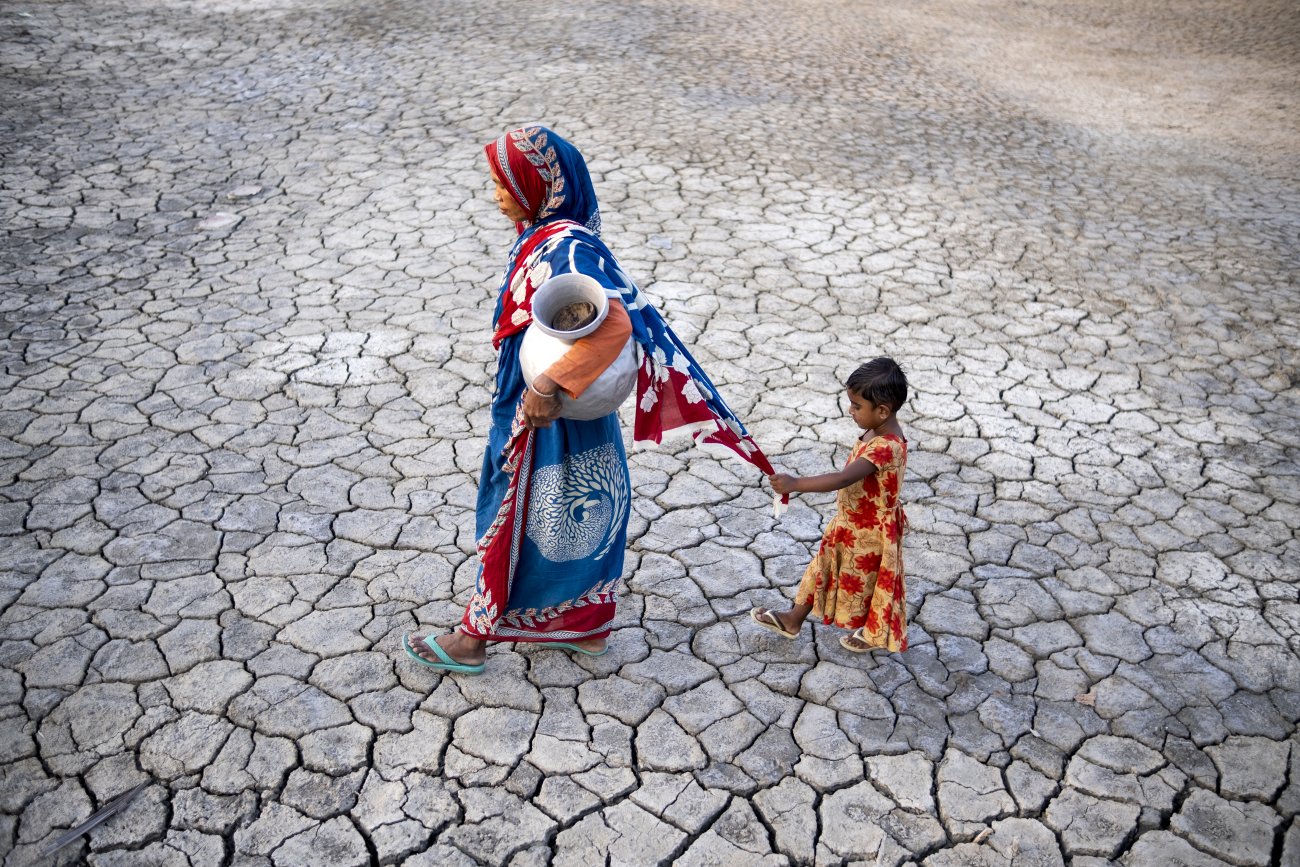
A mother weighing whether she can afford to miss a day's work to take her child to a health clinic. A farmer deciding whether to plant despite worsening droughts and uncertain rains. A young person wondering whether the skills they are acquiring today will open doors tomorrow.
Behind these individual struggles lie increasingly difficult choices for governments. As debt burdens rise, aid budgets shrink and climate- and conflict-related shocks intensify, countries are under growing pressure to protect essential services while continuing to invest in their people's futures.
These questions were at the heart of discussions during the United Nations Economic and Social Council (ECOSOC) Operational Activities Segment, an annual forum where governments discuss how the UN development system can better support countries in addressing development challenges and accelerating progress towards the Sustainable Development Goals — from quality education and food security to clean energy, digital transformation and resilient communities.
This year's discussions reflected the reality many countries are confronting:
- Debt service burdens in developing countries have reached their highest levels in two decades.
- Forty-five developing countries now spend more on debt interest payments than on healthcare.
- Official development assistance fell by a record 23 per cent in 2025.
- The annual financing gap for sustainable development exceeds $4.3 trillion.
Against this backdrop, how can the UN strengthen countries' ability to deliver for their people?
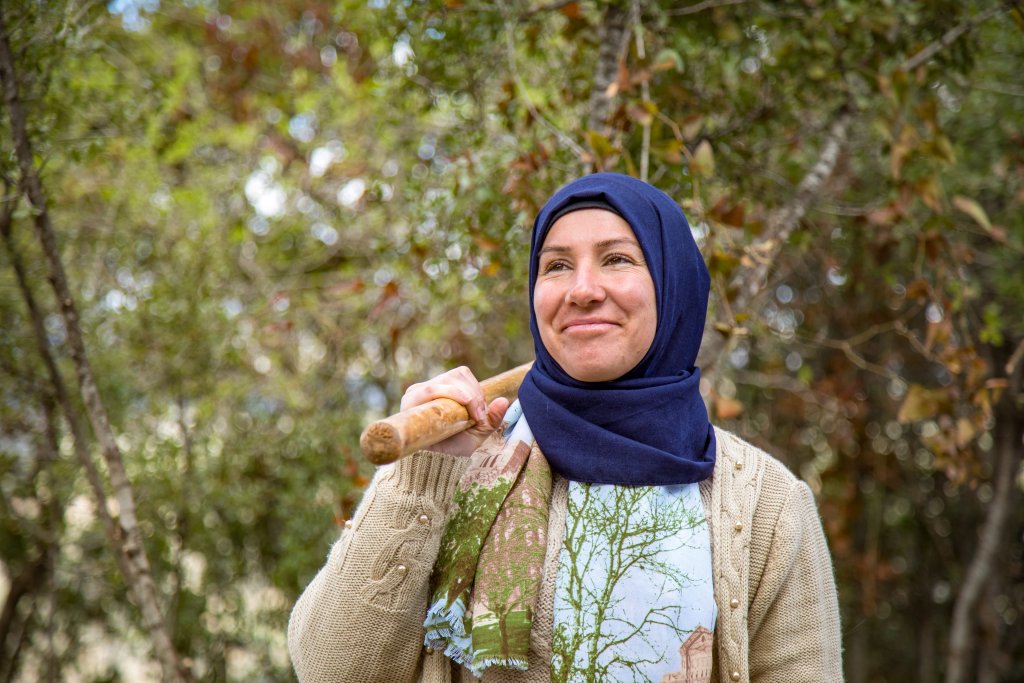
Countries are Asking for Support That Strengthens Delivery of Programmes, Systems and Services
Despite diverse contexts and priorities, governments converged around a common message: international cooperation works best when it starts with national priorities and strengthens countries' ability to navigate increasingly complex challenges.
Countries called for support that is:
- easier to access and navigate;
- transparent about resources, plans and results;
- better able to reduce duplication and fragmentation;
- equipped to mobilize and align financing around national priorities;
- focused on tangible improvements in people's lives;
- tailored to national contexts and priorities.
The message was clear: Countries are not asking for more process. They are asking for support that strengthens their ability to deliver.
Turning Financing Into Better Outcomes for Communities
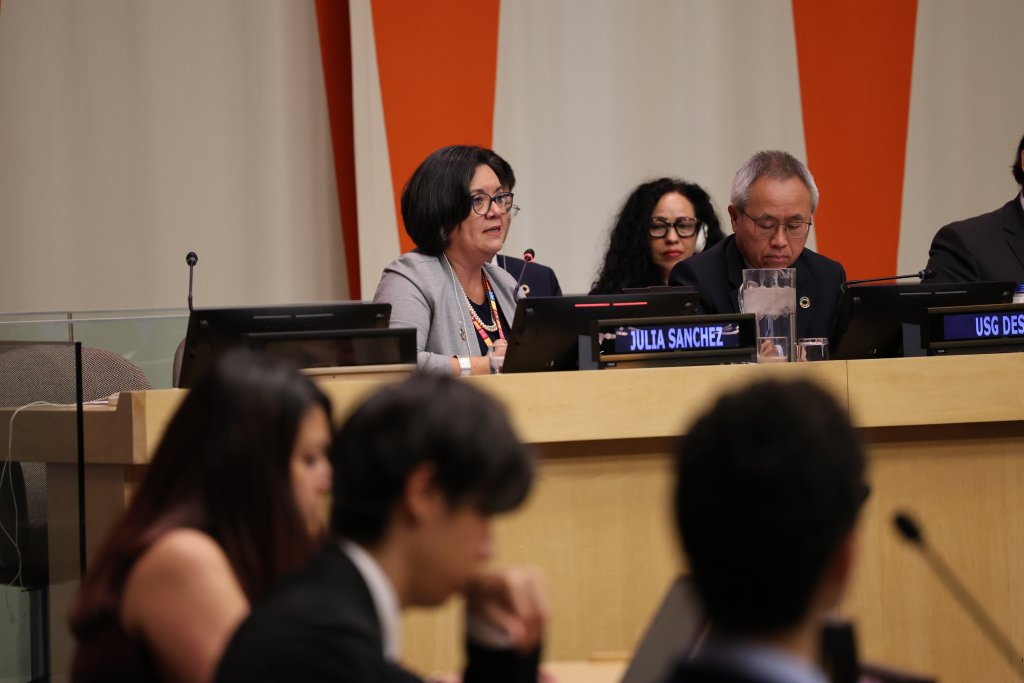
In the Dominican Republic, Resident Coordinator Julia Sánchez described how coordinated support is helping connect national priorities with broader financing opportunities.
A Joint SDG Fund initiative focused on food systems generated evidence and partnerships that helped unlock additional financing from international financial institutions, supporting efforts to strengthen food security and build more resilient livelihoods.
In healthcare, the UN helped bring government institutions and development partners around a single national primary healthcare strategy, aligning investments behind nationally owned priorities rather than multiple disconnected initiatives.
The experience illustrates how coordination can help countries maximize the impact of limited resources by connecting priorities, expertise and financing around shared goals.
As the Resident Coordinator noted, the UN's value in middle-income countries is often catalytic: identifying priorities, convening the right partners, piloting solutions and aligning financing behind nationally led efforts.
Linking Climate Action, Jobs and Investment
In South Africa, Resident Coordinator Nelson Muffuh highlighted the importance of translating policy ambitions into practical action.
The UN team is supporting collaboration across government institutions to connect planning, budgeting and investment decisions around the country's Just Energy Transition.
The objective goes beyond climate action alone.
It is about ensuring that the transition creates jobs, attracts investment and strengthens resilience for communities facing economic and environmental change.
The experience underscored an important point raised by many countries: without coordination, financing, policy advice and capacity-building risk becoming disconnected efforts rather than coherent responses to national priorities.
Protecting Development Gains During Times of Crisis
Moldova's experience demonstrated the importance of flexibility and partnership when countries face multiple shocks at once.
Resident Coordinator Yasim Oruc described how the war in neighbouring Ukraine, an influx of refugees, rising energy prices and increasing pressure on household budgets threatened to reverse years of development progress.
Responding effectively required strong national leadership, flexible financing and partners willing to work across institutional boundaries.
The experience highlighted a broader lesson:
Countries need support systems that can respond to crises while continuing to advance long-term development priorities.

Getting Expertise Where and When it is Needed
Several discussions focused on another challenge: ensuring countries can access specialized expertise quickly and efficiently.
Resident Coordinator Stephen Jackson in China noted that governments increasingly require timely technical support, even where maintaining a permanent presence from every institution is neither practical nor necessary.
Resident Coordinators help governments navigate and draw upon expertise from across the UN development system, connecting countries with the support they need when they need it.
What Countries Said Success Looks Like
Across the discussions, governments outlined a practical vision for international cooperation:
- Financing that supports national priorities.
- Expertise that reaches countries when it is needed.
- Partnerships that reduce fragmentation rather than increase it.
- Data and analysis that help governments anticipate and respond to emerging challenges.
- Support that contributes to better healthcare, stronger food systems, decent jobs, improved education, energy access and greater resilience.
Countries also emphasized that effective coordination cannot replace adequate financing.
As governments work to accelerate progress towards the Sustainable Development Goals, both remain essential: support that strengthens countries' ability to deliver results and predictable financing that enables countries to sustain them.
With less than five years remaining until 2030, countries made clear that the success of international development cooperation will ultimately be judged not by the processes it creates, but by whether it strengthens countries' ability to translate priorities into progress and improve people's lives.
In a world of growing needs and constrained resources, countries are calling for support that is practical, responsive and focused on what matters most: strengthening their ability to deliver results people can see and feel.





Latest news and updates