Uruguay: How the United Nations Contributed to a Global First for Clean Transport and Finance

Uruguay, a global leader in renewable energy, is breaking new ground in decarbonising its transport and industrial sectors. The Kahirós green hydrogen project marks a major milestone as the country’s first large-scale initiative to produce and use green hydrogen for heavy transport. Launched in December 2025, with a total investment exceeding $30 million, the project is financed by Grupo Santander, the International Finance Corporation (IFC) and the UN-backed Renewable Energy Innovation Fund (REIF).
Green hydrogen, produced from water, through renewable energy sources, offers one of the most sustainable options to power our electricity grid, provide heating and cooling for buildings and for transport. Yet less than 5 per cent of green hydrogen projects worldwide have reached investment stage, underscoring why Uruguay’s initiative is a first-of its kind.
Financing Uruguay’s second energy transition
The UN in Uruguay and its partners have been pooling their collective strengths to mobilise capital for the country’s steady and equitable transition towards clean energy. The Renewable Energy Innovation Fund has been a pivotal platform, financed by the UN Joint SDG Fund, and implemented by the United Nations Industrial Development Organization (UNIDO) as lead agency in partnership with the United Nations Development Programme (UNDP), and the United Nations Programme for Gender Equality and the Empowerment of Women (UN Women) under the strategic leadership of the United Nations Resident Coordinator (RC), making this possible at scale.
As a public-private partnership, the Innovation Fund is providing flexible loans with technical assistance and access to knowledge and technologies. Collaborating with Uruguay’s banking sector (e.g. Santander, Banco Bilbao Vizcaya Argentaria, Itaú, the Hongkong and Shanghai Banking Corporation, Banco República, Heritage), loans are provided to Small Medium Enterprises and corporates, particularly to those investments that advance gender equality in their impact. It is building a market by de-risking first movers, aligning public policy and embedding inclusive, gender-responsive finance into Uruguay’s clean tech ecosystem.
What the deal delivers for innovation and clean energy
The Kahirós project is the latest initiative backed by the Fund that will integrate solar generation, hydrogen production and a fleet of hydrogen trucks to support the decarbonisation of Uruguay’s forestry sector. This marks a concrete, scalable model for heavy transport decarbonisation in Latin America and beyond.
The IFC is providing a $20 million green loan to Kahirós, integrating a 4.8 megawatt zero-carbon solar plant that feeds the onsite electrolyser. The cycle is completed with hydrogen compression and refueling “hydrolinera” in less than 1 hour, supporting continuous operations, which is key for heavy logistics.
Along with Santander, the Fund’s investment goes towards the first six hydrogen trucks (fuelcell powertrains), a small number but pivotal to validate clean heavy cargo logistics in the forestry sector. Operated near Fray Bentos city, the initiative expects to produce 77 tons a year of green hydrogen and up to 870 tons a year in CO₂ reduction, roughly equivalent to removing 300 cars from the road.
Feasibility studies led by UNDP and UNIDO mapping logistics, infrastructure needs and export options have helped reduce uncertainty for policymakers, laying the groundwork for future hydrogen projects in the country, like Kahirós.
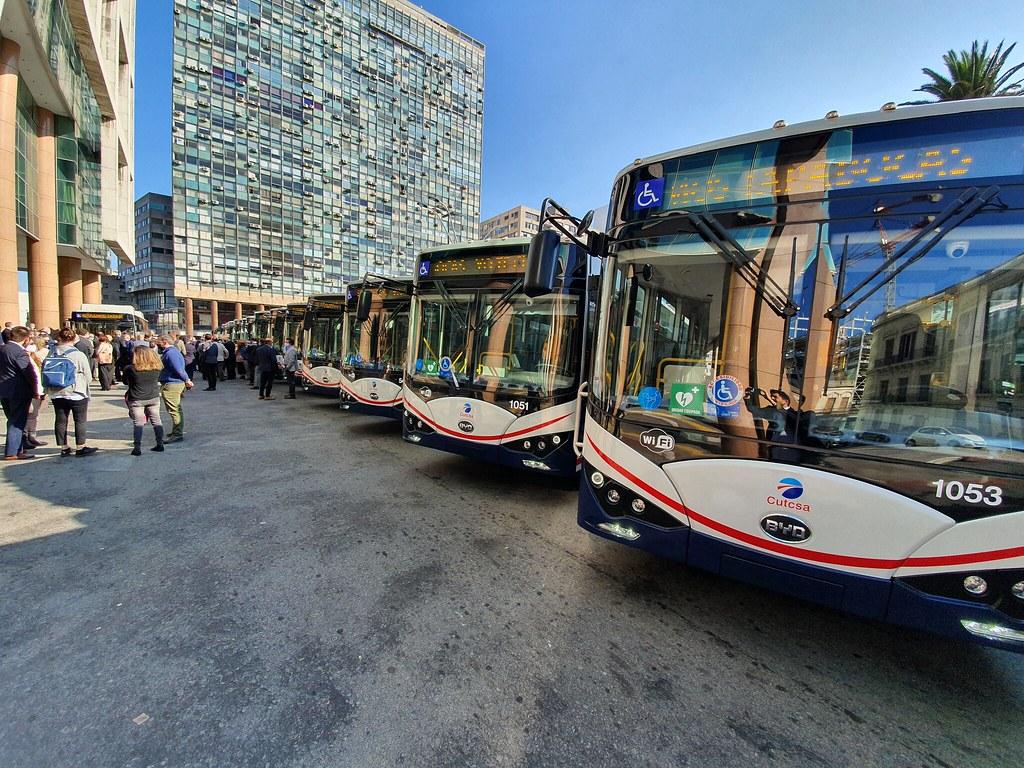
Uniting public and private sector for impact
Uruguay’s ambition to lead in green hydrogen required not only technical innovation but also a coordinated partnership between the public and private sector facilitated by the UN and the Renewable Energy Innovation Fund.
The proactive leadership of the Government of Uruguay has been crucial in realising Kahirós’ potential. In 2023, Uruguay launched a comprehensive national Roadmap for Green Hydrogen and Derivatives, positioning the country as a regional pioneer in the sector. To further enable the viability of the Kahirós project, the Government provided critical fiscal incentives, including tax exemptions for the transaction. These measures reduced the financial burden on investors and sent a strong signal of Uruguay’s commitment to fostering innovation and attracting sustainable investment.
The UN played a critical role in forging a strong and trusted partnership with mutually reinforcing actions between Santander, IFC and the Government.
By ensuring strategic coherence and facilitating open dialogue, the team under the strategic leadership of the Resident Coordinator has supported in creating the enabling environment necessary for this landmark initiative to succeed.

A blueprint for green hydrogen in the Global South
The Kahirós project is more than a national milestone, it is a signal to the world of what is possible when ambition, innovation and partnership converge. As global demand for green hydrogen accelerates, projections from the International Renewable Energy Agency (IRENA) suggest that by 2050, the market could reach approximately 550 million tons annually and unlock investments exceeding $11 trillion. Pioneering projects like Kahirós are laying the groundwork for this new era of clean energy and sustainable industry.
Uruguay’s leadership is anchored in a robust national strategy, forward-thinking policy and a commitment to public-private collaboration, demonstrating how middle-income countries can shape global trends. As the world looks to scale up green hydrogen solutions, Uruguay’s experience offers a replicable model: one where Government vision, UN system support and private sector innovation come together to turn potential into concrete progress.
Learn more about the UN's work in Uruguay on the UN team's website.





Latest news and updates