Guatemala: When Forecasts Become a Lifeline
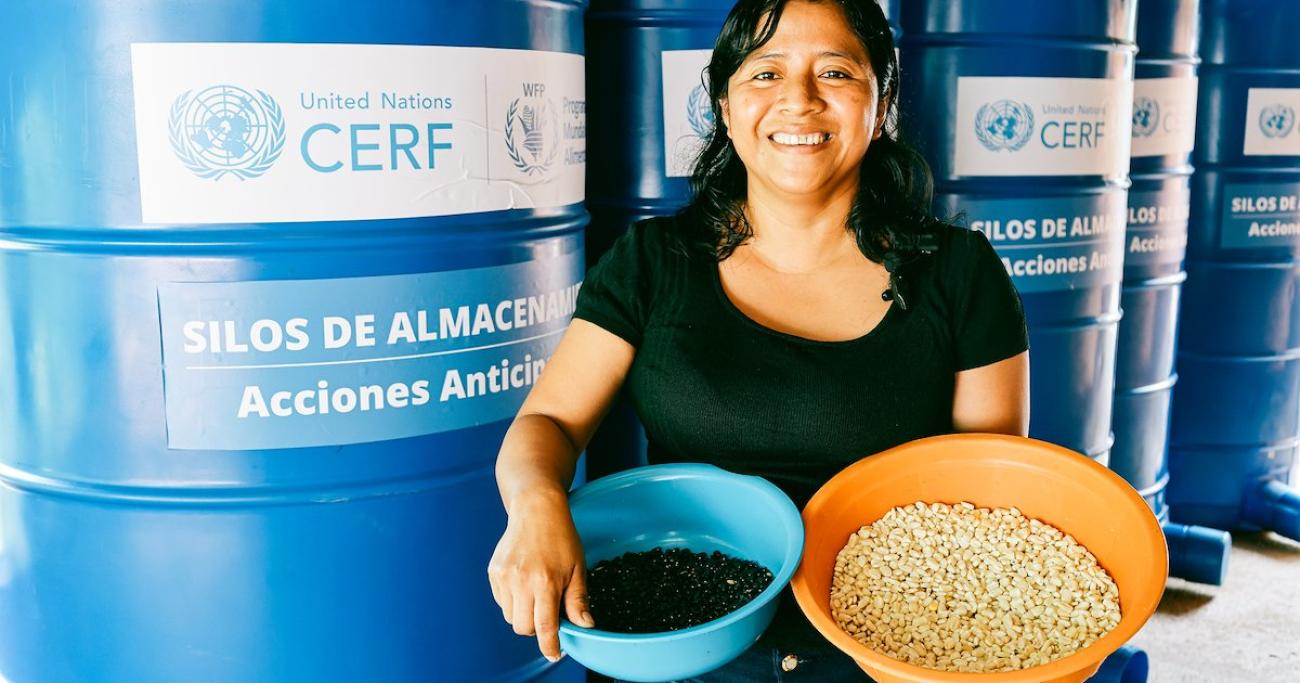
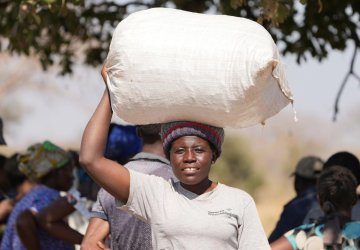
“We used to travel to town for maize,” said Marta Ávalos Martínez, a community leader from Camotán, a municipality in the eastern Guatemalan department of Chiquimula. “Now the grain is here, safe.”
For the first time, families in Marta’s community can access food reserves without spending half a day and what little cash they have on transport. This simple shift of having food within reach shows what anticipatory action looks like in Guatemala’s Dry Corridor, a region stretching across Central America that experiences alternating periods of drought and heavy rain, devastating crops and livelihoods.
Acting ahead to avoid worst impact
Anticipatory action uses weather forecasts to help families act early and avoid the worst impacts of extreme events such as floods or drought. In Guatemala, a plan set up in advance allowed funding to be released immediately if June forecasts showed a rainfall shortfall for the September to November planting season. When the official forecast confirmed below-average rainfall, the UN Central Emergency Response Fund (CERF) disbursed $4 million within hours.
This funding triggered the first collective anticipatory drought plan in Latin America and the Caribbean, led by the Guatemalan Government with the UN Office for the Coordination of Humanitarian Affairs (UNOCHA), the Food and Agriculture Organization (FAO), the World Food Programme (WFP), the UN Children's Fund (UNICEF) and the Pan American Health Organization (PAHO).
Instead of waiting for crops to fail and families to go hungry, partners acted early — distributing drought-tolerant seeds, repairing water systems and providing cash assistance.
Families at the frontline
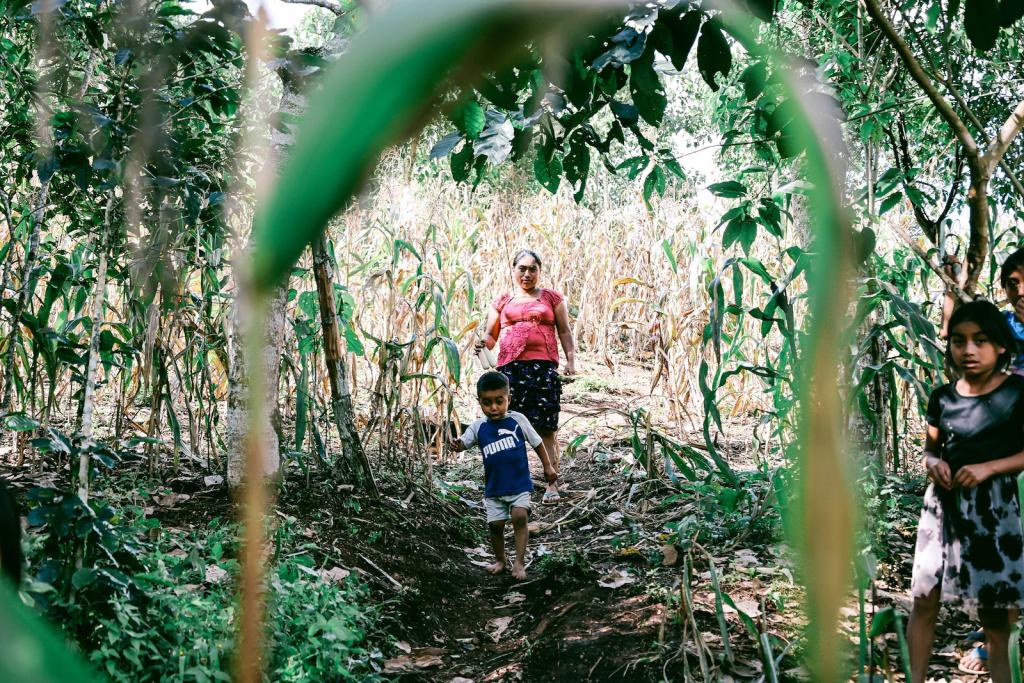
For Marta, every dry season used to mean fear. “When the crops failed, there was no work, no income, no food,” she recalled. This year, things were different. People in her community received cash and training to manage grain banks that keep reserves in good condition through the long dry months. Families report that this support has made a tangible difference. “Before, we waited for help after everything was lost,” said Marta. “Now, we’re ready to face what comes.”
“Now, instead of buying maize in town at high prices, we have our own stores. That money stays in the home.”
Each silo holds more than grain — it holds time: time to plan, plant and overcome the next dry spell without falling into debt.
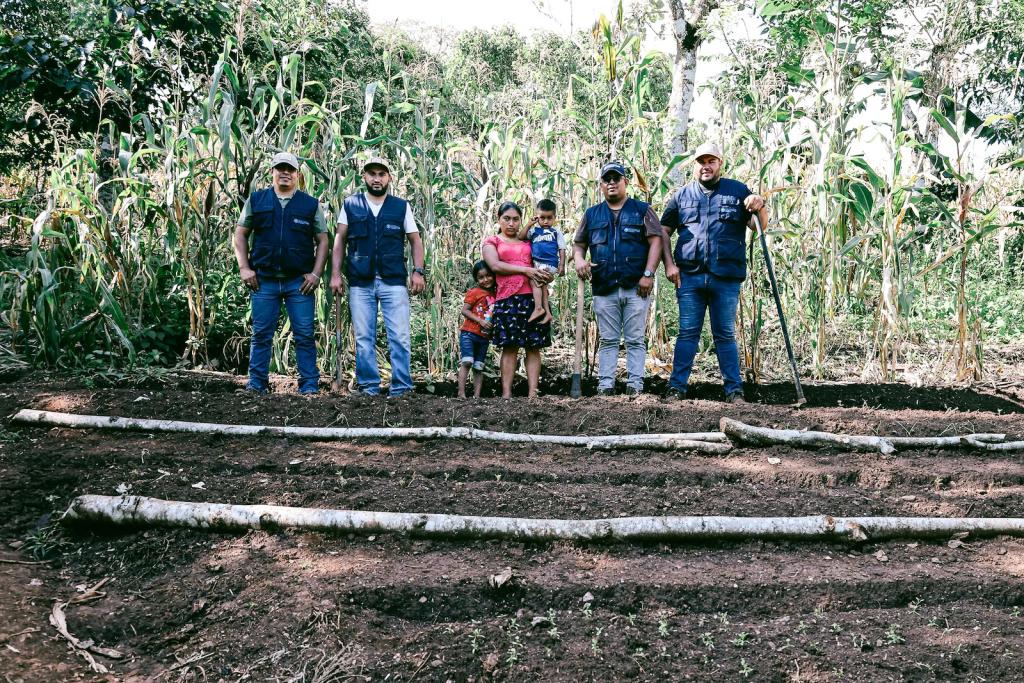
In the La Mina community in the neighbouring Jocotán municipality, Santa Orfelinda Pérez Pérez remembers walking half an hour to fetch water from a spring, carrying three containers at once — one on her head, one on her hip, another in her arms. “Sometimes the children went to school without bathing because there wasn’t enough water,” she said.
Now, a water-harvesting system stands near her home, and rows of green vegetable gardens. “We have vegetables, chickens and water coming,” she shared. “The eggs from the hens, we can eat them and sell them.”
After a previous drought ruined their harvest, Santa’s husband migrated in search of work to Mexico, where he was injured in an accident. “They [humanitarian agencies] supported us before things got worse,” she said. “That changes everything.”
How anticipatory action works
Across Chiquimula, anticipatory funding has supported more than 80 activities — from providing cash assistance and grain banks to water systems that help families irrigate small gardens and sustain livestock. Health workers are able to provide nutrition checkups, while community and school activities promote drought-resistant farming and better nutrition for children.
In a place where most families live on less than $130 a month, timing matters as much as cash. A dollar in July, before a drought intensifies, can prevent far greater losses in October.
Community networks are central to the response. Organized savings groups manage silos; municipal teams track which households and communities have received support under the plan; and local climate monitors share short-term forecasts that guide when to plant.
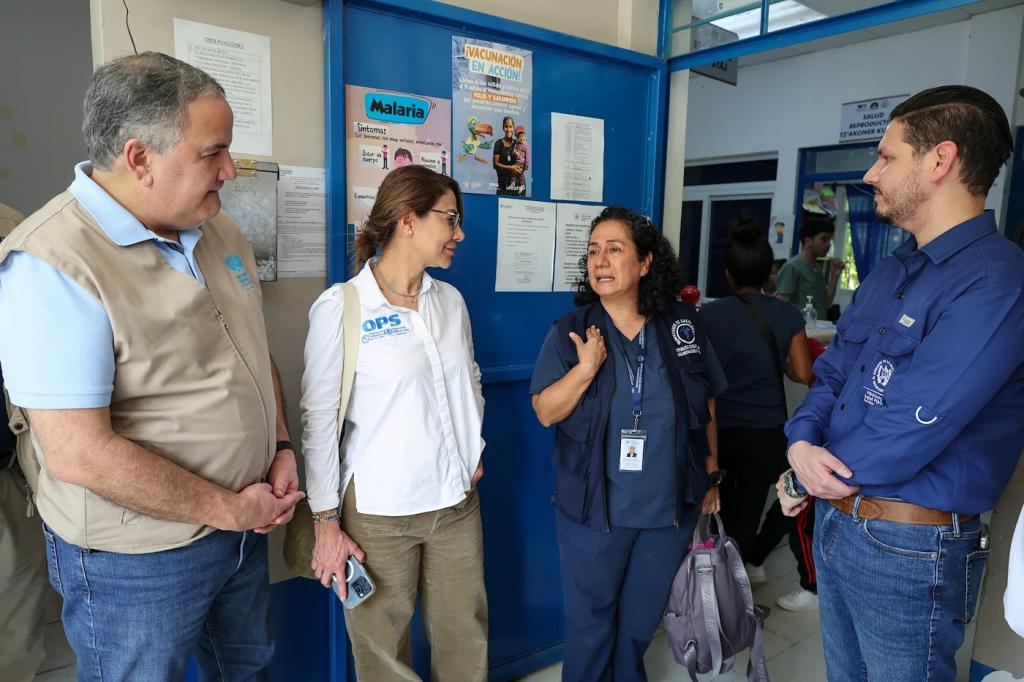
“This effort already benefits more than 51,000 people across 18 vulnerable communities,” said UN Resident Coordinator Miguel Barreto during a visit to Chiquimula. “It proves how preparation and coordination can protect lives and livelihoods before drought tightens its grip.”
This anticipatory action plan was developed by UNOCHA, together with the Government and partners across the Dry Corridor region — El Salvador, Guatemala and Honduras.
A fragile balance
Despite progress, Guatemala remains on the edge. Integrated Food Security Phase Classification (IPC) analysis shows that between February and April 2026, some 3 million people, one out of every six people in Guatemala, are expected to face high levels of acute food insecurity (IPC Phase 3 or above), meaning families would be skipping meals, selling what little they own or taking on debt just to eat.
“When the drought comes, we won’t start from zero. We’ll have something to hold on to and a little more time to decide what comes next,” said Marta.
Twenty per cent of crises worldwide stem from predictable shocks. Science tells us when and where many will happen. The question is whether we choose to act in advance.
This innovative approach to acting before drought strikes is made possible by the continued generosity of donors to CERF. Guatemala’s Humanitarian Needs and Response Plan 2025 calls for $100 million to reach one million people, but is only 17 per cent funded. The anticipatory activation in Chiquimula shows that with flexible, pre-arranged financing, families can receive help before they slide into crisis — especially when broader humanitarian funding is scarce.
This story was originally published on UNOCHA's Exposure page. Learn more about the UN's work in Guatemala on the UN team's website.





Latest news and updates