Hurricane Melissa: Why Coordination is the Difference Between Chaos and Recovery
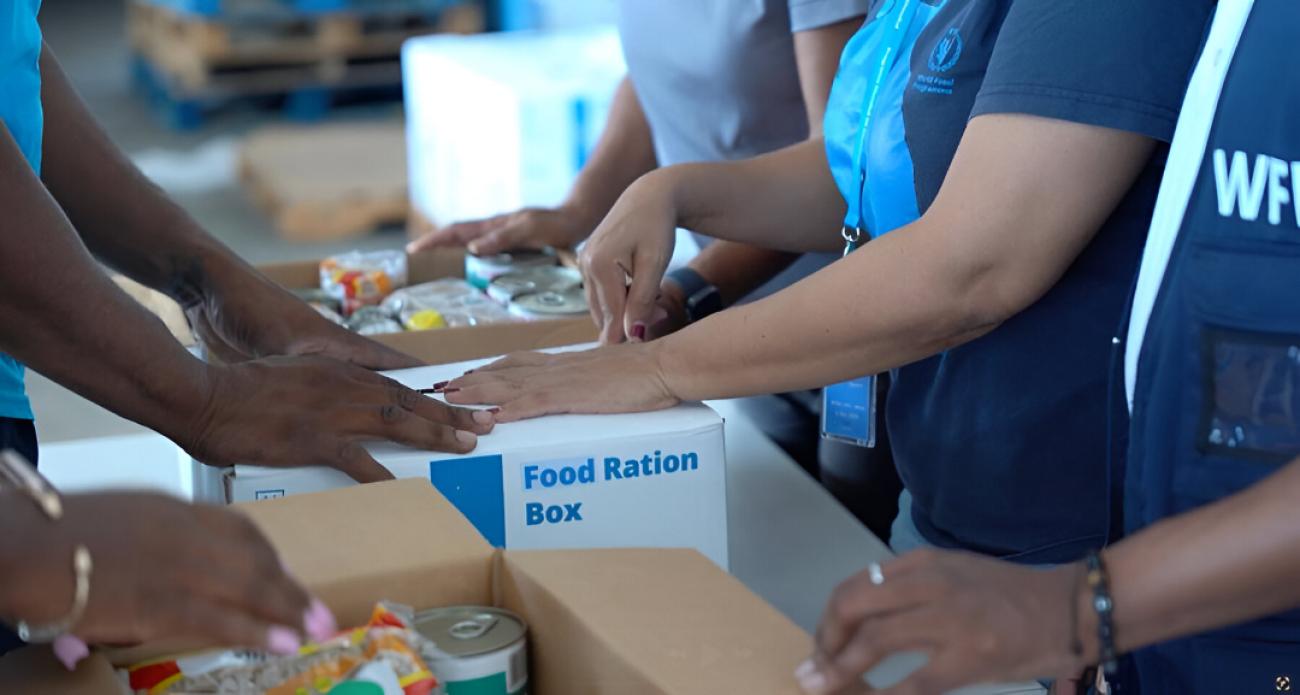
UN Resident Coordinator for Jamaica, the Bahamas and Turks and Caicos Islands Dennis Zulu reflects on the aftermath of Hurricane Melissa and the decisive role coordination played in saving lives and accelerating recovery. Drawing on the collective response of the Government, UN entities and partners, he shows how strong national leadership and a unified humanitarian effort turned an unprecedented crisis into a foundation for resilient recovery and long-term rebuilding.
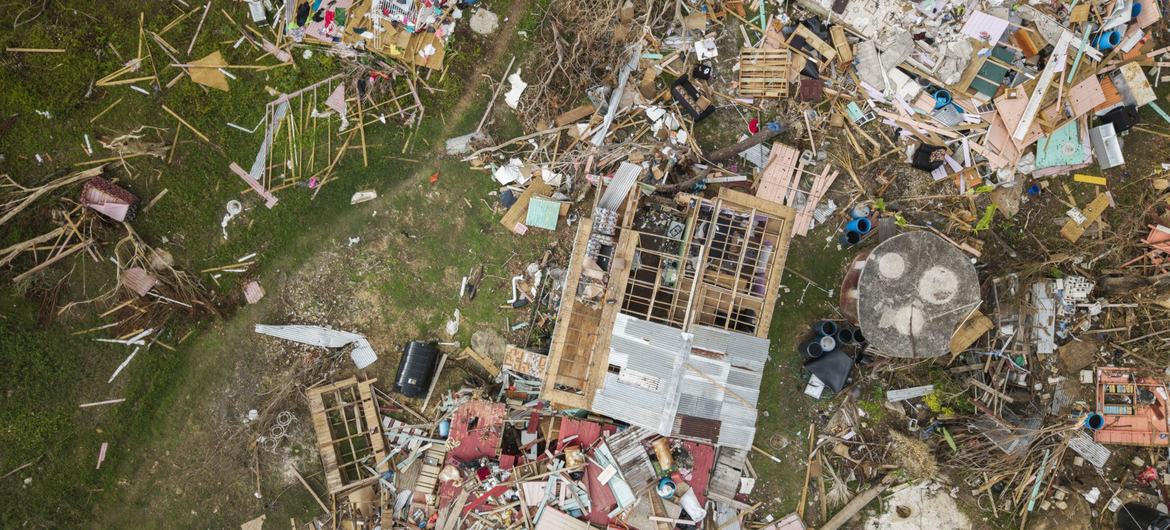
Hurricane Melissa was the worst climate disaster in Jamaica’s recent history. Based on data from the Office of Disaster Preparedness and Emergency Management (ODPEM), it tragically claimed over 45,000 lives, affected more than 625,000 people, left the equivalent of approximately 480,000 truckloads of debris and decimated over 20 per cent of Jamaica’s annual Gross Domestic Product (GDP) with losses amounting to between $8 and $15 billion, according to early estimates.
As I reflect on the last seven weeks, one thing is clear. The difference between effective disaster response and chaos comes down to a single word: coordination.
My Office provides leadership and oversees the UN’s efforts to ensure an impactful and efficient crisis response, coordinating the work of several UN entities on the ground. The decisive action of the Jamaican Government in leading this recovery operation has also been pivotal, ensuring a unified response.
From heeding the early warnings to preparing for the hurricane and managing its aftermath, the UN family and partners have come together, galvanised by a single vision: ensuring the safety and well-being of all Jamaicans.
All hands on deck
Working alongside national authorities, including the Jamaica Defence Force (JDF) and ODPEM, regional and international partners, our UN team’s agencies tapped into their respective fields of expertise to ensure an efficient response.
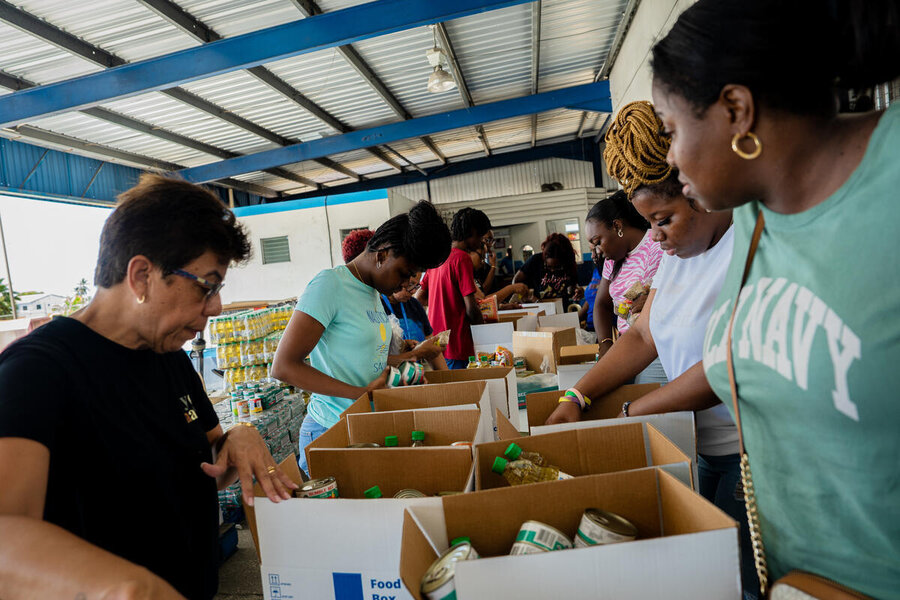
With support from the World Food Programme (WFP), the World Central Kitchen and other food supply partners, 145,000 people were reached with more than 45,000 food kits.
The UN Children’s Fund (UNICEF) produced and delivered over 740,000 litres of water in coordination with Water Mission International and Global Support and Development. UNICEF also signed a Memorandum of Understanding with key partners, including Global Empowerment Mission, Food for the Poor and American Friends of Jamaica, under the Building a Better Jamaica Fund, a project administered by the National Commercial Bank Foundation. The memorandum streamlined the distribution of emergency relief for children and families.
Through the work of the Pan American Health Organization (PAHO), field hospitals and mobile medical teams are now fully operational, providing expanded coverage in high-impact parishes and supporting overstretched local facilities.
The International Organization for Migration (IOM), along with the Government, NGOs and other partners, continues to secure shelters for displaced communities. This work included distributing 14,000 tarpaulins.
As the lead for Early Recovery in the UN Jamaica team, the UN Development Programme (UNDP) mobilised an initial $2 million in Resilient Recovery grants. Guided by Government priorities, UNDP’s recovery will focus on managing debris, supporting small businesses and livelihoods, restoring solar power and enhancing future resilience through risk-informed rebuilding.
These lifesaving humanitarian activities have been quickly expanded in the hardest-hit parishes with a $4 million allocation from the UN Central Emergency Relief Fund (CERF). This financing enables IOM, PAHO, UNICEF and WFP to scale urgent interventions, providing supplies and services to over 835,000 people.
In total, over 60 organizations have joined the UN Disaster Assessment and Coordination (UNDAC) team, which is part of the UN Office for the Coordination of Humanitarian Affairs (UNOCHA). The team ensures effective support during the response phase and assesses damages during reconstruction.
When partners work together, from the Government and UN agencies to local responders and civil society, lives are saved, recovery accelerates and hope is restored.
Coordination is lifesaving, not optional
Without coordination, resources get duplicated in some areas while others are forgotten. Response becomes fragmented. People fall through the cracks. Effective coordination can turn the tide on this.
In the immediate aftermath of Melissa, our nightly coordination meetings at the Jamaica Pegasus Hotel transformed from a handful of responders to standing-room-only gatherings of over 140 humanitarian actors. Collaborating closely with UNOCHA, I documented humanitarian interventions to ensure complementary actions and avoid gaps.
Even as immediate humanitarian aid and assistance are the need of the hour, the UN system is laying the groundwork for long-term recovery, working in concert with national and local partners.
Learning through crises by building back better
As damage assessments continue, Jamaica cannot simply restore what was lost. It must build back better. This will take long-term planning and additional funding.
But most importantly, it must be Government-led with coordinated support from all partners. My role involves representing the UN and co-chairing multilateral meetings. The recovery phase will test our ability to sustain coordination, attract funding, support national leadership and build genuine resilience. My Office stands ready to work with partners in achieving these goals.
The timing is fortuitous. As we support Jamaica's recovery, we are simultaneously developing the UN Multi-Country Sustainable Development Cooperation Framework 2026-2030, covering 22 Caribbean nations. This five-year blueprint must integrate the hard lessons learned from Melissa and last year’s Hurricane Beryl for other Small Island Developing States (SIDS).
The Antigua and Barbuda Agenda for Small Island Developing States (ABAS) offers key strategies that can address the vulnerabilities of Caribbean SIDS. This blueprint outlines a decade-long plan that emphasises regional cooperation with a focus on renewable energy, climate adaptation, disaster risk reduction and environmental protection. Crucially, this Agenda will not take just a Jamaica response but a whole-of-Caribbean response.
The international community also has a key role to play here. Jamaica and other SIDS cannot continue to absorb these devastating blows while their calls for climate adaptation support and financing go unheard. These nations, which can ill afford it, will continue facing the brunt of disasters unless the international community steps up its support.
The path forward
The road to recovery is long and uncertain. Amid the rubble, people are searching for normalcy, dignity and the strength to rebuild.
They will find it. But only if we remain coordinated, committed and present for the long haul.
This blog was authored by Dennis Zulu, UN Resident Coordinator for Jamaica, the Bahamas and Turks and Caicos Islands.
Learn more about the UN's work in Jamaica on the UN team's website.