Beyond Extraction: How Countries are Turning Critical Minerals into Jobs, Skills and Local Opportunity
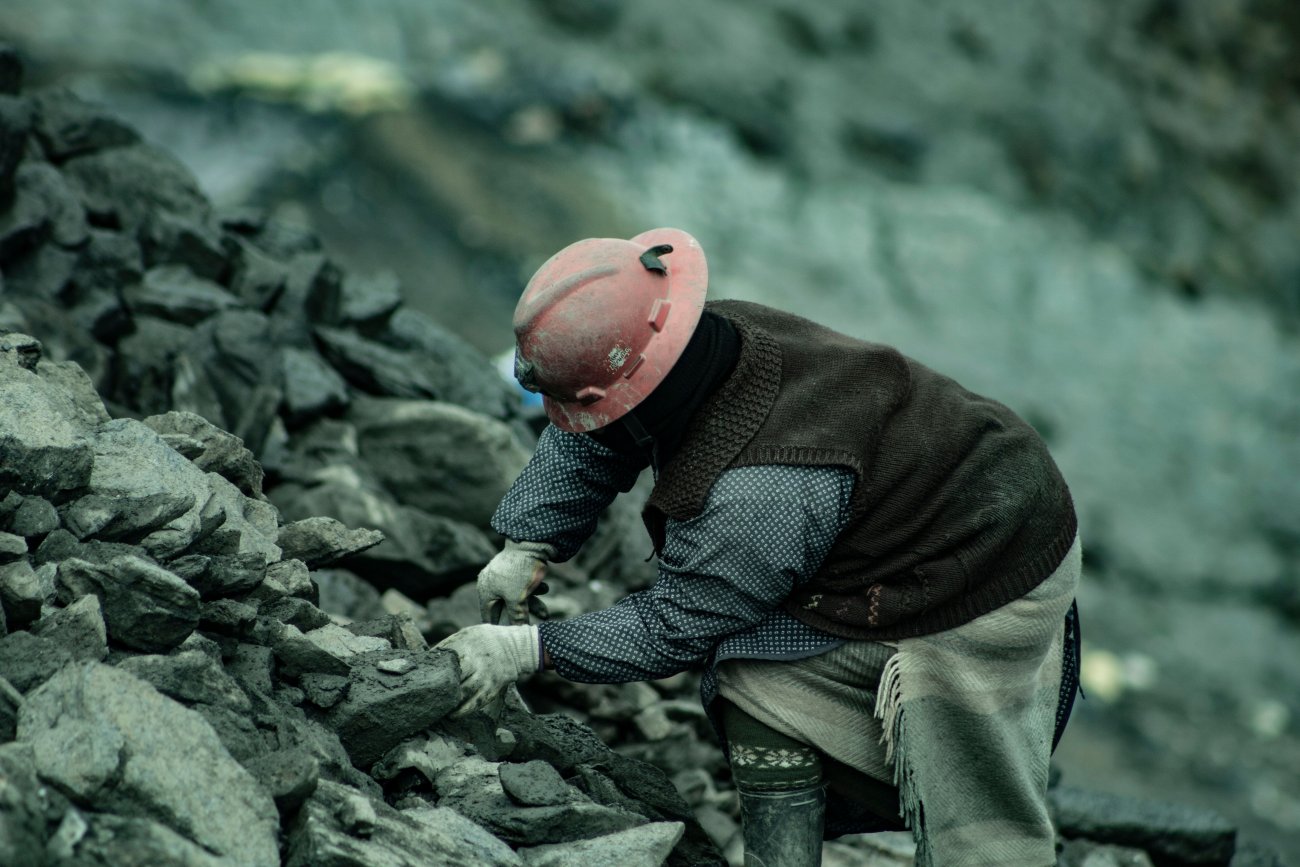
A lithium deposit, a nickel-processing plant or a copper mine can generate billions in exports. But mineral wealth does not automatically mean safer jobs, skilled workers, competitive local businesses or better lives for the communities living closest to it.
That is the central development challenge facing mineral-producing countries as global demand rises for the materials powering batteries, renewable-energy systems and electricity networks. In an earlier article, we asked whether countries could build the skills, institutions, energy systems and public trust needed before new processing plants opened. Across several critical-mineral economies, that work is already beginning, and it looks different in every country.
In Argentina, social dialogue is helping prepare workers and communities for the lithium economy. Indonesia is connecting nickel production with cleaner industry and manufacturing. Kazakhstan is strengthening the governance, labour and environmental systems surrounding mineral development.
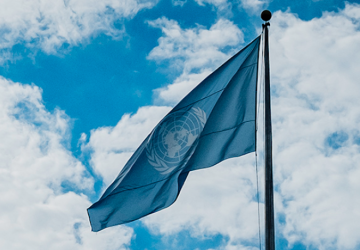
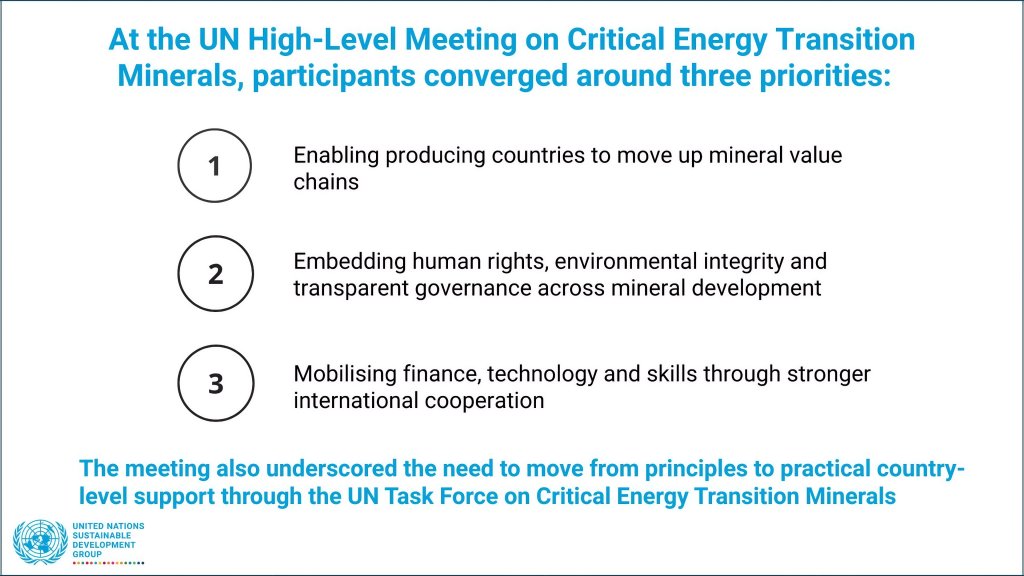
These country-level efforts reflect a wider international shift from extracting minerals to building fairer and more sustainable value chains. That shift was at the centre of the UN High-Level Meeting on Critical Energy Transition Minerals, held on 14 July during the High-Level Political Forum on Sustainable Development.
Ultimately, the value of critical minerals should be measured not only in tonnes extracted or exported, but in what they make possible: safer and more decent work, opportunities for local businesses, stronger public revenues, environmental protection and a meaningful voice for communities in decisions affecting their land, water and livelihoods.
So what does it take to translate these ambitions into action? The following examples show how countries, with support from UN teams on the ground, are beginning to answer that question.
Argentina: Preparing workers and communities for the lithium economy
In Argentina’s lithium-producing north, workforce development is being linked with community participation and social dialogue. The UN Resident Coordinator’s Office (RCO) brings together a series of efforts by the UN Country Team (UNCT) to promote a more inclusive, sustainable and coordinated approach to lithium development.
The International Labour Organization (ILO) helped strengthen the Tripartite Commission on Equal Opportunities in the Lithium Sector in Catamarca, Salta and Jujuy by supporting dialogue between governments, employers and workers.
This platform promoted decent work opportunities in the sector, focusing on three areas: addressing skills challenges, strengthening linkages between multinational enterprises (MNEs) and local communities, and advancing gender inclusion.
In the northwestern province of Jujuy, the UN Development Programme’s (UNDP) “Los Expertos del Litio” initiative supports dialogue on environmental, social and governance issues between the government, employers, workers and Indigenous communities. Meanwhile, the Economic Commission for Latin America and the Caribbean (ECLAC) is helping lithium-producing provinces improve how they manage public revenues (fiscal governance). This includes helping the Mesa del Litio develop economic and financial models to assess project profits and the share of revenue received by the state, training officials to use these models, and promoting more consistent fiscal rules across provinces. ECLAC also helps identify opportunities to strengthen local industries and add value along the lithium supply chain, with the aim of diversifying provincial economies and building capabilities that create benefits beyond mining.
Indonesia: Moving from nickel extraction to cleaner manufacturing
As the world's largest producer of nickel, Indonesia is pursuing an ambitious vision to transform its critical mineral wealth into a foundation for energy security, growth and participation in the global clean-energy economy.
The UN supports this nationally-led vision through its Cooperation Framework, the main plan that sets out the country’s development priorities and how UN agencies will work together to support them. Under this framework, three agencies bring complementary expertise to help ensure that critical mineral development advances Indonesia's objectives for industrial transformation, decent work and environmental sustainability.
The UN Industrial Development Organization (UNIDO) is working with industrial parks and the private sector to help build internationally competitive industries around critical minerals, promoting cleaner production, world-class industrial standards and greater value addition across mineral value chains. The ILO is supporting occupational safety and health in mining and mineral processing, alongside efforts to promote decent work, green skills and a just transition for workers.
Drawing on lessons from Indonesia's efforts to develop critical mineral value chains, the UN Environment Programme (UNEP) is developing a South-South cooperation initiative on critical energy transition minerals to help share experience with countries in Latin America and Africa. This initiative emphasises sustainable extraction, environmental safeguards, responsible mineral governance and lower-carbon mineral processing.
Kazakhstan: Strengthening environmental, labour and corporate standards
The UN is helping Kazakhstan manage the economic, social and environmental impacts of its expanding critical raw materials sector, supporting growth while protecting workers, communities and ecosystems.
The Resident Coordinator’s Office has brought UN entities together to map existing activities, identify gaps and develop a more coordinated programme of support. This is also informing cooperation with international partners: following a joint dialogue between the European Union and the UN, critical minerals were identified as a potential flagship initiative within the UN Country Team’s economic portfolio.
Across the region, the UN Office on Drugs and Crime (UNODC) and the UN Economic Commission for Europe (UNECE) are helping strengthen governance and address corruption and illegal activity in mineral supply chains. In Kazakhstan, UNDP is promoting corporate responsibility and safeguards for mining-affected communities; UNEP is advancing repair, recycling and the recovery of critical materials from electronic waste; and ILO is supporting safer working conditions, stronger labour standards and dialogue among government, employers and workers.
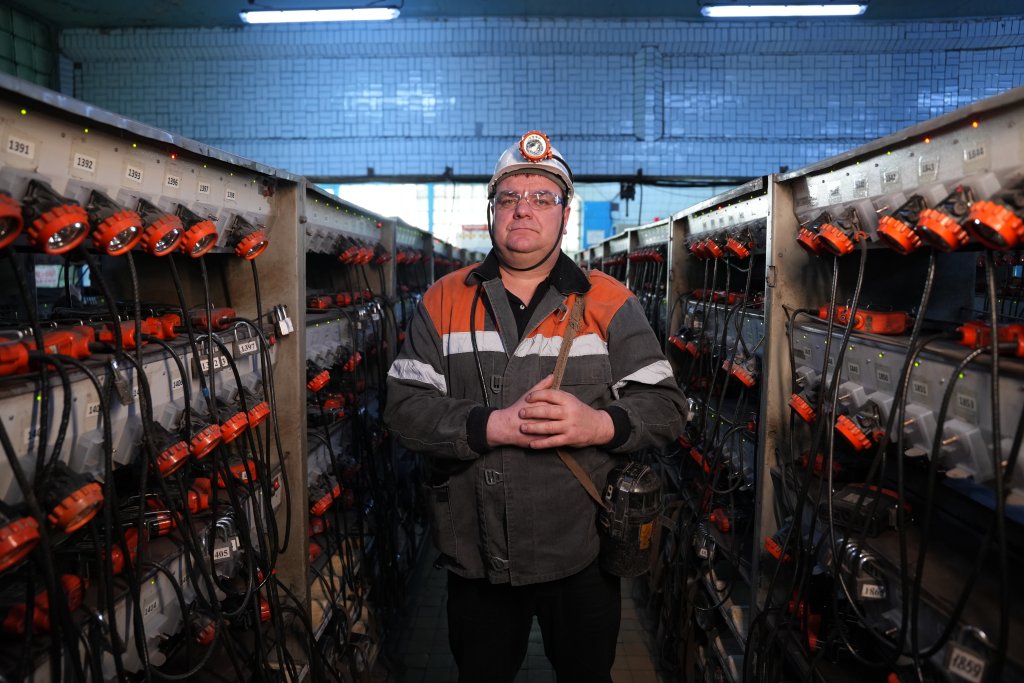
Across these countries, the approaches differ, but the test is shared: whether rising mineral demand delivers safer work, stronger local economies and greater public trust. Working with governments, communities and national partners, UN country teams are helping connect international commitments with the institutions, skills and partnerships countries need to act.
What are these countries doing differently?
Across these examples, four lessons stand out. Countries are starting earlier by building skills and governance systems before investment accelerates. They are connecting mining with wider industrial, energy and employment strategies. They are bringing workers, businesses and affected communities into decision-making. And they are coordinating expertise across government, the UN system and development partners rather than treating each challenge separately.
The approaches vary because mineral endowments, institutions and development priorities differ. But the principle is consistent: value addition is not achieved by building a processing plant alone. It depends on the national capabilities, local enterprises and public institutions built around it.
The question is no longer only whether countries will be ready before the processing plants open. It is whether the investments being made now will allow people and communities to participate in and shape the prosperity those plants promise.
Looking ahead: natural-resource governance also has implications for peace and security. A Security Council open debate on 22 July will examine how natural resources can support stability and shared prosperity, or deepen inequality, tension and conflict.
An abundance of resources is one form of wealth. Shared, sustainable prosperity is the legacy worth building.





Latest news and updates