A Coordinated UN Response Supporting Earthquake Relief and Recovery in Colombia
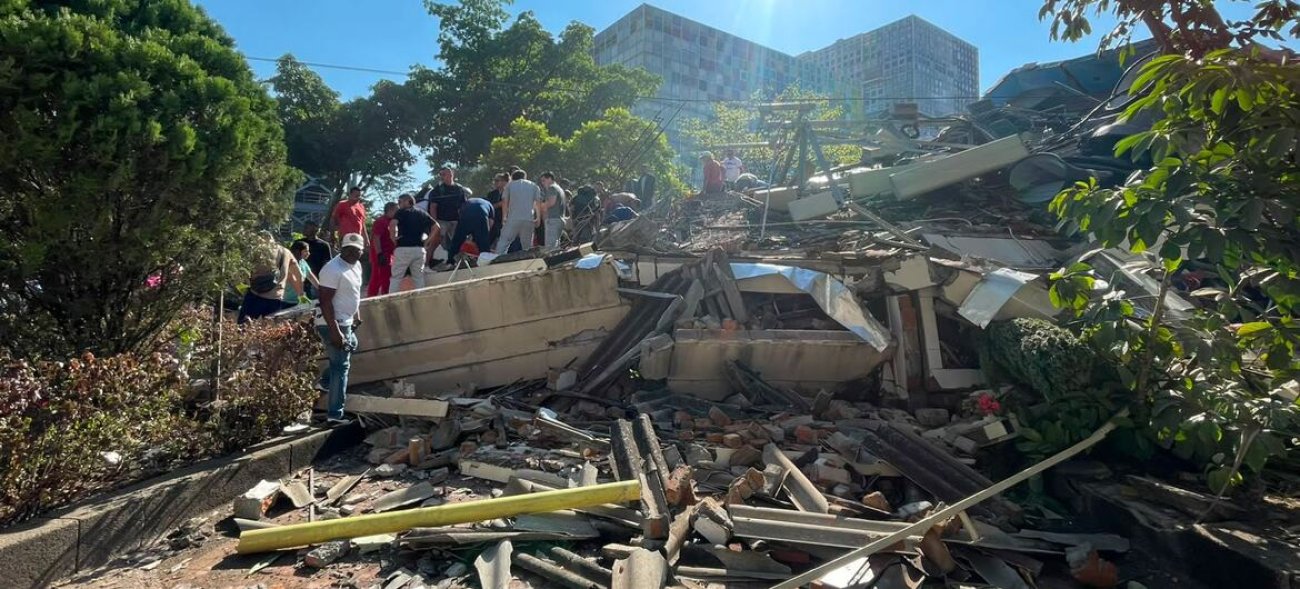
UN teams and humanitarian partners are supporting temporary shelter, health care, food security, protection and the delivery of emergency supplies in areas affected by the 7.4-magnitude earthquake that struck Colombia on 10 August.
- The UN Resident Coordinator in Colombia is coordinating the UN Country Team’s support to the Government-led earthquake response, working closely with national authorities and other partners.
- The response is drawing on humanitarian capacities already in place across the country, including emergency supplies, logistics, health coordination and UN personnel in affected areas.
- Alongside the immediate response, the UN is supporting structural damage and socioeconomic assessments to help determine the scale of needs.
The UN and humanitarian partners are supporting the Government of Colombia following a 7.4-magnitude earthquake that struck the country on 10 August, affecting 14 of 32 departments, causing loss of life, injuries and significant damage.
Briefing journalists from Bogotá, the UN Resident Coordinator in Colombia, María José Torres Macho, said the scale of the disaster was still becoming clear, particularly in rural and remote areas where assessments were continuing.
“The impact of this earthquake is bigger than they were expecting,” she said, noting that the situation was evolving quickly as new information came in.
Communities face mounting humanitarian needs
At the time of the briefing by the Resident Coordinator, official figures indicated fatalities, injuries and people reported missing. Those figures were expected to change as assessments continued, particularly in rural and remote areas where the full extent of the impact was still unclear.
Homes have been damaged or destroyed, leaving families in need of temporary shelter and basic assistance. Health, food security and protection are also among the main concerns identified by humanitarian partners. Some affected communities are in areas already facing conflict-related pressures, compounding existing vulnerabilities.
While the earthquake was widely felt in Bogotá, no significant structural damage was reported thus far. The situation is more serious in other parts of the country, where humanitarian teams are still working to establish the scale of damage and needs.
“Everything that I’m reporting right now is going to be evolving as we speak, and we are constantly updating,” the RC Torres Macho said.
UN coordinates support around the government-led response
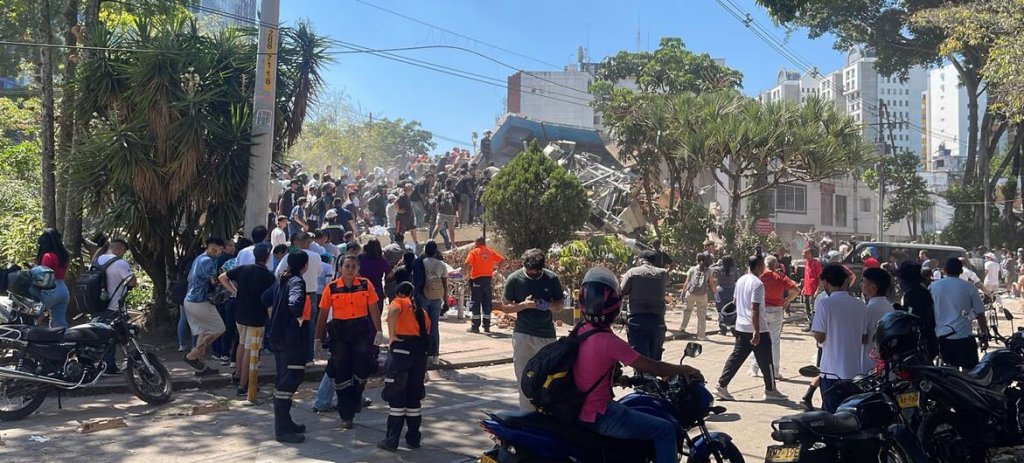
The Government of Colombia is leading the emergency response, with the UN Country Team (UNCT) and humanitarian partners working alongside national and local authorities to reinforce this work.
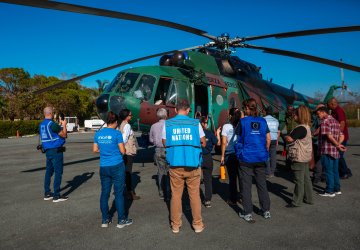
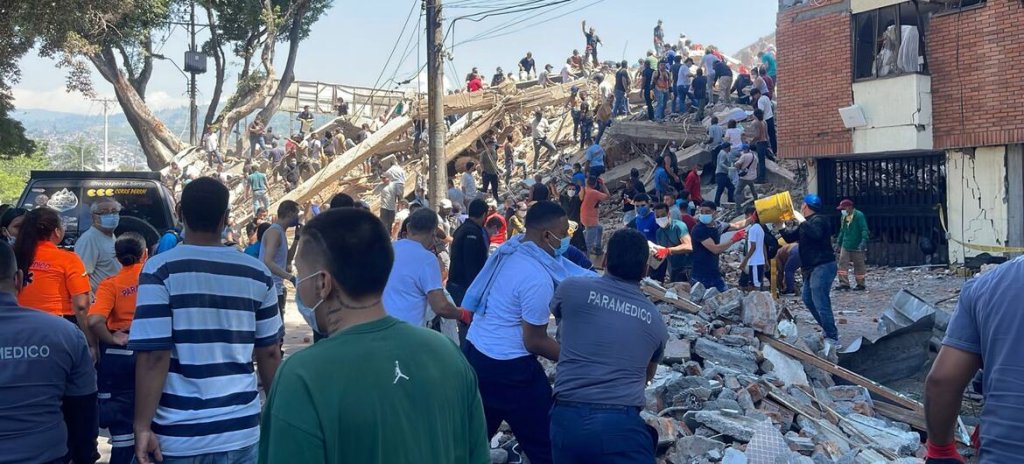
Search and rescue remain a priority, while partners are also responding to needs around shelter, health, food security and protection. Additional UN staff are being deployed from Bogotá to strengthen coordination in affected areas.
“We absolutely want to make sure that any response is complementary. We are not duplicating efforts,” the RC Torres Macho said, pointing to close coordination with mayors, governors and other local authorities.
The UNCT is also coordinating with the UN Verification Mission in Colombia, which has a presence in some of the affected areas. That existing footprint is helping connect national-level coordination with local authorities and communities on the ground.
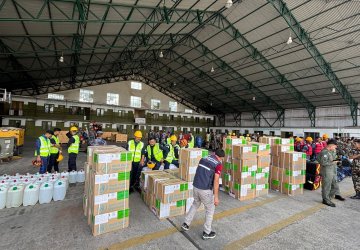
The response is drawing first on humanitarian capacity already available in Colombia. Emergency supplies related to water, shelter and protection can be redirected to affected areas, while warehousing capacity operated by the World Food Programme (WFP) is available to support the wider humanitarian community.
The health response is being coordinated with Colombia’s Ministry of Health, while the UN and partners are reviewing how existing resources can be realigned as needs become clearer.
Particular attention is also being given to women, including pregnant women and children. The UN Population Fund (UNFPA) and UN Children’s Fund (UNICEF) are utilising their existing capacities on the ground to address the needs of these groups.
UN support looks ahead to recovery
Alongside the immediate humanitarian response, the UN is supporting efforts to better understand the scale and impact of the earthquake.
Remote-sensing tools and other assessment methods are being used to examine structural damage and the socioeconomic impact of the disaster. Initial results are already being produced, while assessments are continuing, particularly in rural and remote areas where the full extent of the impact is not yet known. These assessments will contribute to a clearer understanding of needs and priority areas, supporting coordination between national authorities, the UN and humanitarian partners.
RC Torres Macho said the UN’s ability to respond quickly has been supported by its existing presence in Colombia and its close working relationships with national institutions and local authorities.
As assessments continue, that same coordination will be important in shaping the next phase of support, from addressing immediate humanitarian needs to restoring services and helping affected communities recover from the longer-term effects of the earthquake.
The priority remains reaching those most affected while ensuring that the response underway today also provides a foundation for recovery.
Please visit the UN team's website for more information about the UN's work in Colombia.