Cuba: Being There When it Matters Most
As his mission comes to an end, United Nations Resident Coordinator in Cuba Francisco Pichón reflects on some of the experiences and lessons that have shaped his tenure.
Every mission leaves its mark. But some countries demand more than the fulfillment of our RC role: they demand a commitment to their history, their trajectory, their challenges… I am not sure how to explain it better, but serving in Cuba has been that for me.
To work in Cuba is to engage daily with its unique and complex history, to understand its weight, its contradictions and its enduring hope. As Resident Coordinator, I arrived convinced that the United Nations’ support had to match Cuba’s dignity, its trajectory and its complexity. That is a commitment that cannot be improvised, it must be embraced and renewed through experience.
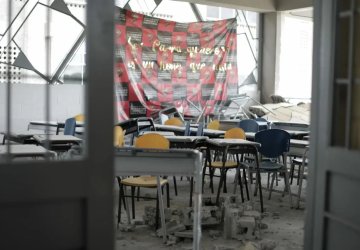
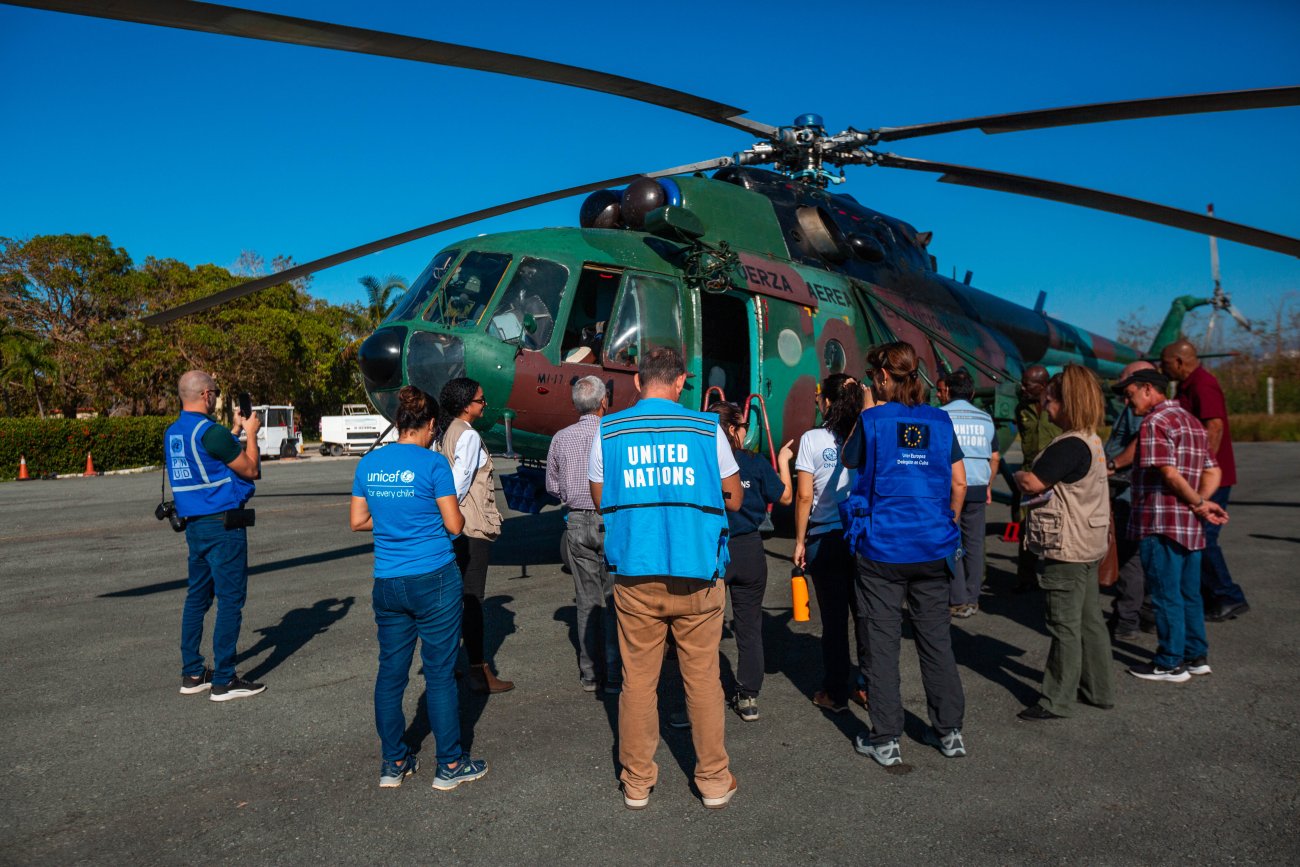
I remember the days following Hurricane Melissa, when we travelled through some of the hardest-hit rural communities in Santiago de Cuba alongside Cuban Civil Defence and colleagues from the UN Office for the Coordination of Humanitarian Affairs (OCHA). We encountered broken bridges, flood-ravaged plantations and homes reduced to rubble. Hardly had the storm passed when Civil Defence was already there — clearing roads, organizing cleaning brigades, turning schools into shelters — and communities mobilised around them: families cooking for neighbours and sharing what little they had.
Through an anticipatory action mechanism, the first of its kind in Cuba, supported by OCHA and the Central Emergency Response Fund (CERF), food, water tanks, medicines and other essential supplies reached affected families with remarkable speed. But the real response came from the people themselves, guided by a Civil Defence that knew every road and every family. Through their gestures and their hands clasped in ours, they transformed a simple word into something far greater: "thank you."
I have heard that word many times over the past four years. As I look back on the experiences and lessons that have shaped my mission, I want to return it, with the same warmth and conviction, to our national counterparts, our cooperation partners, every member of the UN Country Team and the thousands of Cuban women and men I had the privilege of meeting along the way.
Trust: a strategic asset
The results of cooperation are often measured in funding mobilised, projects implemented and people reached. Yet we do not always give sufficient weight to the intangibles.
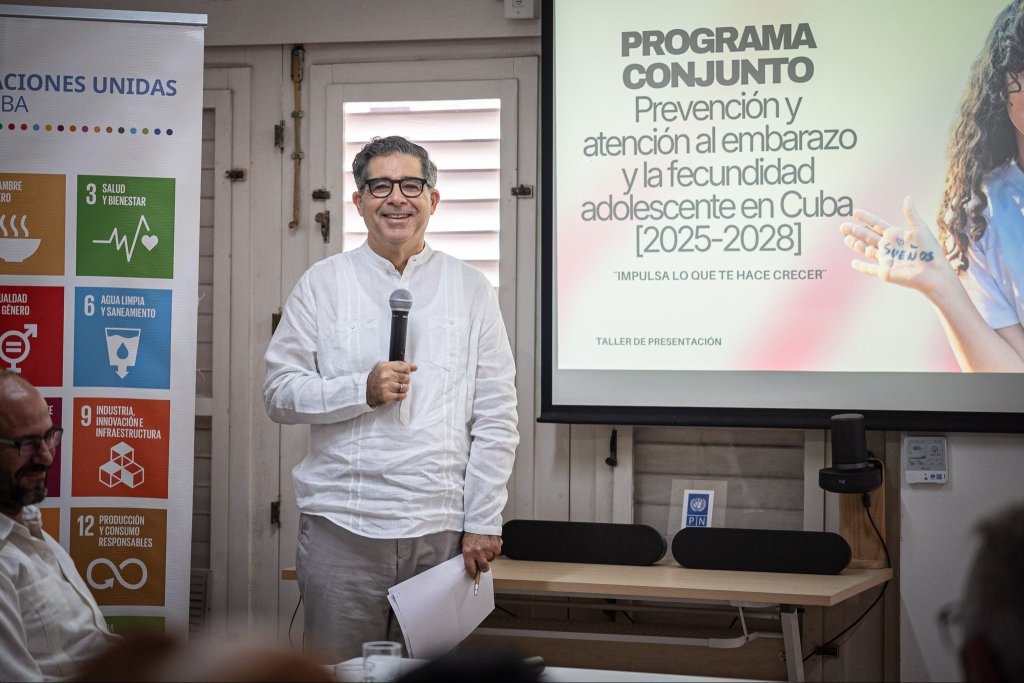
Beyond projects and mobilised funding, the most important thing is presence. Staying when it is difficult. Listening through tensions. Working together to build solutions — always putting people at the centre.
The challenges facing sustainable development in Cuba require us to move beyond conventional formulas and unlock people's capacity for innovation. I like to think that we have contributed to that effort not only through technical expertise and access to international standards, but also by listening, understanding, disagreeing when necessary and helping to shape solutions adapted to the complexities of the Cuban context.
The trust built with the country has not been forged solely through shared visions and policy dialogue. It has also emerged through everyday work: standing alongside those at risk of being left behind, bringing diverse actors together around common goals and steadily strengthening our partnerships. I have found in our counterparts open interlocutors, willing to listen, to disagree when needed and, above all, to seek solutions even when circumstances seemed to leave little room.
That trust, built through work and mutual respect, constitutes one of the main assets of cooperation between Cuba and the United Nations.
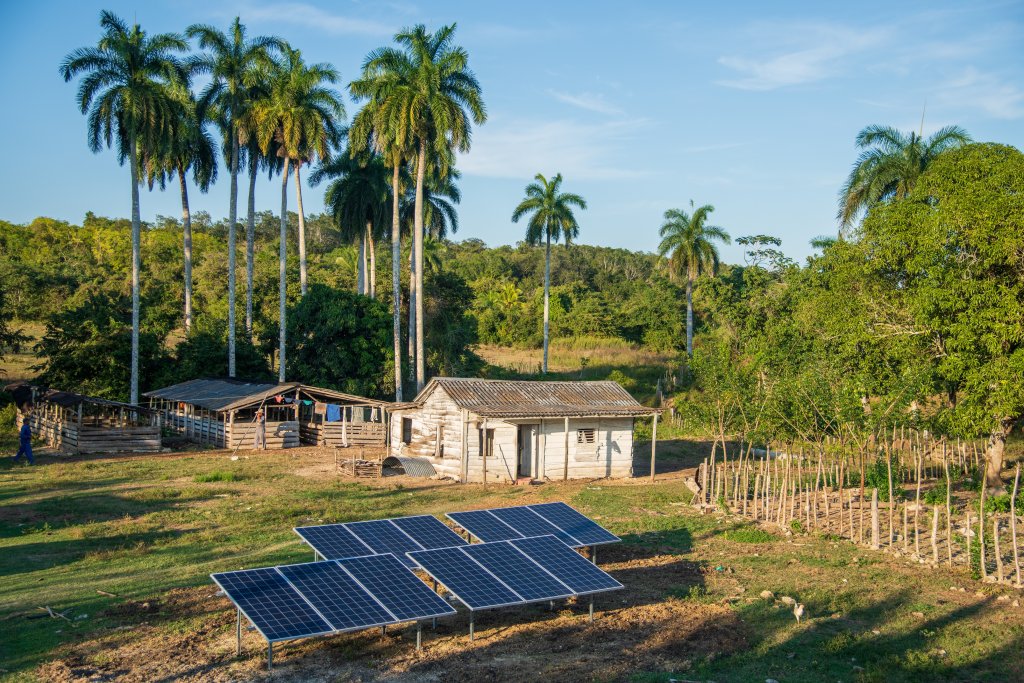
At the centre, not the periphery of development challenges
Trust reaches its fullest value when it allows us to move faster and with greater purpose. Guided by that conviction, we developed the 2026–2030 Cooperation Framework through a dialogue process involving around 50 national institutions over more than a year.
As a result, new opportunities have opened for the UN system in Cuba. Issues traditionally absent from international cooperation, such as macroeconomic management and public finance, together with innovative approaches to productive transformation and social protection, are now part of a more ambitious agenda.
The Cuban context has reinforced a fundamental lesson: the more complex the challenges, the greater the need to align capacities, mandates and expertise. No single agency can address problems that simultaneously affect the economy, social protection, food security, energy and climate action. The strength of the UN system lies precisely in its ability to work as one.
This is what we have done in particularly sensitive areas such as development financing, shaped by nearly seven decades of external sanctions and chronic constraints in accessing international financial markets. During the 2020–2025 Cooperation Framework cycle, the UN mobilised $418.5 million while opening new opportunities for access to financing, climate funds and innovative financial instruments, bringing together the capabilities of resident and non-resident agencies around shared objectives.
In 2026, we began a new cooperation cycle with half of the required $451 million already mobilised. Yet once again, I prefer to measure success not by numbers, but by our ability to remain present and relevant in a context where simply sustaining basic services and protecting livelihoods has become an achievement in itself. Ultimately, success lies in a shared determination to remain at the centre, not the periphery, of development challenges — even when the horizon offers cautious room for optimism.
Alongside its long-term development work, the UN in Cuba has also supported disaster response and recovery. During my time here, the country was struck by at least four major hurricanes and two earthquakes. Between 2022 and 2026, five allocations from CERF, amounting to approximately $60 million mobilised through three Action Plans with the support of our partners. These may be modest figures compared with the scale of needs, yet they remain significant in a context of severe financial constraints.
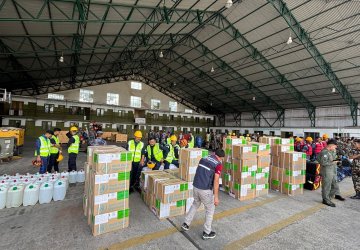
In many cases, the challenge has not simply been mobilising resources, but ensuring that medicines, medical equipment, water treatment systems and other essential supplies reach the communities that need them most. Humanitarian response, however, is not only about repairing damage and restoring services. It is also about rebuilding hope — even when hope feels like a luxury.
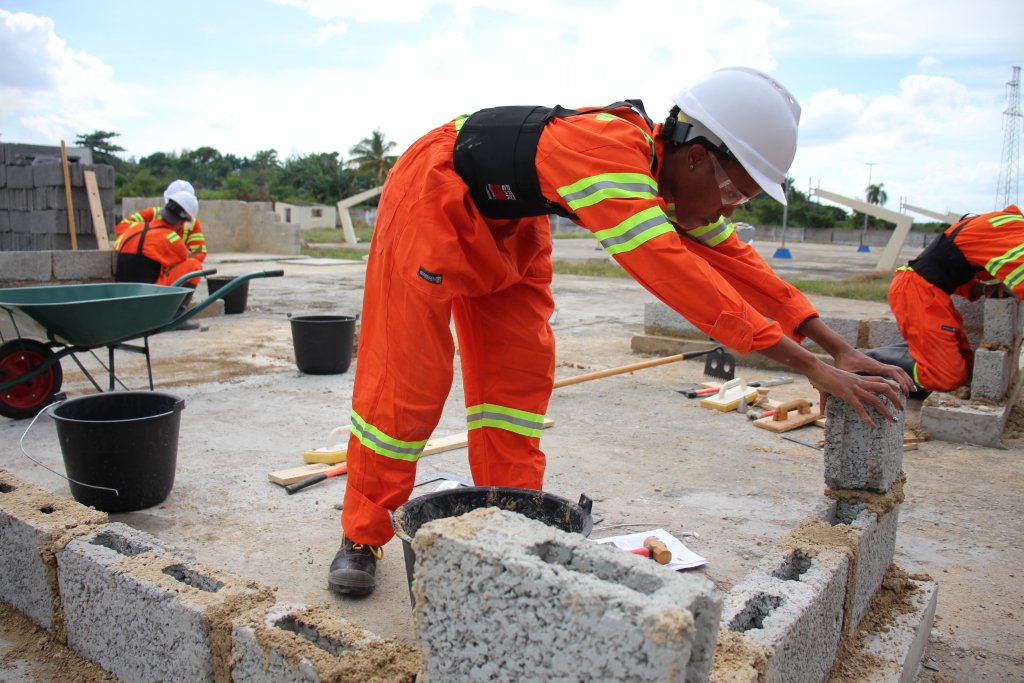
Turning advocacy into action
The implementation of the 2026–2030 Cooperation Framework has coincided with a new sanctions environment for Cuba. These measures are now concentrated in strategic sectors such as energy, mining, tourism and finance. The result has been deeper economic contraction and an unprecedented energy crisis, with increasingly severe humanitarian consequences for millions of people.
I have always believed that Cuba deserves a more informed international conversation, one free from stereotypes and preconceived narratives. In recent months, that conviction has taken on new urgency. Whether in an op-ed published in The Guardian or during press briefings in New York, I have consistently stressed that the energy crisis has become the country's main multiplier of humanitarian risks.
No bombs are falling on Cuba. Yet the silent impacts of a prolonged crisis are visible everywhere: postponed surgeries, including those of 11,000 children; rising infant mortality rates, increasing in Havana alone from 5.3 in 2020 to 14.2 in 2026; pregnant women facing disruptions in prenatal care; delayed vaccination programmes; and millions of people impacted by interruptions in access to safe drinking water.
We have spoken out about humanitarian supplies stranded for lack of fuel. We have strengthened partnerships with the private sector to move blocked shipments. We have worked with different parts of the UN system and with Member States to secure unhindered access to humanitarian fuel, essential for maintaining the continuity of our operations.
Advocacy is an inherent part of my role as Resident Coordinator, and in times of crisis it has become an indispensable tool. A prolonged crisis cannot be allowed to become a forgotten crisis — and that is why speaking out matters.
But advocacy reaches its fullest value when it leads to structural solutions; when it becomes a catalyst for regional and global consensus; when messages resonate across influential actors around a shared sense of urgency; and when mobilisation and action help uphold international law and the principles of the United Nations Charter.
Beyond dialogue and diplomatic engagement, I remain convinced that every day that passes without a real solution to the current humanitarian situation adds to a debt owed by the international community to the Cuban people — a debt that the United Nations, as part of that community, cannot fully discharge but must continue to acknowledge through its presence and work.
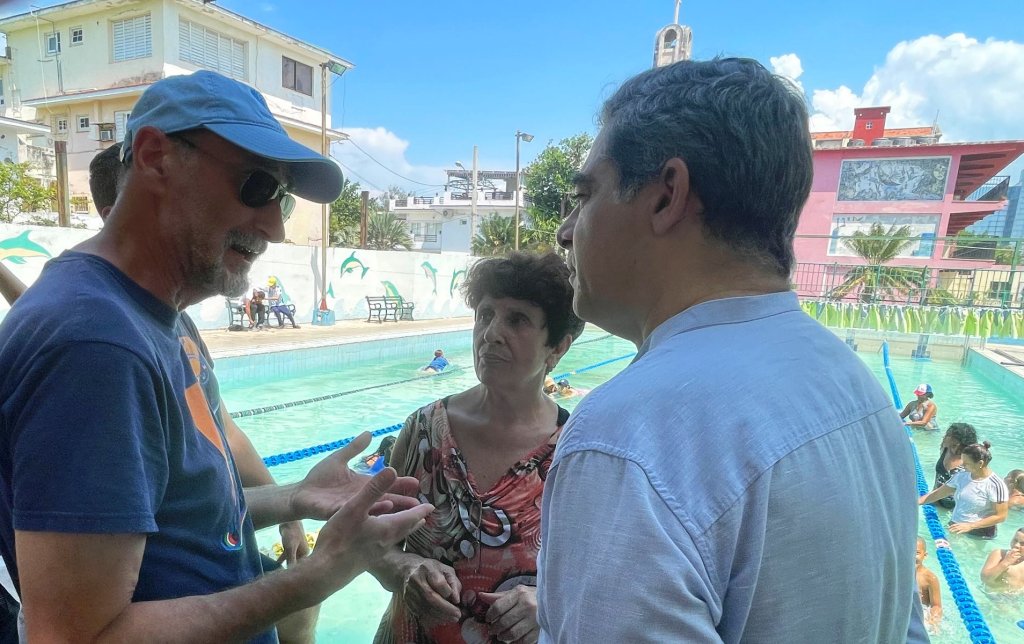
I take the country with me
As this mission ends, I leave with projects and lessons, but above all, with the people I met along the way. The conversations in hurricane-affected communities. The quiet commitment of activists and civil society. The openness of national counterparts and partners. The creativity of women and young people. The resilience of a people that continues to flourish in the most difficult circumstances.
These years have taught me a simple truth: the most important thing is to be there when it matters most. To stay when it is difficult. To listen before acting. To build solutions together, with the commitment to leave no one behind.
Serving in Cuba has been a privilege, a deep sense of belonging and connection to its history. A tribute to its people and to that love for life that never surrenders. There are lights that no adversity can extinguish.
Cuba is far more than a place on a map. It is a way of understanding the world, a life-changing experience and a reality I will carry with me wherever I go.
And for as long as I can, I will keep telling its story.
Please visit the UN team's website for more information about the UN's work in Cuba.





Latest news and updates