Montenegro Envisions a Future for Everyone
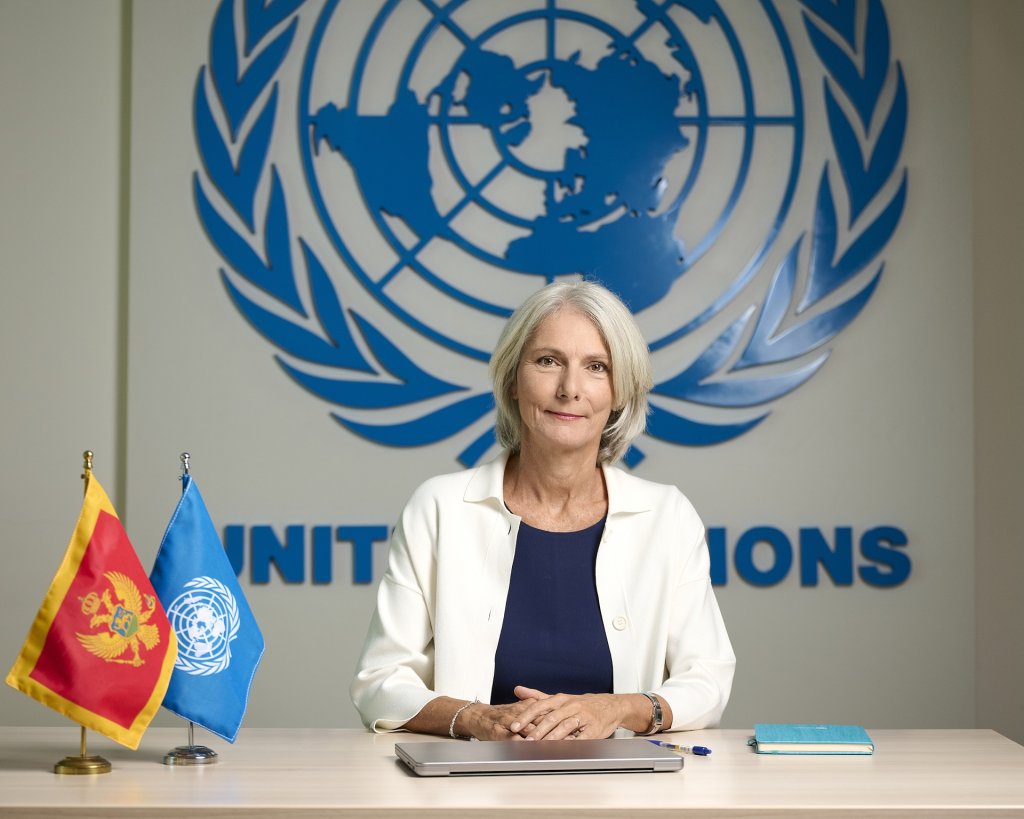
Caroline Tissot, UN Resident Coordinator in Montenegro, reflects on how the country is ensuring that everyone, from women and girls to young people and rural communities, can see themselves in the development gains being achieved.
This year marks two decades since Montenegro regained its independence and joined the United Nations. Over the past 20 years, the country has become an active member of the international community while advancing sustainable development at home. It was among the first countries to integrate the Sustainable Development Goals (SDGs) into its national development strategy, recognising early that progress must be measured not only by policies adopted, but by the difference they make in people's everyday lives.
That is the essence of the UN's commitment to leaving no one behind. It is both a moral responsibility and a practical one, because talent is universal but opportunities are not. The next innovator, entrepreneur or leader may come from a remote village, an overlooked household or a child whose potential simply needs the chance to flourish.
A future that includes everyone
Since arriving in Montenegro, I have met unemployed young people wondering whether their future lies elsewhere, women overcoming social barriers, persons with disabilities striving for greater independence, older people in areas with outward migration and migrants and refugees rebuilding their lives. I have also met remarkable people in communities, civil society and public institutions who are quietly driving change.
None of these challenges are unique to Montenegro. Yet what continues to strike me is the country's optimism and determination to move forward.
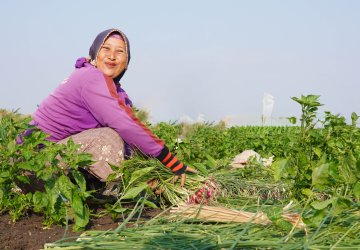
I often think of a woman entrepreneur I met in northern Montenegro. While many people in her region leave in search of opportunities, she is creating them right at home. By transforming her family farm into a welcoming guesthouse offering authentic local products, she has built a successful business while helping visitors discover the region’s richness.
I was equally inspired during a visit to a community centre for children with disabilities, where the dedication of parents and professionals showed how much can be achieved when people receive the support they need within their own communities.
This is where the UN works alongside the Government of Montenegro. Across our UN Country Team, agencies bring complementary expertise – whether it is the UN Children’s Fund (UNICEF) helping children thrive, the International Labour Organization (ILO) supporting young people's transition into decent work, the UN Development Programme (UNDP) advancing inclusive governance, the UN Educational, Scientific and Cultural Organization (UNESCO) protecting cultural heritage, the Food and Agriculture Organization (FAO) supporting rural women, the Office of the UN High Commissioner for Human Rights (OHCHR) navigating the fight against the hate speech, the World Health Organization (WHO) strengthening health systems, the International Organization for Migration (IOM) supporting migration governance or the UN High Commissioner for Refugees (UNHCR) reaching asylum seekers and refugees.
The strength of the UN lies in bringing this expertise together to support solutions that no single organization could deliver alone. Working together with Government institutions, civil society and development partners in support of national priorities, communities and reforms, we can address challenges with more coordination and efficacy.
Investing in children and young people
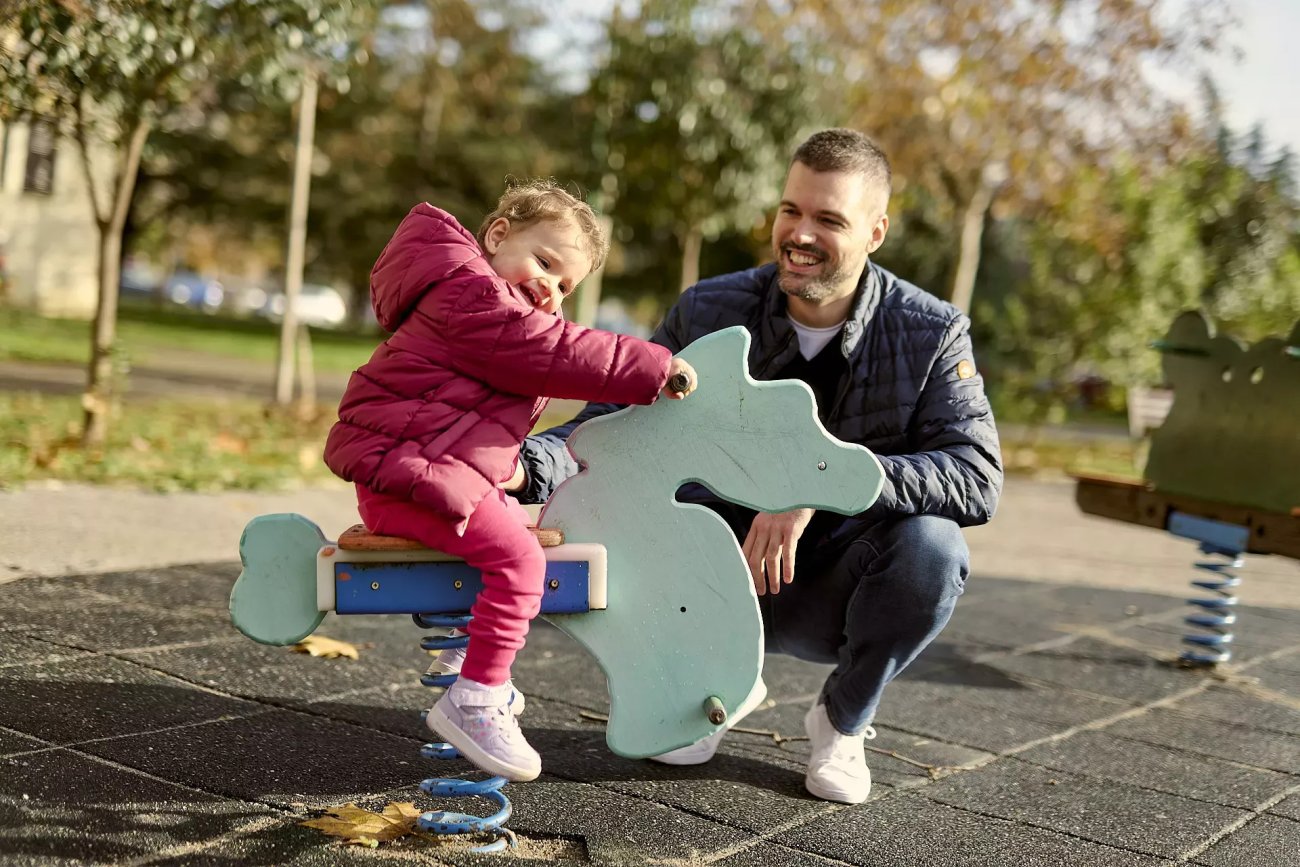
Children and young people are often described as the future, but they also want opportunities today. They need quality education, meaningful employment and reasons to believe they can build their lives in the communities they call home.
Every child deserves to grow up in a loving family, and every young person deserves the chance to fulfil their potential. Investing in children and youth is therefore not simply a social responsibility. It is one of the smartest investments any country can make.
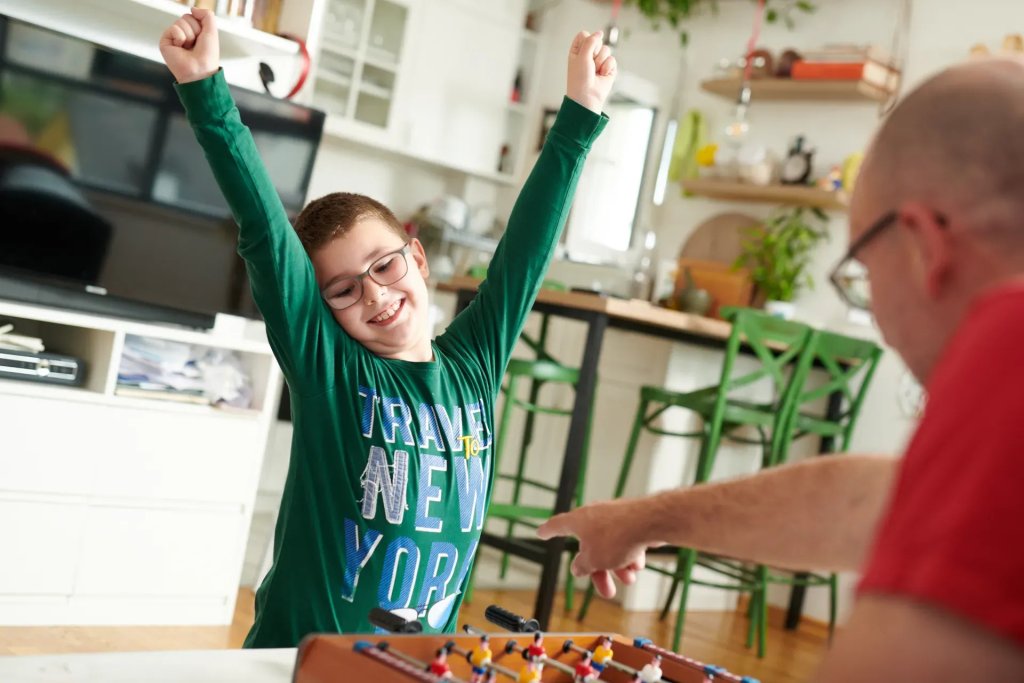
- Growing up in a family: Montenegro has continued its transition from institutional care towards family and community-based support. With UNICEF's support, implementation of the Deinstitutionalization Strategy has reduced the number of children living in residential institutions to the lowest level on record. Today, more children, including children with disabilities, are growing up in family environments.
- Preparing young people for the future: In 2025 alone, nearly 50,000 children and youth benefited from improved access to skills development and lifelong learning opportunities. Through initiatives such as UNICEF's Prilike programme, young people gained career guidance, practical experience and stronger connections with employers.
- Building pathways to decent work: Supporting young people does not end with education. Together with the Government, the ILO has helped lay the foundations for implementing the EU Youth Guarantee, connecting young people with employment, education, apprenticeships and training opportunities.
Montenegro will be shaped by the opportunities it creates for its youngest generation today. When every child and young person has the chance to thrive, everyone moves forward.
Advancing equality for women
One lesson I have learned throughout my career is that no society can reach its full potential if half of its population faces barriers to participation, leadership or economic opportunity. Gender equality goes hand-in-hand with youth empowerment.
- Preventing violence: With UN support, Montenegro is advancing reforms that strengthen protection for survivors, align national policies with international standards and, importantly, move towards recognising femicide as a distinct criminal offence.
- Leadership and decision-making: Progress is also reflected in the country's commitment to women's leadership. In 2025, UNDP supported the introduction of a 40 per cent quota for women in political and corporate decision-making, while gender equality principles were integrated across 25 laws and national strategies. These reforms recognise that equality is not a standalone issue, but a responsibility shared across institutions.
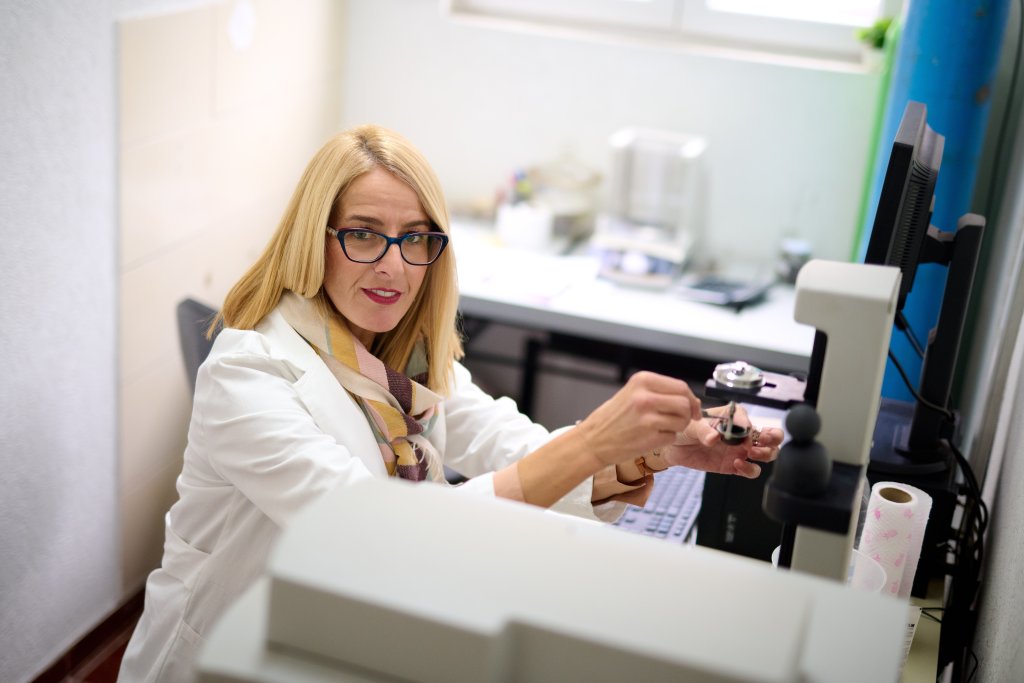
- Unlocking economic potential: Women's economic empowerment is equally important. With support from FAO and UNDP, Montenegro is expanding opportunities for women entrepreneurs and rural women, strengthening labour protections and encouraging greater participation in science, technology, green and digital sectors.
Ultimately, gender equality is not only about inclusion. It is also a wise choice – when women thrive, societies thrive. It’s about building systems and incentives that allow people to make their own choices.
Creating opportunities across the country
Whenever I travel across Montenegro, I am reminded that some of the country's most inspiring ideas emerge far from its largest cities. By investing in her community instead of leaving it, the entrepreneur I met in the north of the country has created jobs, welcomed visitors and shown that innovation can flourish anywhere when people are given the opportunity.
For me, this is what inclusive development looks like in practice: helping communities unlock their own potential and ensuring that possibility is not defined by geography. Our role as the United Nations is to support those efforts by working with national and local partners to strengthen public services, encourage local initiatives and expand opportunities.
A new type of measurement
Montenegro's development journey shows that sustainable progress is measured not only by stronger institutions or better policies. It is measured by whether young people can imagine a future at home, whether every child grows up in a safe and supportive family, whether women can live free from violence and discrimination.
In two decades of partnership with the UN, Montenegro has not only benefited from international cooperation but has also contributed valuable experience and knowledge to shared challenges. Much has been accomplished, and much remains to be done. But the direction is clear: a society that is more inclusive and better prepared for the future.
That is why I remain optimistic about Montenegro's future and what we can continue achieving together.
This blog was adapted from an interview conducted with Daily Vijesti. Please visit the UN team's website for more information about the UN's work in Montenegro.





Latest news and updates