A Quiet Strength: What Cabo Verde’s Elections Teach Us About Democracy
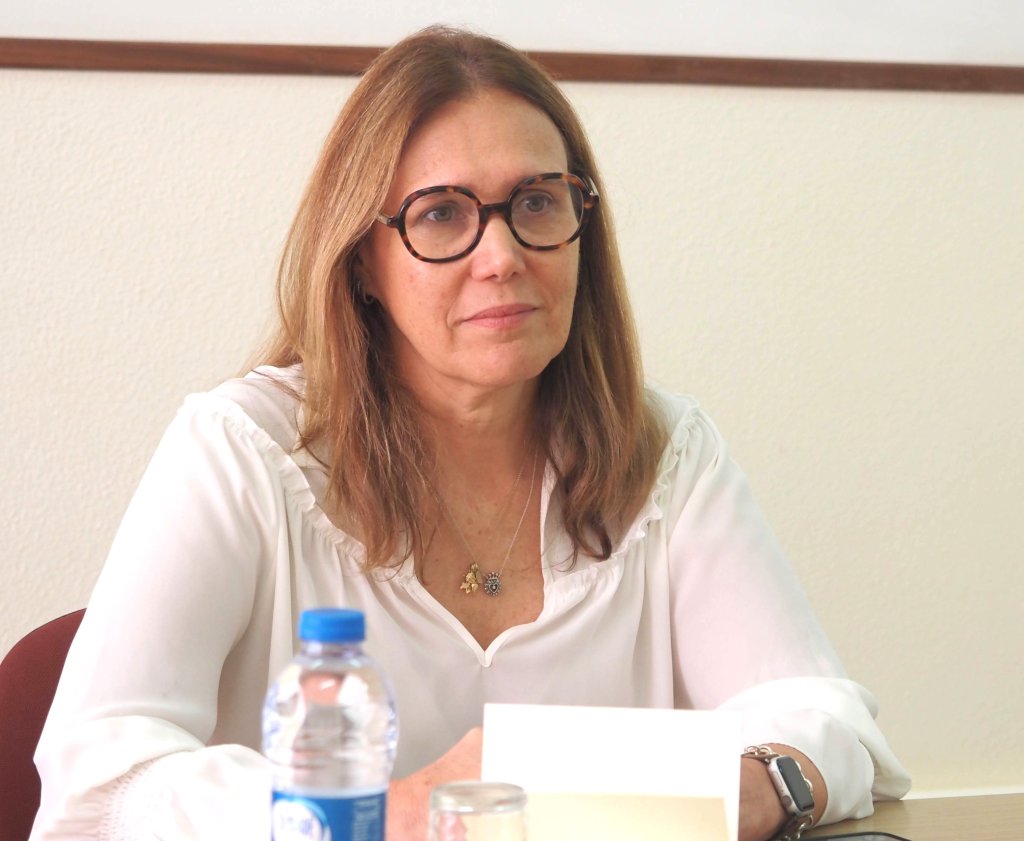
On International Day of Democracy, UN Resident Coordinator Patricia Portela de Souza highlights how the UN supported key foundations of peaceful and inclusive democracy: participation, access to reliable information and trust in public institutions.
Democracy is often at its strongest when it looks ordinary.
Beyond its successful debut at the FIFA World Cup this year, Cabo Verde has consistently distinguished itself as a champion of democracy and the rule of law in West Africa.
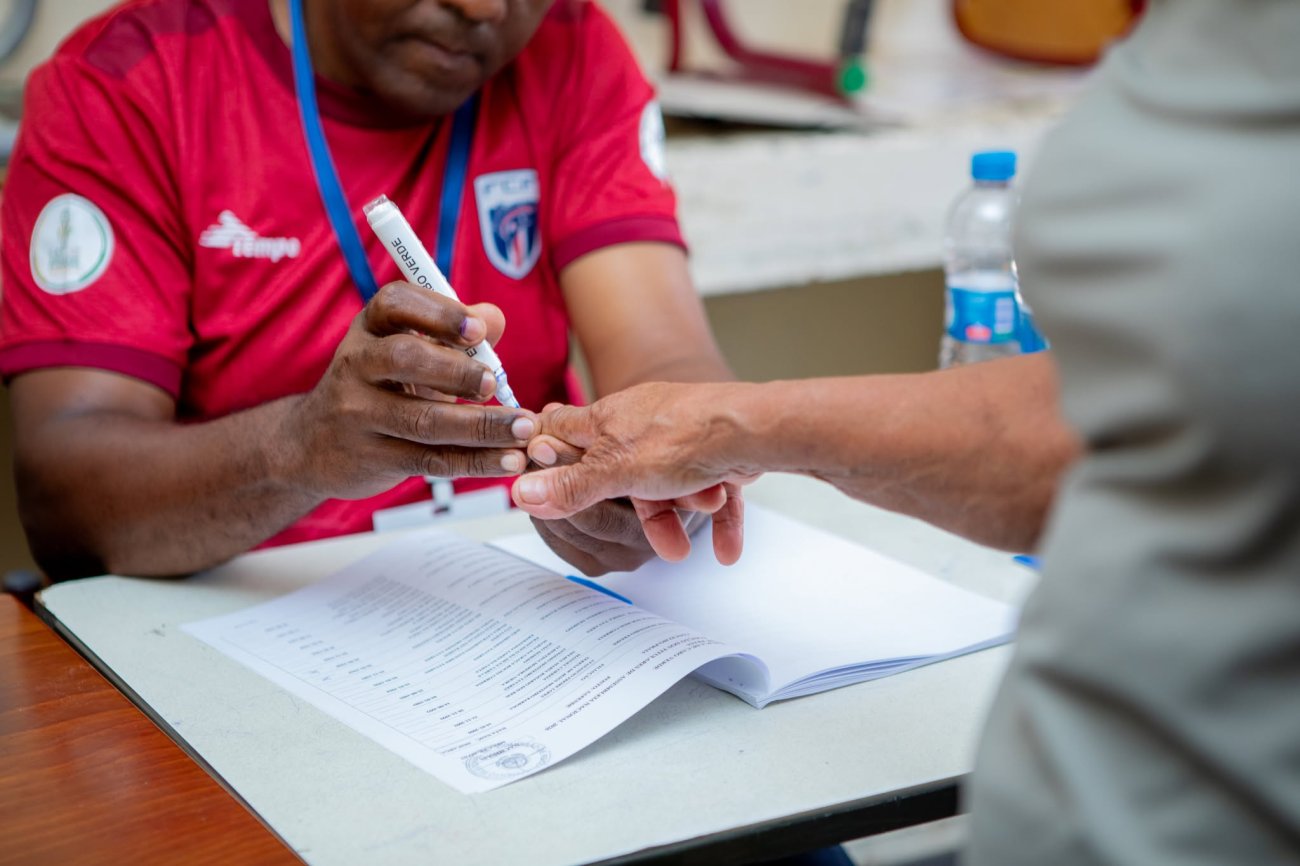
Earlier this year, people across Cabo Verde’s islands, as well as those in the diaspora, went to the polls to elect a new National Assembly. The day unfolded calmly and was marked by civic responsibility and respect for the rule of law.
Change without rupture
An election is a contest. Ideas compete, parties disagree, and citizens make different choices. Democracy does not ask societies to eliminate those differences; it asks them to manage disagreement through rules that everyone accepts.
In a world where political transitions can deepen division, fuel fragmentation or uncertainty, there is something deeply meaningful about power changing hands through a pacific process and public institutions continuing to function. For me, this is one of Cabo Verde’s most important democratic lessons.
However, the election also exposed an important democratic challenge. The National Elections Commission commended citizens for their orderly behaviour throughout the process and confirmed that 193,335 people, 46.5 per cent of registered voters, participated. With fewer than half of registered voters taking part, political leaders, academics and civil society organizations voiced concerns over the low turnout, highlighting the need to strengthen civic engagement and electoral participation.
This raised a broader question: not only whether institutions can administer an orderly election, but whether people, particularly young people and groups that have historically faced barriers to participation, see a place for themselves in public life.
Expanding who participates
Responding to this challenge requires creating more opportunities for people to engage in public life, especially those whose voices are too often underrepresented.
In 2025, the UN supported regional youth forums and a National Youth Forum, creating spaces where young people could engage with national priorities and public decision-making. These forums were part of longer-term efforts to strengthen active citizenship and give young people opportunities to participate in between, not only during elections.
Women’s political participation has also been an important area of national progress and UN support. Women now hold 47 per cent of the seats in the National Assembly, and on 18 June, Janira Hopffer Almada became the first woman elected President of the National Assembly since independence in 1975.
This milestone builds on years of national action, including the 2019 Parity Law. The UN has supported this agenda through its partnership with the Cabo Verdean Institute for Gender Equality and Equity (ICIEG). This has included technical support and consultations to strengthen the national conversation on women’s representation in politics and encourage women’s engagement in the electoral process, including as candidates.
Through the Gender and Politics Forum, conducted with ICIEG in 19 of Cabo Verde’s 22 municipalities, that conversation was brought closer to communities across the country.
The election of the first woman to lead the National Assembly is an important sign of progress. However, inclusive democracy requires more than just symbolic breakthroughs. It must also make room for all Cabo Verdeans not only as voters, but as participants in public life.
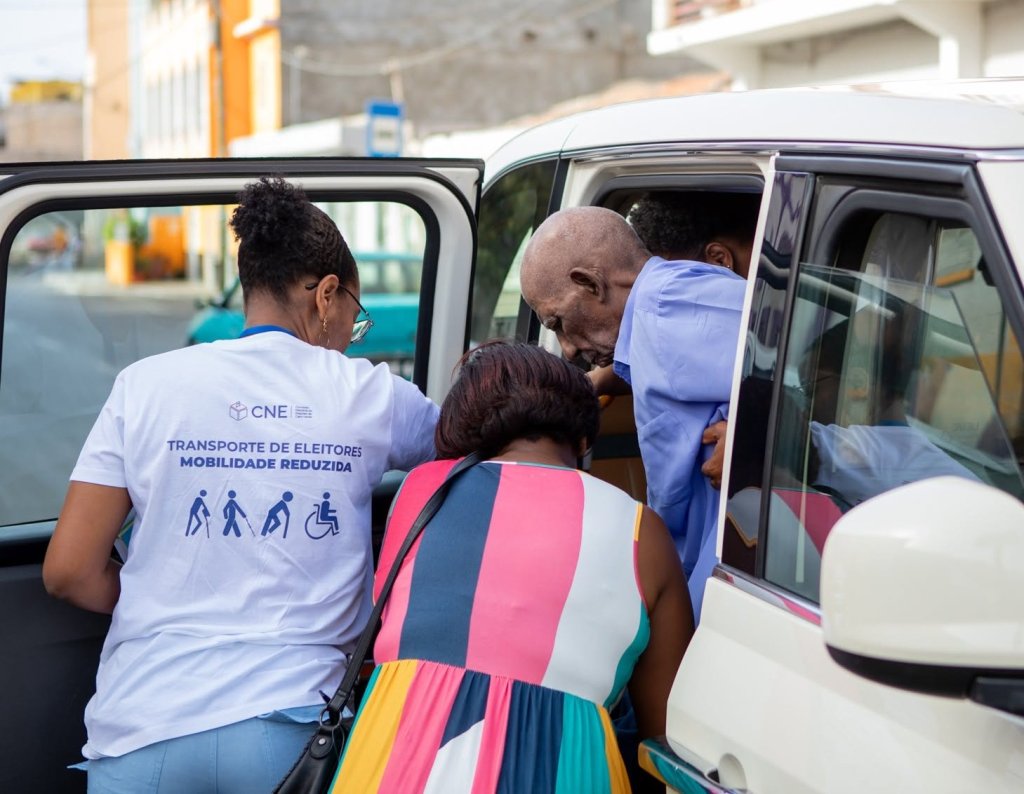
Through its support for the National Strategy for Persons with Disabilities, the UN continues to promote participation and representation as fundamental human rights. This means looking beyond formal access and considering whether public institutions, political processes and civic spaces are genuinely accessible and responsive to persons with disabilities.
These efforts show that trust and participation must be built continuously through institutions that listen and provide opportunities for people to contribute.
Reliable information as democratic infrastructure
Participation also depends on people having access to credible information so they can understand public issues, assess competing claims and make informed decisions.
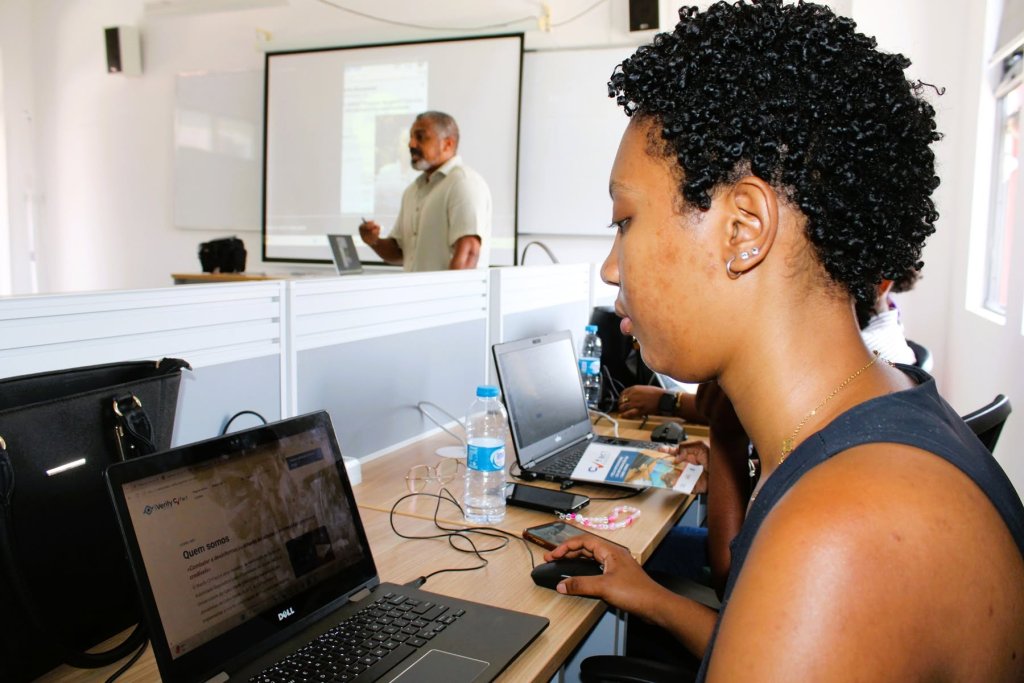
Since 2024, the UN has supported CV-Fact, an initiative focused on information integrity and democratic governance. CV-Fact was built on earlier efforts to strengthen information integrity around democratic processes. It now operates as an independent and transparent fact-checking initiative aimed at promoting democracy and active citizenship in Cabo Verde.
Its work responds to misinformation, disinformation and hate speech, as well as emerging risks associated with technologies such as artificial intelligence. These challenges matter because people need access to credible information to assess competing claims, participate in public debate and make informed decisions.
Information integrity is part of the infrastructure of democracy, alongside the rule of law, accountable institutions and meaningful public participation.
One voice, grounded in impartiality
As the UN, our goal has always been to stand consistently for participation, inclusion, reliable information and respect for national institutions. In my role as the Resident Coordinator, I bring together the United Nations Country Team (UNCT) around one coherent and impartial position, connecting expertise in governance, human rights, gender equality, youth, social inclusion and communication.
This work forms part of broader support for Sustainable Development Goal 16 on peace, justice and strong institutions. In collaboration with the Ministry of Justice, the UN supports national efforts to strengthen the rule of law and democratic institutions.
Through the UN Sustainable Development Cooperation Framework 2023-2027, we support Cabo Verde’s nationally defined priorities: investing in people, reducing inequalities, enabling inclusive economic transformation, advancing climate action and strengthening transparent and effective institutions.
This partnership is evolving as Cabo Verde enters a new stage of development, having become an upper-middle-income country in 2025. The transition brings new opportunities, but it also requires institutions capable of responding to inequality, geographic disparities and the expectations of citizens across the islands and the diaspora.
Cabo Verde’s next democratic test is broader: increasing participation, protecting public debate from manipulation, making political life more inclusive and translating trust in institutions into results that people can see in their daily lives.
The UN will continue to support this effort, ensuring that democracy continues to make room for every island, every community and every person.
Please visit the UN team's website for more information about the UN's work in Cabo Verde.





Latest news and updates