Refugees and Communities Stand Together in Benin
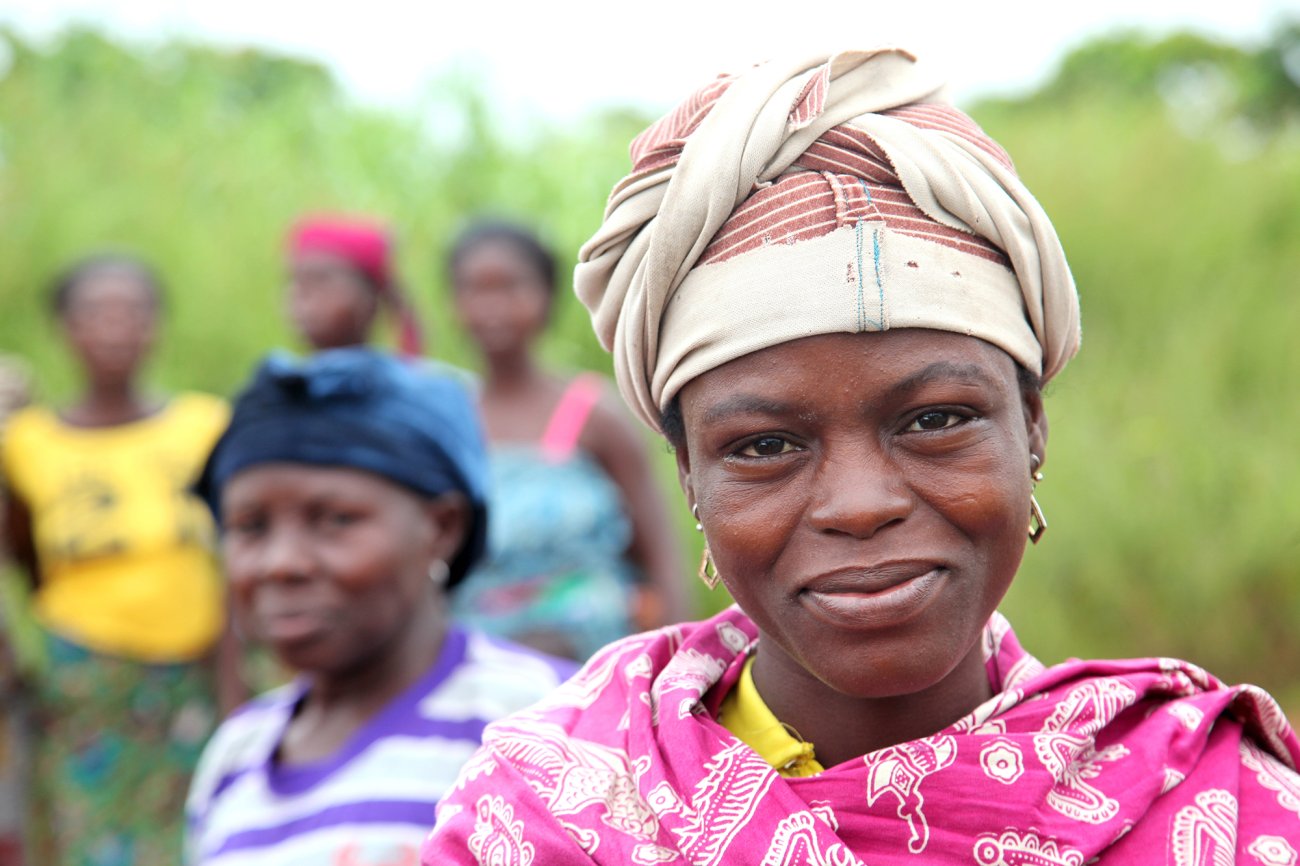
“I was not trying to leave my village. I simply wanted to live in peace with my family.”
Soumalaïla’s voice still trembles as she recalls the night that changed her life forever. Her name has been changed to protect her identity.
A mother of three from a village in Nigeria, she was forced to flee to Ségbana, in north-eastern Benin, after unidentified armed men stormed her community.
Since February, she has been living with her children far from home. Her village, along with more than a dozen other communities in the area, was burned to the ground. Today, her greatest wish is to give her children a future.
She thanked God for sparing her life and expressed her gratitude to the people of Benin for welcoming her.
Soumalaïla’s experience is far from an isolated case.
“In Ségbana, thousands of refugees and asylum seekers have crossed the border in recent months in search of safety and protection, fleeing escalating violence perpetrated by armed groups and criminal networks,” says Ms. Aminatou Sar, UN Resident Coordinator in Benin.
Since the arrival of the first refugees in Porga in 2021, Benin has made a remarkable choice: not to isolate refugees behind camp fences but to welcome them into towns and villages alongside local families, even as the number of arrivals continues to grow.
And the UN has chosen to converge as one team and work with the Government, displaced persons and host communities in finding a way forward.
During a single ceremony at the end of 2024, the Government and UN delivered more than $1.9 million in wide-ranging support for refugees, internally displaced and host communities. Six UN agencies participated, reflecting the Beninese spirit of collaborating to reach a common goal.
In several areas, local families are voluntarily sharing their homes, meals and resources. Some are hosting dozens of people. Others have taken in more than a hundred adults and children.
Thanks to this solidarity, women, men and children who have lost everything are finding a measure of human warmth, a sense of belonging and the strength to carry on.
But solidarity alone cannot keep pace with a crisis that continues to grow. Every new arrival places additional pressure on schools, water systems, farmland and families that are already sharing everything they have.
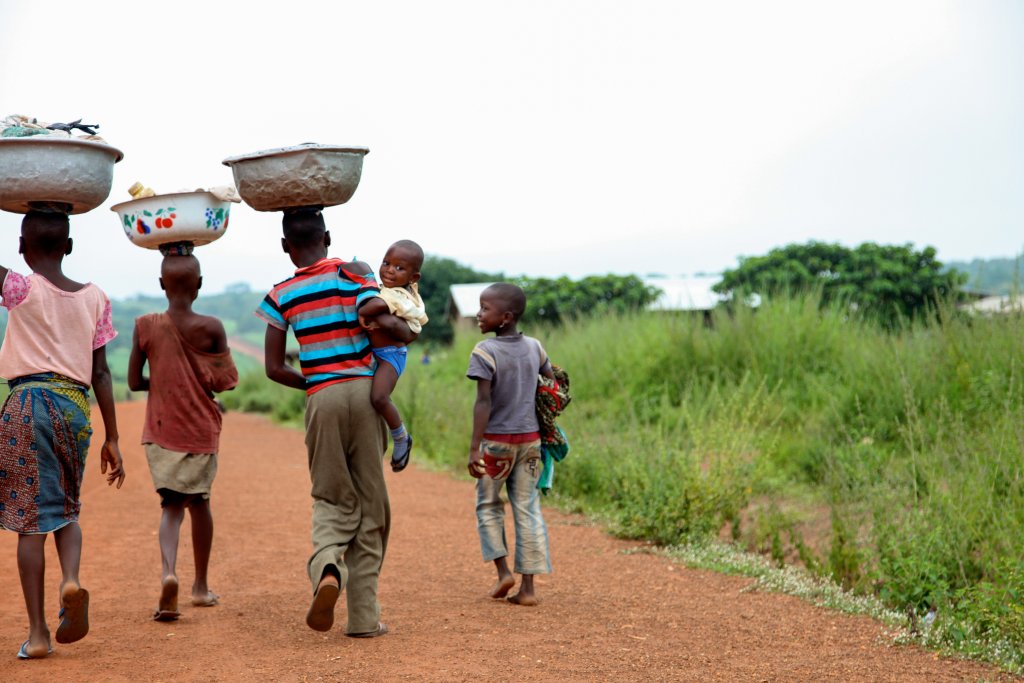
Growing and diverse needs
To better respond to the scale of the situation, the Beninese Civil Protection Agency, with support from its partners, has launched a large-scale registration exercise to identify and document the needs of thousands of people requiring assistance.
This work is complemented by the joint efforts of the UN Refugee Agency (UNHCR) and International Organization for Migration (IOM), which collaborated with the Civil Protection Agency in 2025 to reach displaced communities in border areas with legal advice and documentation of their status.
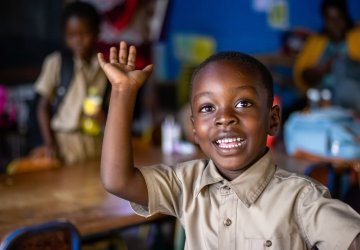
Documentation offers a gateway to essential services, including education. The UN Children’s Fund (UNICEF) promoted inclusive learning by reintegrating more than 11,800 refugee and displaced children across 50 schools in nine municipalities, with each child receiving emergency education kits for the 2025-2026 school year.
Access to education is especially important for women and girls, whose pre-existing vulnerabilities are heightened when displaced. The UN Population Fund (UNFPA) developed plans to improve health information systems for the Ministries of Health, Primary Education and Higher Education, improving data collection for evidence-based support. UNFPA also strengthened emergency obstetric and newborn care facilities to maintain and enhance critical maternal health services across the country.
By walking in step together, with the Government and local municipalities at the lead, the UN is addressing the multitude of challenges faced by those seeking a home and those offering one.
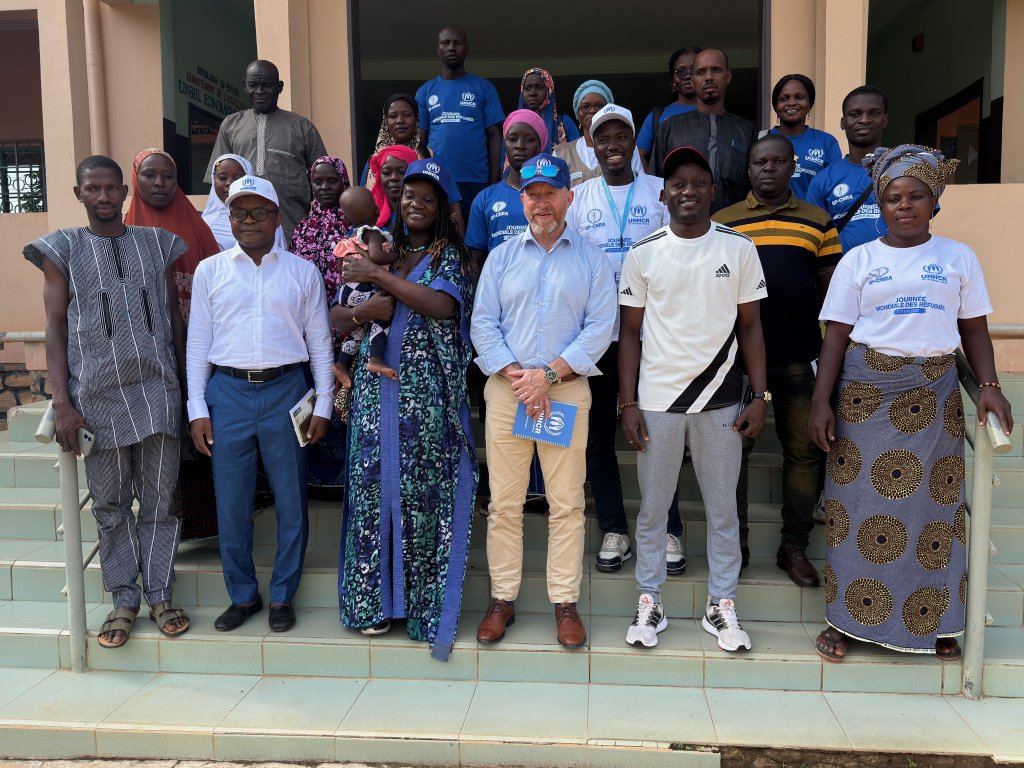
From emergency response to resilience
Some families were forced to abandon their farmland and crops in Nigeria. Their stories are a reminder that behind every statistic lies a life turned upside down, a family separated and a future made uncertain.
Yet the overwhelming message from refugees is strikingly consistent. They are not asking to be cared for indefinitely, but for the chance to take care of themselves again and rebuild their lives.
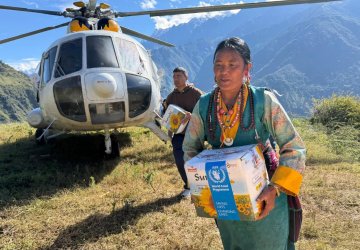
In their commitment to listening, UNICEF and the World Food Programme (WFP) are jointly providing cash transfers that support beneficiaries in staying afloat as they find long-term solutions. UNICEF and WFP target displaced and host communities, respectively, while IOM complements this work by distributing protection kits.
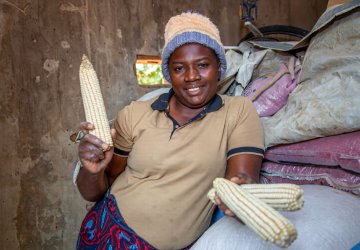
WFP has also laid the groundwork for the long-term solutions in question by launching Food for Assets activities. More than 450 people have generated income through, among other assets, 50 household gardens, over 2,700 metres of earth bunds and 4.5 hectares of vegetable perimeters.
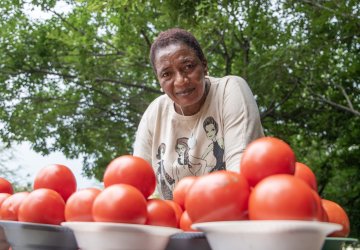
In Tanguiéta, market-gardening activities bring together refugees, internally displaced persons and members of host communities around a common goal: to regain their independence and provide for their families through their own work.
But food is not the only source of sustenance that must be addressed. For this reason, UNICEF reached more than 6,000 people, including over 1,300 refugees, with 12 rehabilitated water pumps in Banikoara.
With access to food, water and livelihoods, families can better meet their immediate needs while creating more stable conditions for the months and years ahead.
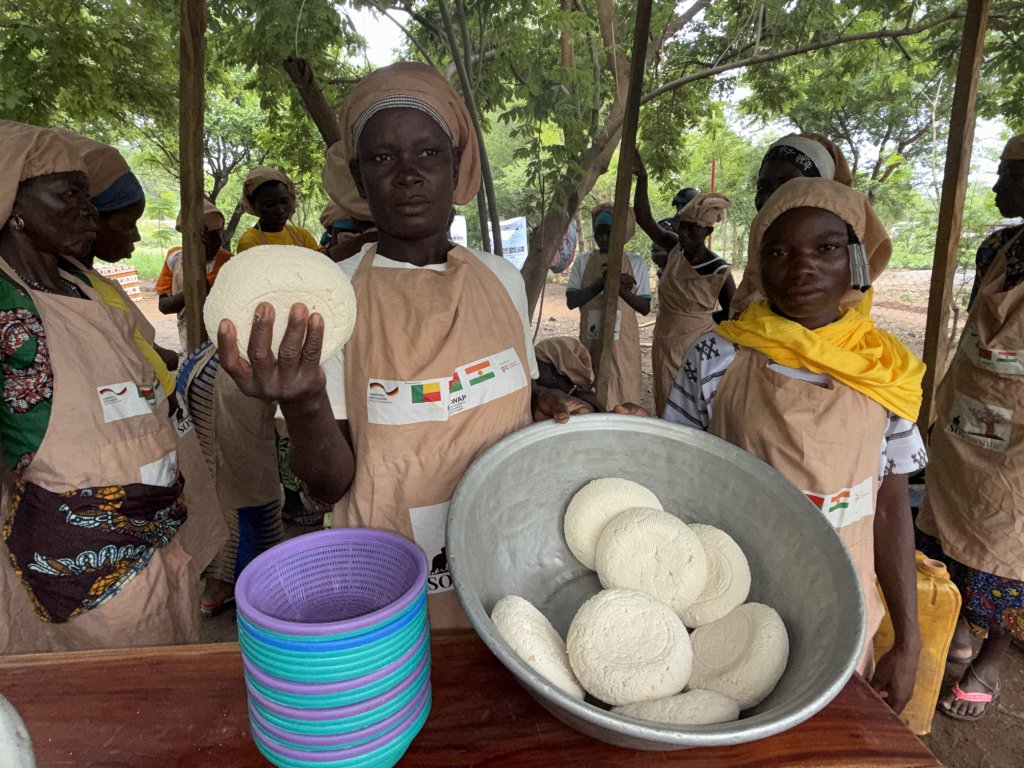
Collective action to restore hope and dignity
Across Benin, one conviction stands out: the response must be coordinated and rooted in solidarity.
“This collective mobilisation demonstrates that no single actor can respond alone to a crisis of such complexity,” Ms. Sar says. “Beyond the needs are dreams. No woman, man or child who has fled such horrors should be abandoned.”
Every refugee who crosses the border carries the hope that someone will open a door. In Benin, thousands of families have done exactly that. Now the challenge is ensuring that their generosity is matched by sustained international solidarity, so that hope can become the foundation for a new beginning.
Please visit the UN team's website for more information about the UN's work in Benin.





Latest news and updates