Tackling the $6 Billion Food Challenge for the Caribbean
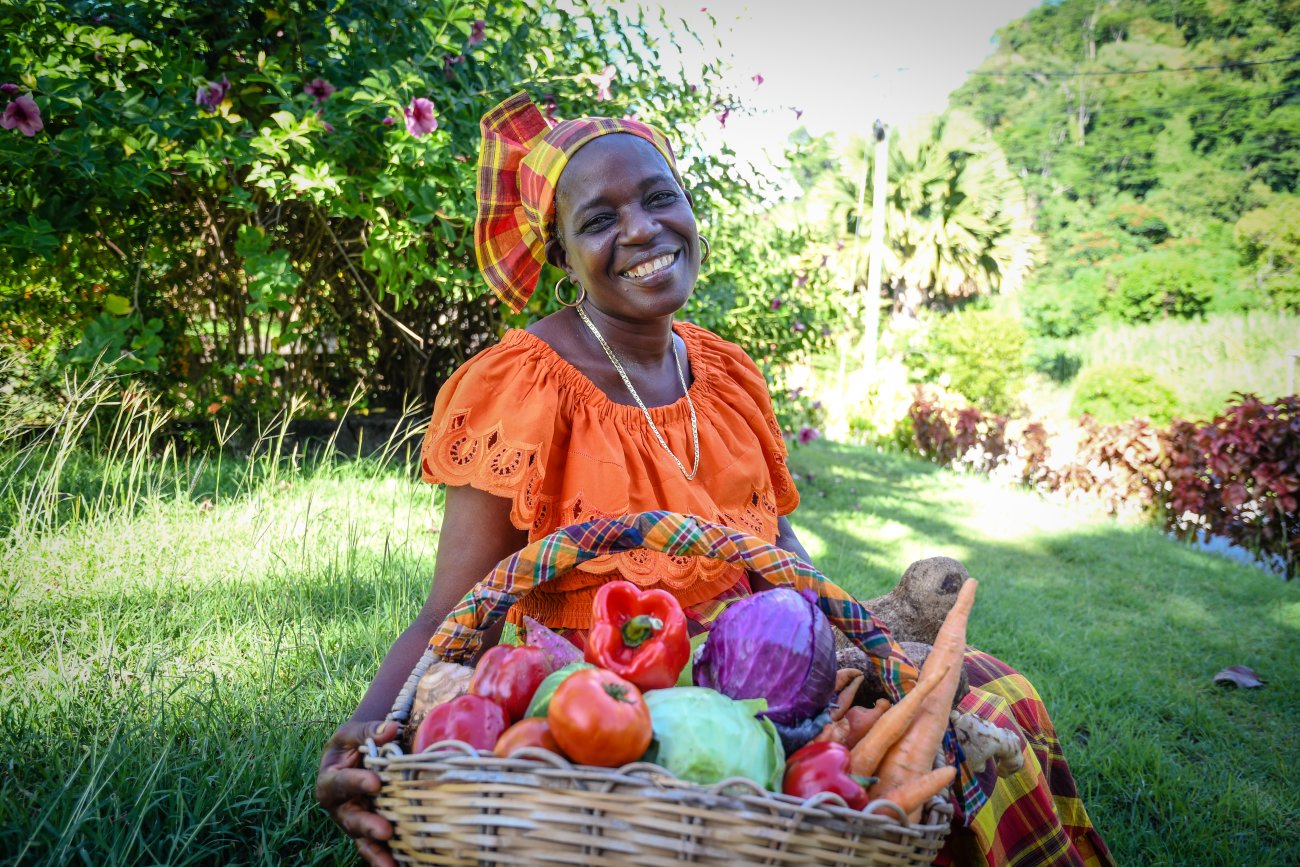
Despite decades of policy attention and investment, the Caribbean remains one of the most food import-dependent regions in the world, spending over $6 billion annually. At the same time, countries continue to grapple with food insecurity, high rates of diet-related non-communicable diseases, climate vulnerability and exposure to external shocks that can disrupt supply chains and drive up food prices almost overnight.
For Small Island Developing States (SIDS), food security has evolved beyond agriculture to encompass economic and climate resilience, health and sustainable growth.
Yet one barrier remains persistent: financing. In the face of high levels of public debt and limited fiscal space, Caribbean countries simply cannot shoulder the financing burden of reducing food import dependence.
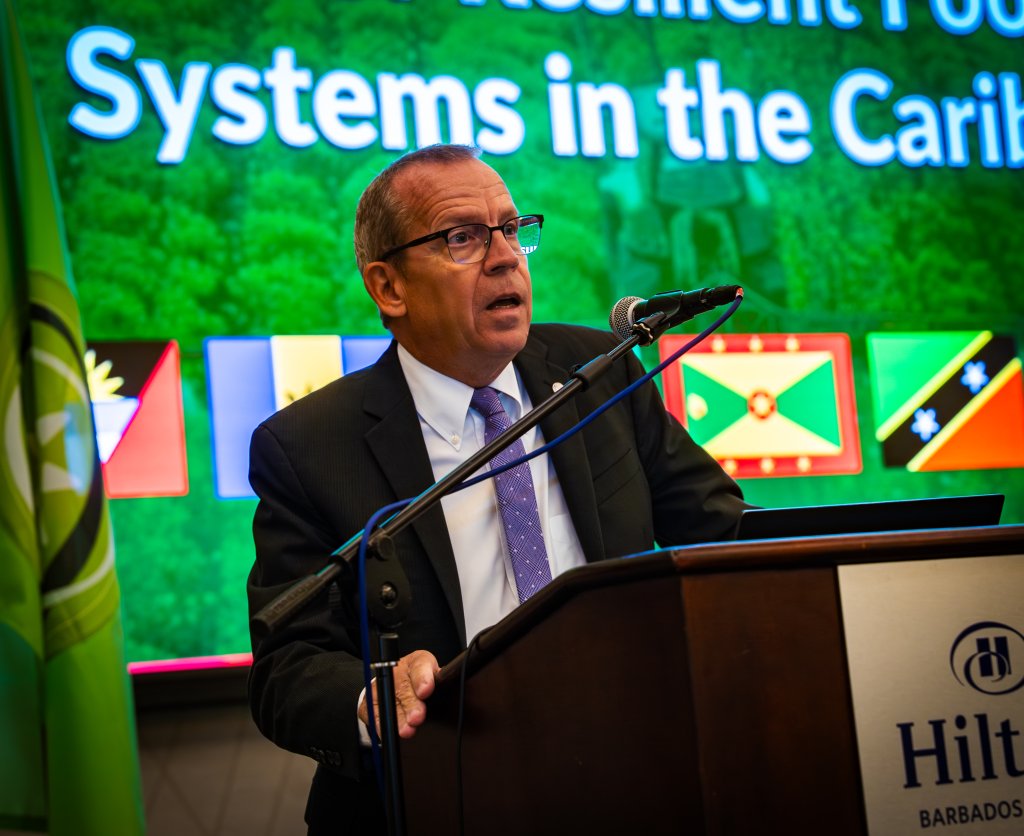
Recognising this reality, the Food Systems Financing Forum that was convened in June with UN support resulted in a game-changing outcome: the launch of a regional Deal Book comprising more than $315 million in investment opportunities across seven countries. Spanning agriculture, fisheries, agro-processing and logistics, the Deal Book opens the door to investments in farm expansion, incubators and the commercialisation of foods from local produce, among others.
Crucially, by bridging governments, businesses and investors, including commercial banks and asset management firms, the Deal Book supports countries in strengthening domestic production, regional trade and resilience.
It is ultimately an acknowledgement that far greater private capital, alongside development finance and public resources, is needed to address the interconnected challenges of food insecurity.
How is the UN tackling the Caribbean’s food import dependence?
The UN Resident Coordinator’s Office in Barbados and the Eastern Caribbean organized the Food Systems Financing Forum to bring together governments, investors, international financial institutions, the UN and businesses, including farms, processing plants and local enterprises. They convened around a simple idea: food systems should be viewed not only as a development priority, but also as an investment.
The Resident Coordinator’s Office and Intentional Asset Management (IAM), a private sector partner, met with governments and privately-owned companies ahead of the Forum to learn more about their investment opportunities. The Office then compiled the information into an electronic Deal Book highlighting the metrics investors would need, their contact details and insights for both investors and businesses seeking partnerships.
The Forum highlighted an encouraging shift in perspective: public and private partners now see food systems as drivers of economic diversification, resilience, competitiveness and growth. Investments can strengthen regional supply chains, create new businesses, generate jobs and reduce vulnerability to external shocks, including climate impacts and inflation.
How is the UN maintaining momentum after the Forum?
Across Barbados and the Eastern Caribbean, the Resident Coordinator’s Office works with the Food and Agriculture Organization (FAO), World Food Programme (WFP), the UN Food Systems Coordination Hub and other partners to align policy support, technical expertise, partnerships and financing.
Within this network, the Hub’s Youth Leadership Programme (YLP) supports early career professionals in anchoring their newly acquired skills in service of reducing food import dependence. In the Caribbean, two countries have received Hub support through the YLP’s Science-Policy-Society Interface workshops: Saint Lucia and Saint Vincent and the Grenadines.
In partnership with the Hub’s trained youth, these country-led workshops produced practical proposals, including youth food-security enterprise programmes, inclusive policies, data and knowledge platforms, a National Youth Food Systems Framework and implementation pathways. By giving young leaders a structured role in national decision-making, this work can strengthen local production, processing and marketing while creating employment.
The Hub also connects Caribbean countries with broader regional strategies and cooperation opportunities, such as the Regional Network of Public Food Supply and Commercialization Systems (SPAA), chaired by Brazil’s National Supply Company (CONAB) and supported by FAO as its secretariat. This engagement promotes knowledge sharing and strengthens public procurement, institutional purchasing, and local and regional markets, helping create more reliable demand for locally-produced food.
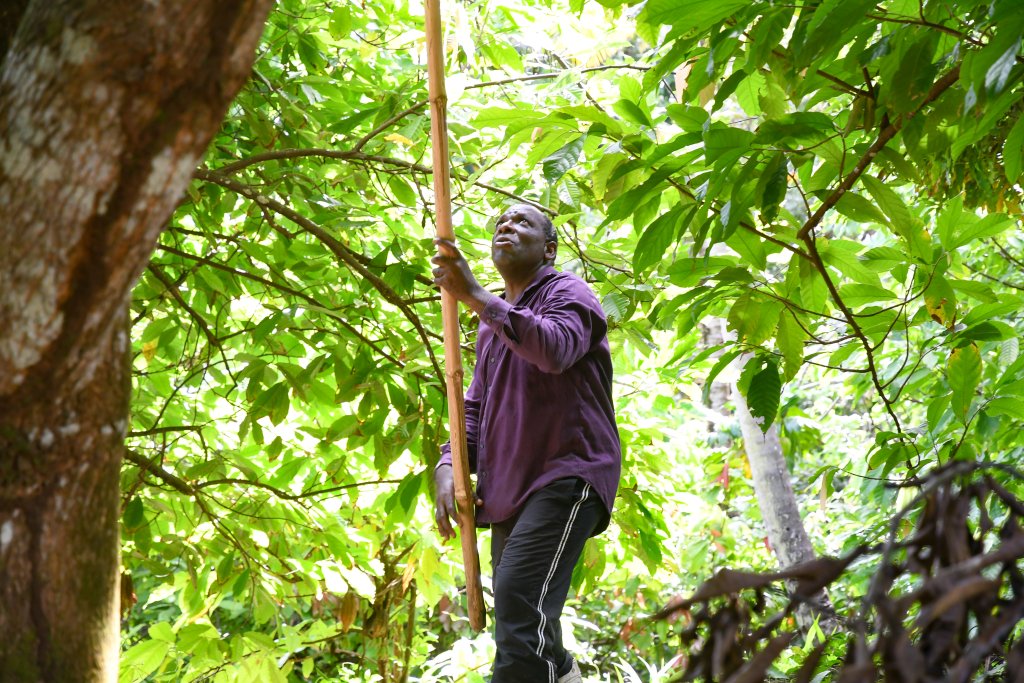
Sowing new seeds
The Forum showcases the UN's comparative advantage as a trusted broker capable of connecting development priorities with investment opportunities. The Hub showcases how a coordinated network of partners can open doors to actionable plans, representation of diverse voices and avenues for regional cooperation. Together, the Forum and the Hub accelerate food systems transformation.
The Forum’s success will be measured not by dialogue generated, but by investments mobilised, businesses expanded and progress made toward resilient, competitive Caribbean food systems across the region.
Its most important outcome may therefore be what comes next.
The work starts now.
This story was adapted from an op-ed published by Kenroy Roach, Head of the Resident Coordinator's Office (RCO) for UN Barbados and the Eastern Caribbean Multi-Country Office (MCO). Please visit the UN team's website for more information about the UN's work in Barbados and the Eastern Caribbean.





Latest news and updates