
What AI Could Mean for Learning, Farming, Healthcare and Jobs in Costa Rica
As the inaugural UN Global Dialogue on AI Governance takes place, Resident Coordinator in Costa Rica Pablo Salazar Canelos explores how artificial intelligence can expand access to education, healthcare, jobs and climate information, while warning that cost, connectivity and bias could deepen existing inequalities.
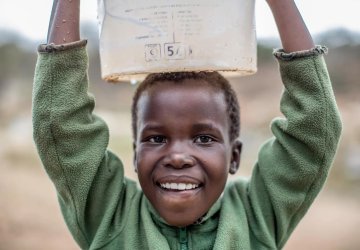
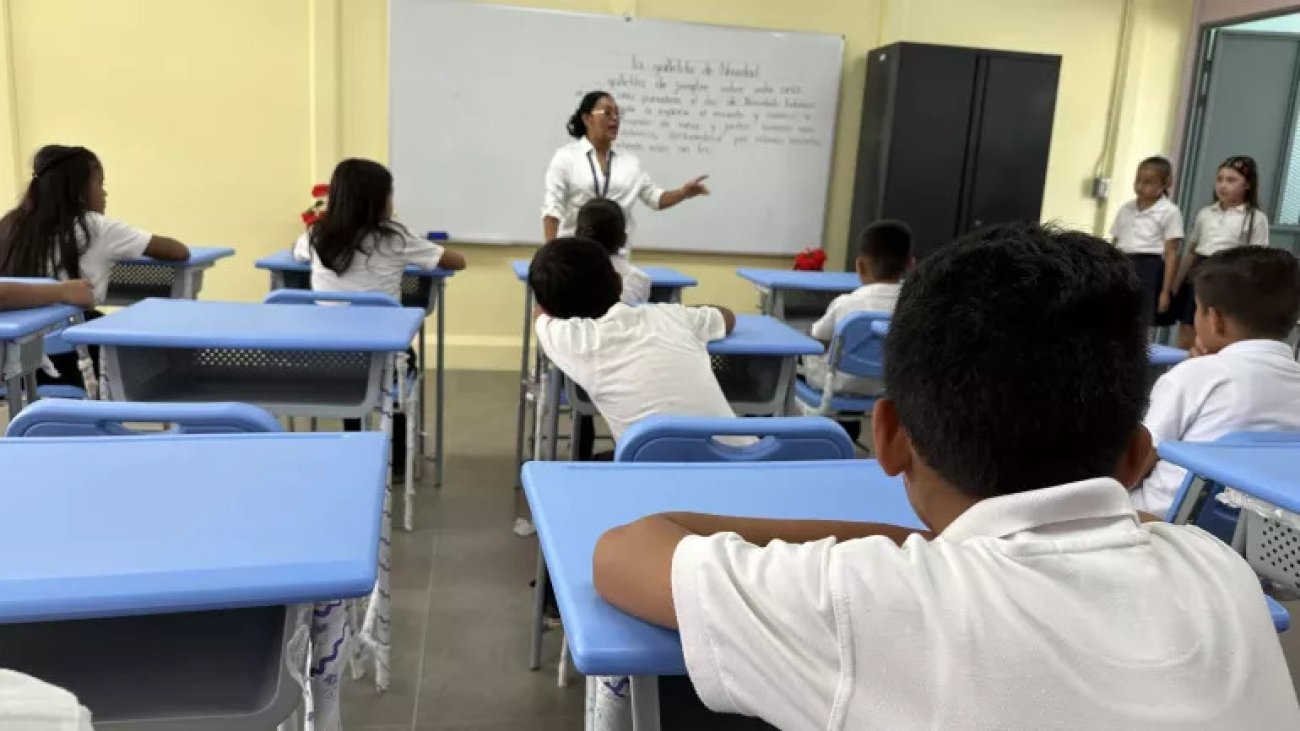
What does artificial intelligence mean for Mariana, an eight-year-old school girl? For her, AI is neither a cutting-edge concept nor a distant threat. It is the possibility that her teacher might have a tool capable of detecting whether she is struggling with reading before she herself knows how to explain it. It is the promise that, even though she lives in a hard-to-reach rural area, she can access the same high-quality educational resources as a student in central San José.
For Mariana, the question is practical: will AI help close educational gaps, or widen them?
Practical tools for everyday needs
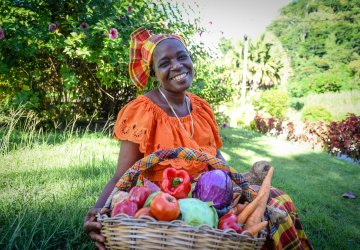
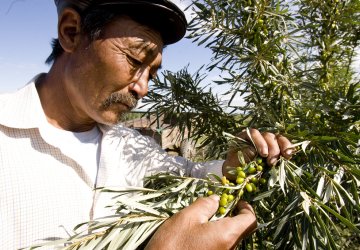
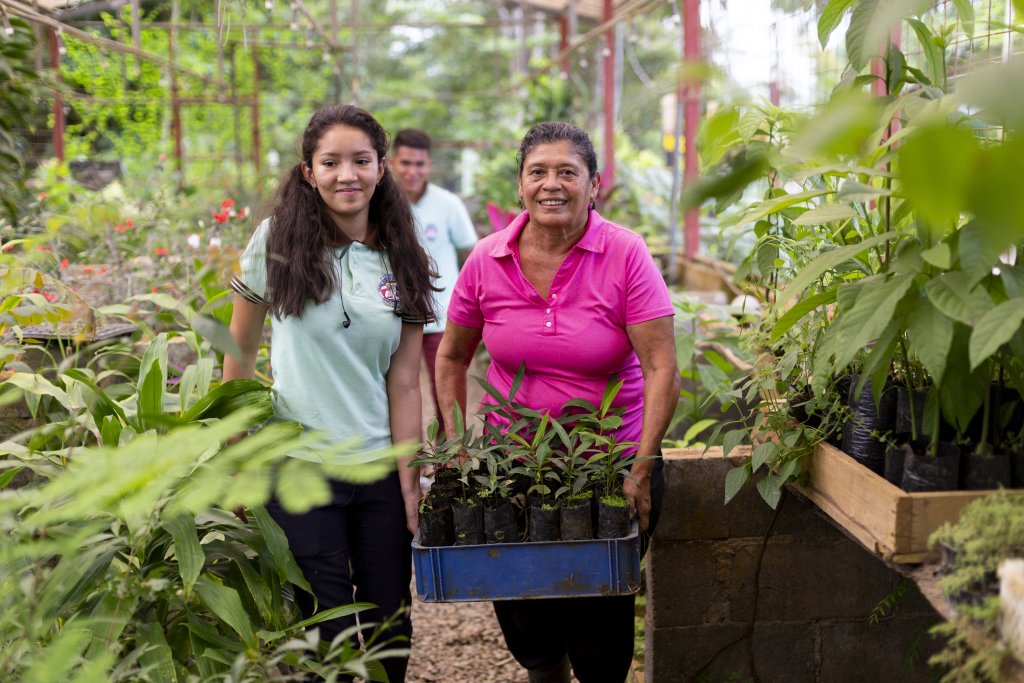
Now let us think about Doña Ana, a farmer from the Southern Zone who grows coffee. For her, AI could be a key ally: a system that integrates climate, satellite, and soil data and gives her three days’ notice about when to plant, how to optimise water use, or which potential pests might limit her productivity. But it could also become a new barrier if the benefits of automation are concentrated in large agricultural corporations and exclude small-scale women farmers.
And what about Don Carlos, a 75-year-old man who lives alone in a coastal community? For him, AI could mean the difference between feeling abandoned and feeling supported: a predictive remote-assistance system that detects a fall, reminds him when to take his medication, or simply initiates a friendly voice call when he has gone several days without interacting with anyone. But it could also become an intrusion if his privacy is not protected, or a form of exclusion if digitised public services assume that everyone has a smartphone and knows how to use it.
The test of ethical AI is whether people such as Don Carlos can use public services safely, affordably and with dignity.
Finally, let us think about Fabián, a 22-year-old who has just completed his high school diploma through an adult education program and is looking for his first formal job in an uncertain labor market. For him, AI could multiply opportunities: a platform that identifies his skills, connects him with in-demand training programmes, and links him with employers who value diversity. But it could also become a discriminatory filter if recruitment algorithms reproduce historical biases, or if companies choose to automate precisely those entry-level positions that have traditionally served as the gateway into the labor market for young people without experience.
Four lives, one question: who designs the rules to ensure that AI benefits everyone, not just a few?
The cost of being left out
There is also a factor of exclusion that we must consider: the cost of AI. This means not only the cost of devices or data plans, but also the cost of digital literacy, connectivity in rural areas, infrastructure maintenance and continuous training to avoid becoming obsolete.
Unless these barriers are addressed, the people who could benefit most from AI may be the least able to access it.
The UN Secretary-General has been clear on this point: without investment, many countries and many people will remain “disconnected” from the AI era. That is why he has proposed a $3 billion Global AI Fund to build foundational capacities in developing countries, including skills, data, affordable computing power, and inclusive ecosystems. That is the scale of ambition we need so that cost becomes not a barrier, but a bridge.
For Don Carlos, the cost of AI is not just a smartphone or data plan. It is the risk of being excluded from digital public services he may not be able to access, afford or navigate. That is why the United Nations promotes “small AI”: practical, affordable tools that work on everyday devices, require limited connectivity and respond to local needs. The goal is simple: cost and digital skills should not determine who benefits from AI and who is left behind.
Costa Rica and the UN: a partnership to secure a better future
Costa Rica has demonstrated exceptional leadership in advancing AI with an ethical, safe and responsible approach at three levels:
- Global: It co-facilitated the resolution that established the Global Dialogue on AI Governance, which, incidentally, is taking place in Geneva on July 6 and 7 and will include Costa Rica’s participation through a very high-level delegation, as well as the Independent International Scientific Panel on AI.
- Regional: It convened the Regional Dialogue on Artificial Intelligence Governance for Latin America and the Caribbean on May 26, helping to articulate a Latin American perspective on AI that reflects cultural relevance and respect for national sovereignty.
- National: It launched its National Artificial Intelligence Strategy, ENIA 2024-2027, based on ethical principles.
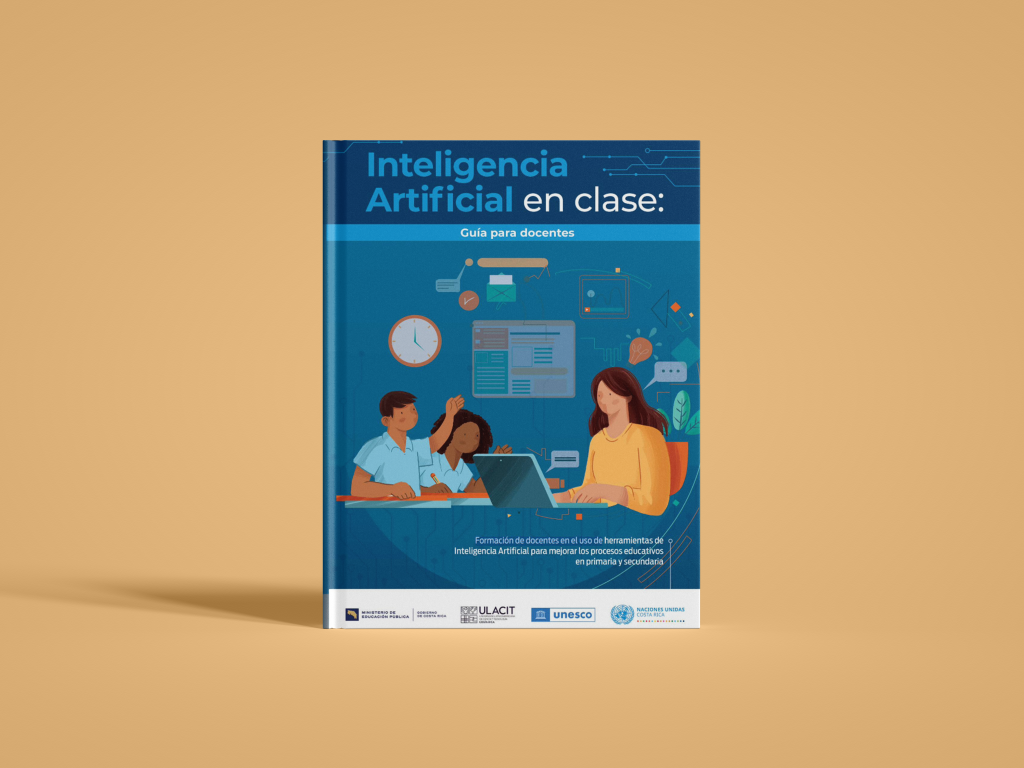
Throughout this process, the UN in Costa Rica has been an active partner. The UN Costa Rica AI Road Map for 2025-2027 is already producing tangible results, including an AI guide that could reach 64,000 teachers and one million students, and a virtual assistant for scheduling Pap smear appointments. We are also supporting national policy through assessments of Costa Rica’s AI readiness, which informed the national AI strategy, as well as AI-based monitoring of hate speech to strengthen social cohesion policies. Other efforts include an AI-based tool designed to boost the formalization and productivity of micro and small enterprises, with clear potential to benefit Costa Rica's economy.
Costa Rica is at a crucial turning point, having recently attained high-income-country status. However, the transition to high-income status is not synonymous with widespread well-being. Persistent gaps remain in productivity, territorial equity and labour inclusion. In this context, AI must be viewed not as an end in itself, but as a tool to address these structural challenges and expand opportunity. The UN continues to partner with Costa Rica as it finds news ways to use AI to improve people’s lives while protecting their rights and our planet.
In the end, the success of this revolution will not be measured in terabytes or algorithms, but in Mariana’s smile as she learns to read, in Doña Ana’s secure harvest, in Don Carlos’s peace of mind from knowing he is not alone, and in Fabián’s first decent job.
That is the only purpose worth pursuing.
This article was first published in Spanish on Delfino.cr. Please visit the UN team's website for more information about the UN's work in Costa Rica.





Latest news and updates