What Will it Take to Protect Hard-Won Gains in Jobs, Water, Energy Access and Health?
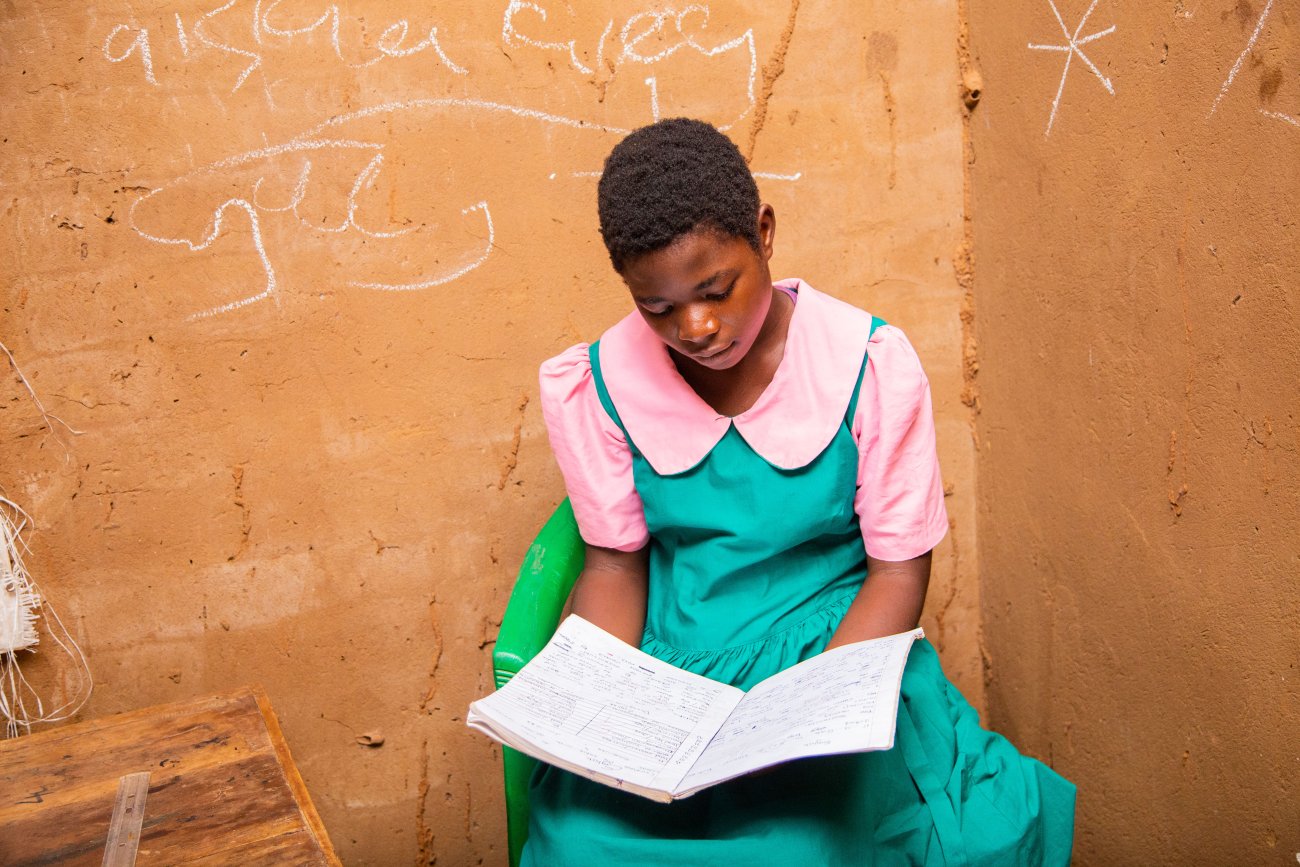
Four years from the 2030 deadline to achieving the Sustainable Development Goals, the world faces a difficult question: how can hard-won development gains be protected when crises are moving faster than progress?
The latest Sustainable Development Goals report shows that progress is possible:
- Global unemployment has recovered since 2020, dropping to a record low of 4.9 per cent in 2025
- 1.2 billion people gaining access to safely managed sanitation
- New HIV infections falling by 30 per cent between 2015 and 2024
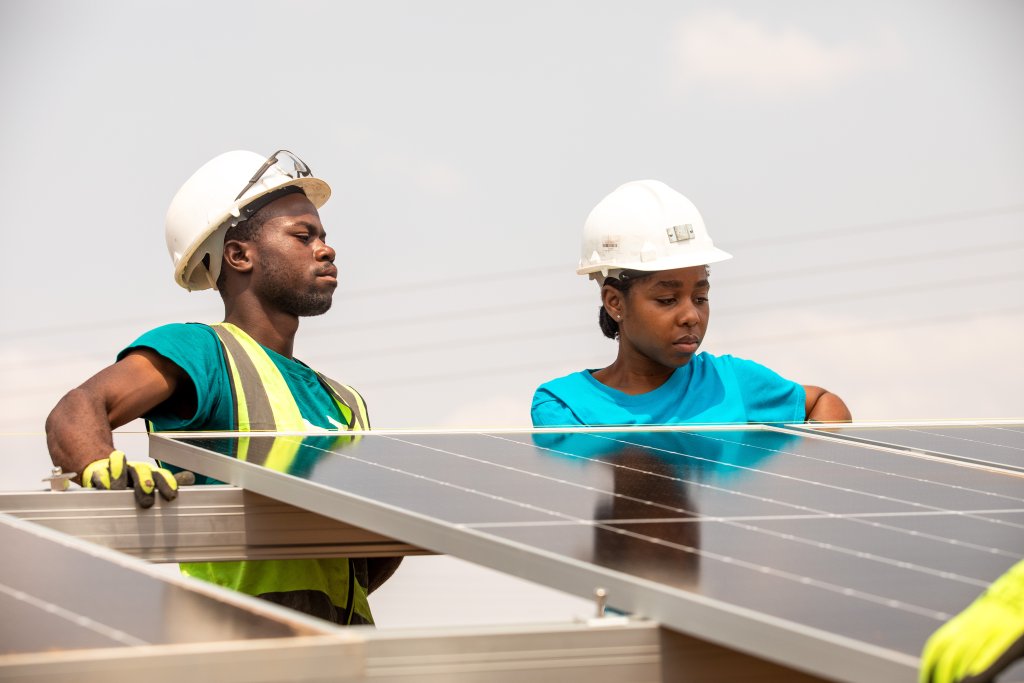
- Electricity now reaching 92 per cent of the global population
- Internet access surging from 40 to 74 per cent
- Social protection now covering more than half the global population
But the same report warns that these gains are fragile. Conflict, climate shocks, inflation, debt pressures and falling development assistance are widening gaps and threatening to reverse decades of progress.
“We can say two things with confidence,” Deputy Secretary-General Amina J. Mohammed said at a briefing following the report launch. “The sustainable development agenda, its 17 goals, work. They are delivering for people, just not fast enough, not evenly.”
What progress is reaching people?
The report points to gains that affect daily life: jobs, clean water, electricity, child health, social protection and digital access.
Thirty-four countries have already met the target on reducing deaths of children under-five. Women’s representation in parliaments and local governments is nearing 30 per cent, at about 27 per cent. More people have something to fall back on through social protection.
These gains show what can happen when national priorities are backed by political will, sustained investment and international cooperation.
Why are these gains at risk?
The pressure is growing on multiple fronts.
The conflict in the Middle East has disrupted maritime traffic and affected energy, fertiliser and food corridors, driving up inflation. The report also points to repeated climate shocks, some of the hottest summers on record, and the world fast approaching a temporary overshoot of the 1.5°C limit.
As Deputy Secretary-General Mohammed noted at the report launch, military spending reached $2.9 trillion in the same year that development assistance suffered its steepest fall on record, while the annual SDG financing gap still stands at $4 trillion.
The result is a widening gap between ambition and delivery.
- One in 10 people still live in extreme poverty
- Food insecurity affects 2.3 billion people
- Maternal mortality remains nearly three times the global target
- In 2025, global temperatures reached 1.43°C above pre-industrial levels
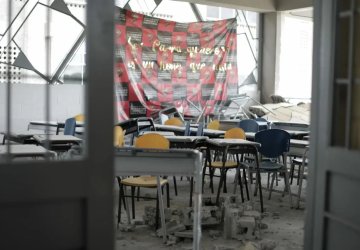
- 273 million children and young people remain out of school
- The global refugee population has more than doubled in the past decade
Of the 139 SDG targets with trend data, only 36 per cent are on track or making moderate progress. Meanwhile, 49 per cent of them are advancing too slowly and 15 per cent have regressed below 2015 baselines.
Who is being left behind?
Global averages can hide deep inequalities between and within countries. For example, people with disabilities face discrimination at three times the rate of everyone else, and many are missing from the count altogether.
Deputy Secretary-General Mohammed said the promise to ‘leave no one behind’ means looking in every single community and country to identify those that are being left behind, including vulnerable communities, discriminated communities and large numbers who are living below the poverty line. “People have to be lifted out of poverty, with dignity,” she said.
That includes women and girls, but also all the communities being left behind, including LGBTQI+, Indigenous peoples, persons with disabilities and older persons.
On gender equality, Deputy Secretary-General Mohammed said the international community had too often treated women and girls as a separate project rather than as a measure of whether all investments are working. She said investments should reach women and girls across sectors, not only through dedicated gender programmes.
What will it take to protect progress?
The report’s central message is that countries need the means to deliver.
For many developing countries, debt pressures and limited fiscal space are forcing impossible choices between servicing debt and investing in people. Deputy Secretary-General Mohammed called for access to longer-term financing, meaningful debt relief and reform of the international financial architecture, including greater lending capacity from multilateral development banks.
Official development assistance remains critical for vulnerable countries. Mohammed called on donor countries to keep their development finance promises, while also urging wider access to the world’s available resources.
Technology could also accelerate development, but only if it closes divides. Artificial intelligence, digital public infrastructure, connectivity, skills and technology transfer need to reach many countries and communities, not only a few.
What happens next?
The Deputy Secretary-General said the goals remain achievable, but only with urgency, scale, solidarity and resolve.
In 2027, Member States are expected to look at how to accelerate the final push to 2030 and how to begin thinking beyond 2030. Deputy Secretary-General Mohammed said the sustainable development framing still matters because “we’re not there yet.”
The report’s message is that progress can be protected only if countries have the financing, institutions, data, technology and peace needed to deliver for people.
“The Sustainable Development Goals remain achievable if we choose to act together,” Deputy Secretary-General Mohammed said. “But that choice must be made now.”





Latest news and updates