A Mountain Kingdom on the Move: Bhutan’s Path to Sustainable Development
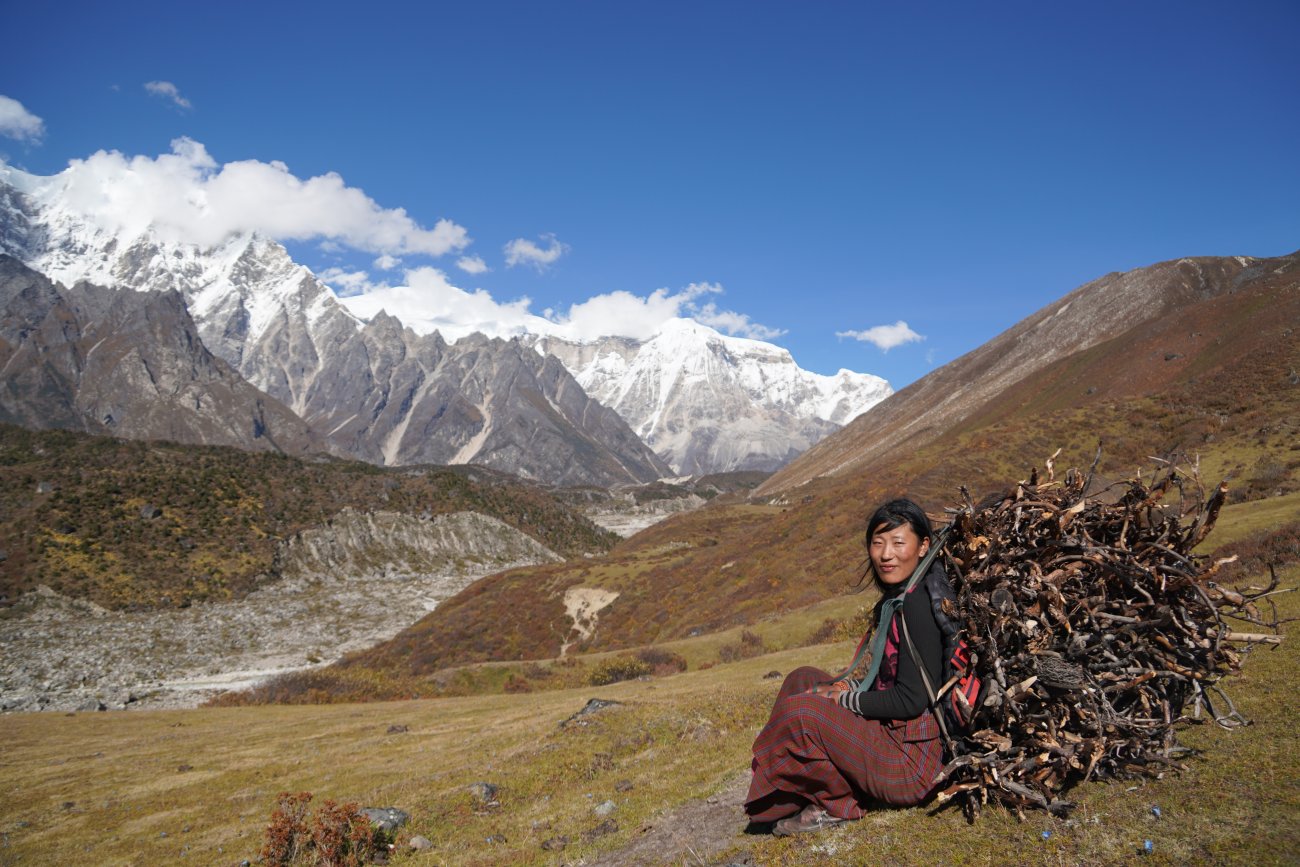
In this interview with UN News, Gaurav Ray, UN Resident Coordinator in Bhutan, reflects on Bhutan’s development trajectory towards sustainable and inclusive development and the UN’s support in strengthening resilience in the mountain kingdom, during a visit to India.
What is the purpose of your visit to India, what have been your takeaways and what do these discussions mean for the United Nations' work and results in Bhutan?
The purpose of this visit to India is twofold.
First, we had the opportunity to meet with the President of the United Nations General Assembly and discuss how the UN is moving forward, particularly through its ongoing reform efforts.
It was also an opportunity for UN agencies and development partners, including embassies, to come together and exchange views during our annual development partners’ meeting.
I have several key takeaways from this visit.
First, the President of the General Assembly shared a number of important reflections, chief among which was the importance of highlighting how the United Nations functions in the field, and how its work with communities makes a real difference.
These insights are reflected in Bhutan’s own development trajectory, where international support has been closely aligned with national priorities.
Environmental leadership, economic ambition and demographic transition shaped the country’s path last year. The UN supported and is committed to continue supporting how the country harnesses these three pillars.
In 2025, our team worked with partners to reach more than 180,000 people with initiatives that strengthen climate resilience and promote the sustainable use of natural resources.
We also reached over 87,000 people through income-generating activities and supported more than 190 private sector entities to improve their business performance.
Over 65 per cent of children who are in conflict with the law have received alternative, child-friendly and rehabilitative measures instead of custodial sentences.
These are but a few of the gains we will build upon as 2026 continues.
Bhutan is a very small country, located geopolitically between two major countries, China and India. So it is important to ensure that Bhutan is not forgotten, and that the valuable work being done by the United Nations is communicated consistently with its partners.
The second key point is self-reflection: how can we remain relevant in Bhutan, and what is the added value of the United Nations?
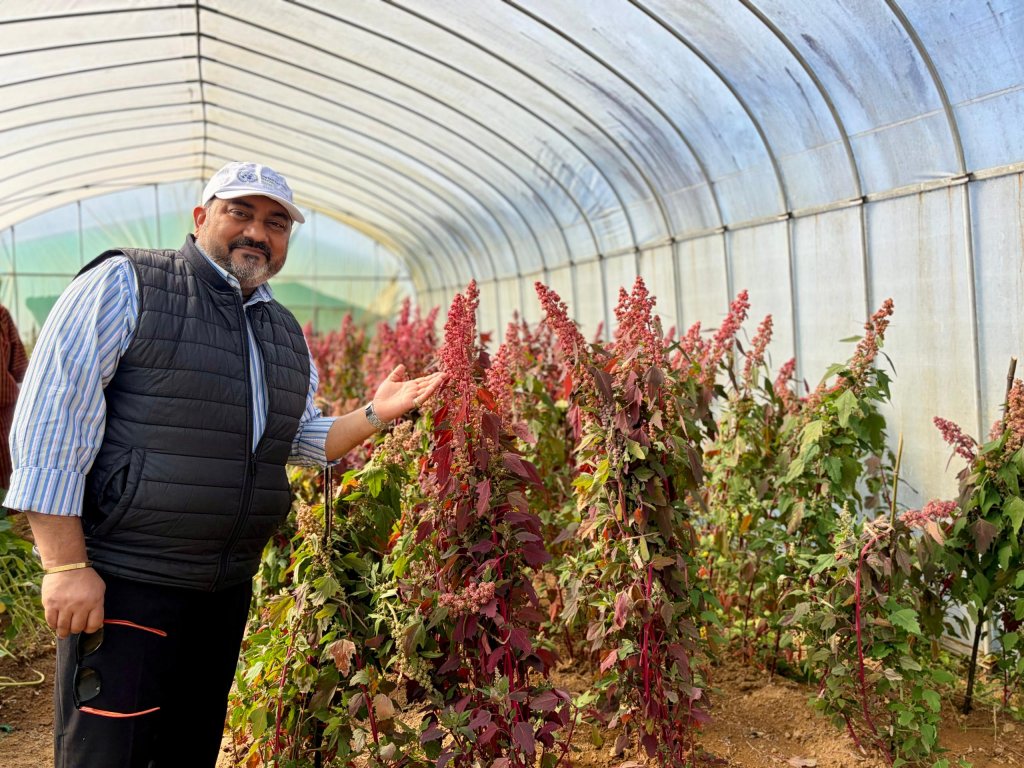
Bhutan recently graduated from Least Developed Country (LDC) status. How would you describe this development journey, what made it possible and how has the United Nations supported Bhutan's transition towards sustainable and inclusive development?
It is remarkable the way Bhutan has developed in the last 50-60 years. If you look at Bhutan 50 years ago, there were hardly any roads. People had to find different ways of getting into the country. Bhutan was a closed country. The United Nations has been privileged to support Bhutan throughout parts of this journey, and we continue to work closely with the Royal Government and development partners as the country transitions beyond Least Developed Country status.
Bhutan has had a very good relationship with its neighbours. That has been a positive factor as it has graduated and moves towards becoming a higher-income country. It is well on track in doing that, and it has had good partners along the way, including the United Nations.
Another very important factor is that Bhutan is a carbon-neutral country — in fact, it is carbon-negative. To maintain that, it is written into the Constitution that 60 per cent of Bhutan’s land must remain under forest cover. Right now, forest cover stands at around 70 per cent, so Bhutan is well beyond that requirement.
With regard to this, last year, our team supported Bhutan’s adoption of the 5th National Biodiversity Strategy and Action Plan, as well as its updated national Paris Agreement pledges. These frameworks will translate Bhutan’s climate and biodiversity commitments into practical guidance across key industries, including energy, tourism, agriculture and infrastructure. Critically, they also embolden the carbon-neutral commitment that was so vital to Bhutan’s development trajectory.
Recent tensions around the Strait of Hormuz have shown how global energy shocks can affect countries far beyond the region. Has Bhutan felt any impact, especially as a landlocked country? How is the United Nations supporting Bhutan to strengthen resilience to external shocks and climate-related risks?
Bhutan faces three big challenges during this crisis.
One is inflation. The prices of commodities have definitely gone up, and if this continues, it will have a profound impact.
The second relates to pressures associated with rising fuel prices and broader economic uncertainty. These are issues that many countries are monitoring closely.
The third area of concern is the potential impact on sectors that are important to Bhutan’s economy, including tourism.
These are areas we are following closely, given the interconnected nature of today's global economy.
On the positive side, hydropower has been a major strength in Bhutan’s development journey. It is green, and Bhutan has strong hydropower generation. That is one reason why the fuel crisis is not hitting Bhutan’s economy as badly as it might otherwise have done.
However, the transport sector is the most affected. Bhutan’s high dependence on India for fuel, diesel and petrol is a concern, because if there is a problem in India, it definitely has consequences for Bhutan.
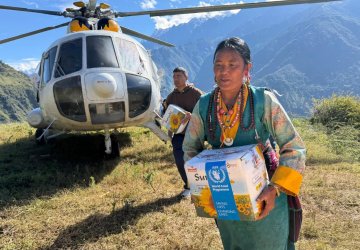
Our team provided technical support for the first-ever national Logistics Capacity Assessment, and 20 district-level assessments. They offer a comprehensive picture of emergency logistics readiness across the country, identifying gaps in transport, storage and emergency supply chains. The findings informed Government efforts to develop a Logistics Service Market Assessment, helping build stronger nationally-led emergency response systems.
As Bhutan’s development path continues, its ambitions are forward-looking. It is one of the only carbon-negative countries in the entire world, uniquely positioned between two big global players and enjoying a blooming economy. Its graduation from Least Developed Country status was hard earned, and I look forward to seeing what the future holds.
This article was adapted from an original interview with UN News. Please visit the UN team's website for more information about the UN's work in Bhutan.





Latest news and updates