Algeria and the UN: a Win-Win Partnership
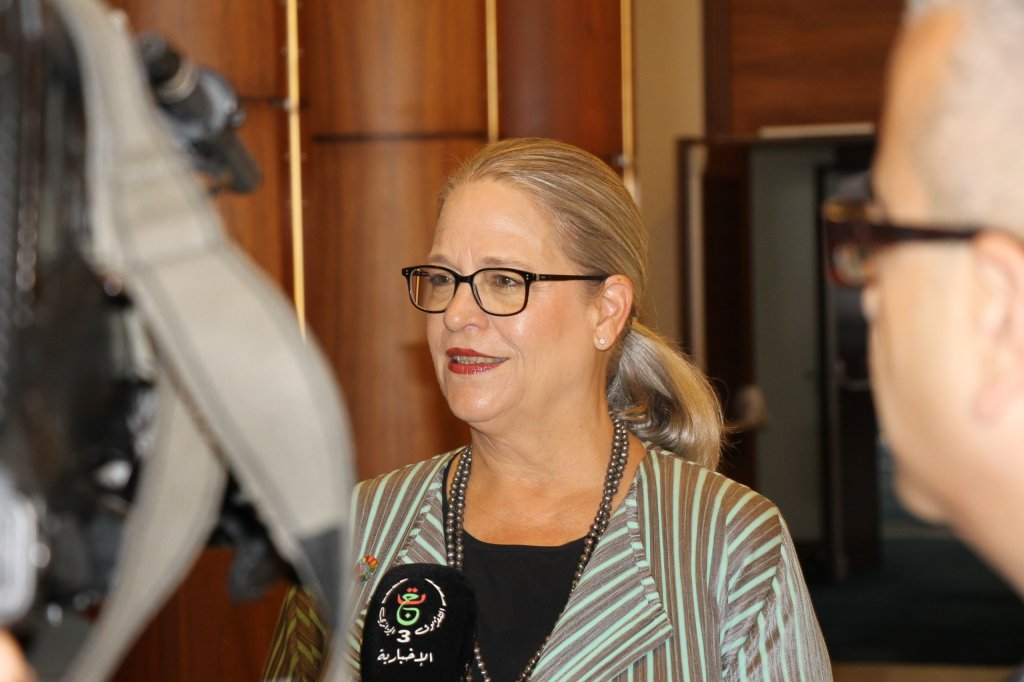
Savina Ammassari, the UN Resident Coordinator in Algeria, reflects on how the UN is supporting the country as it pursues economic growth, inclusion and development through domestic, regional and international partnerships.
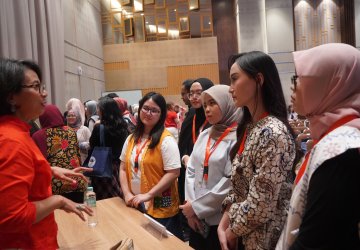
Last October, I attended a workshop in Algiers hosted by the UN Economic Commission for Africa (UNECA) on the role of small and medium-sized enterprises in agricultural transformation across the continent. As I listened to inspiring stories of entrepreneurship, learned about new technologies and later delivered a speech of my own, I was reminded once again of something I have increasingly observed in Algeria: a strong commitment to international cooperation and sustainable development.
Some might say Algeria’s inclination toward partnership is only natural. After all, it is the largest country in Africa and tenth largest in the world, strategically positioned at the crossroads of Africa, Europe and the Middle East, with rich cultural diversity and significant natural resources.
Yet from the bustling port of Oran to the industrial centres of Annaba, I see a country making a deliberate choice to engage, cooperate and innovate. Algeria has embraced the conviction that partnership and solidarity are essential drivers of sustainable development, both nationally and internationally.
As the United Nations marks its 80th anniversary, we are ready to further deepen our partnership with Algeria through closer coordination, concrete results and stronger alignment with national priorities. This collaboration is grounded in national ownership, with Algerian institutions leading the country’s development and reform agenda.
It is also a mutually beneficial partnership. International cooperation supports national capacities, while Algeria’s experiences and achievements offer valuable lessons and opportunities for exchange with other countries.
Trust and equality: Foundations of partnership
The partnership between the United Nations and Algeria is built on trust, dialogue and teamwork. Coordination across sectors is particularly important because challenges such as economic diversification, climate change and social development are deeply interconnected.
But coordination only matters if it improves people’s lives, especially for vulnerable communities. Gender equality remains one of the clearest indicators of effective and inclusive development, because sustainable progress is impossible if half of society is left behind.
The United Nations has supported Algeria through stronger legislation, inclusive public policies and evidence-based programmes. Last year, the UN Country Team worked with national institutions to generate data for a gender measurement tool analysing the impact of economic reforms on women and girls.
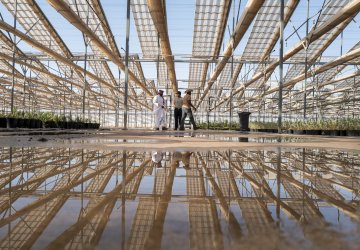
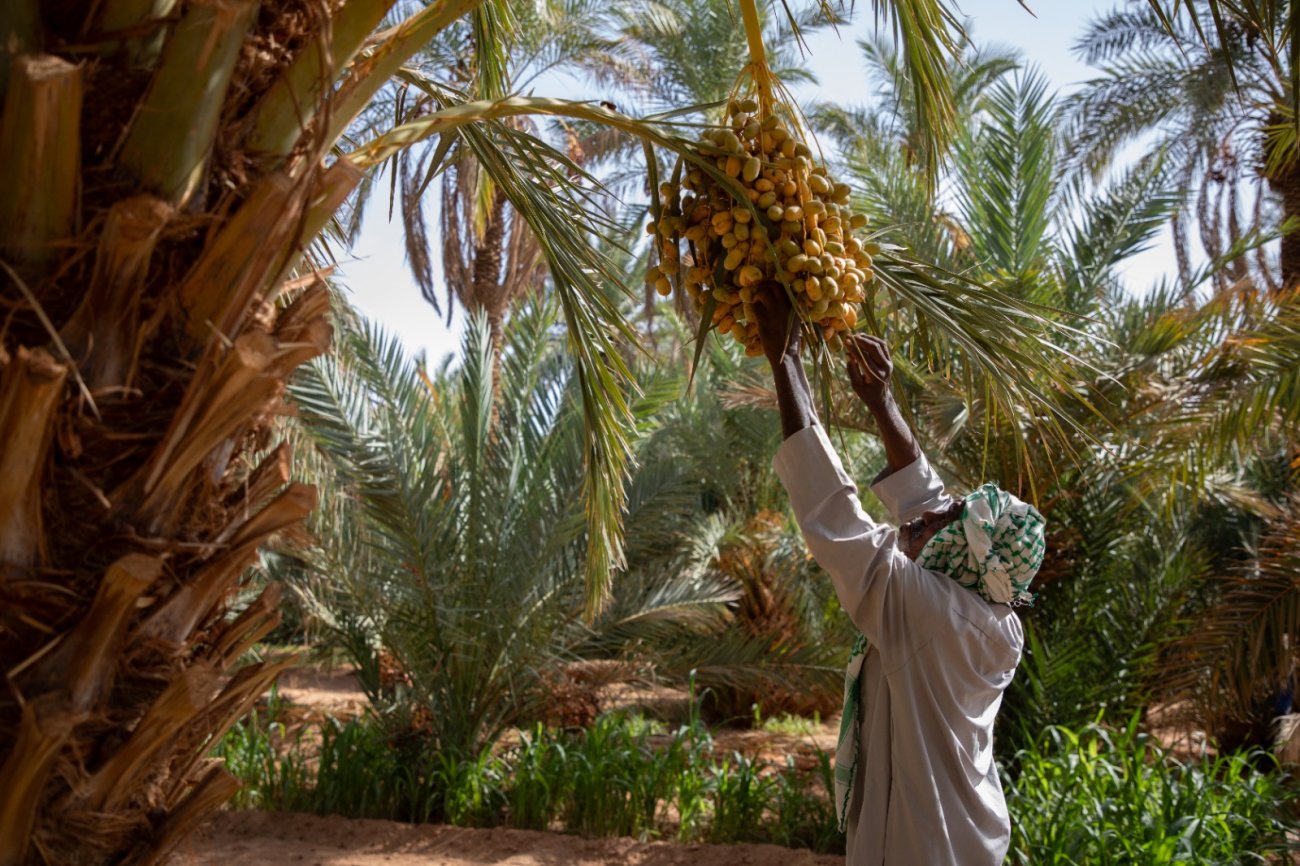
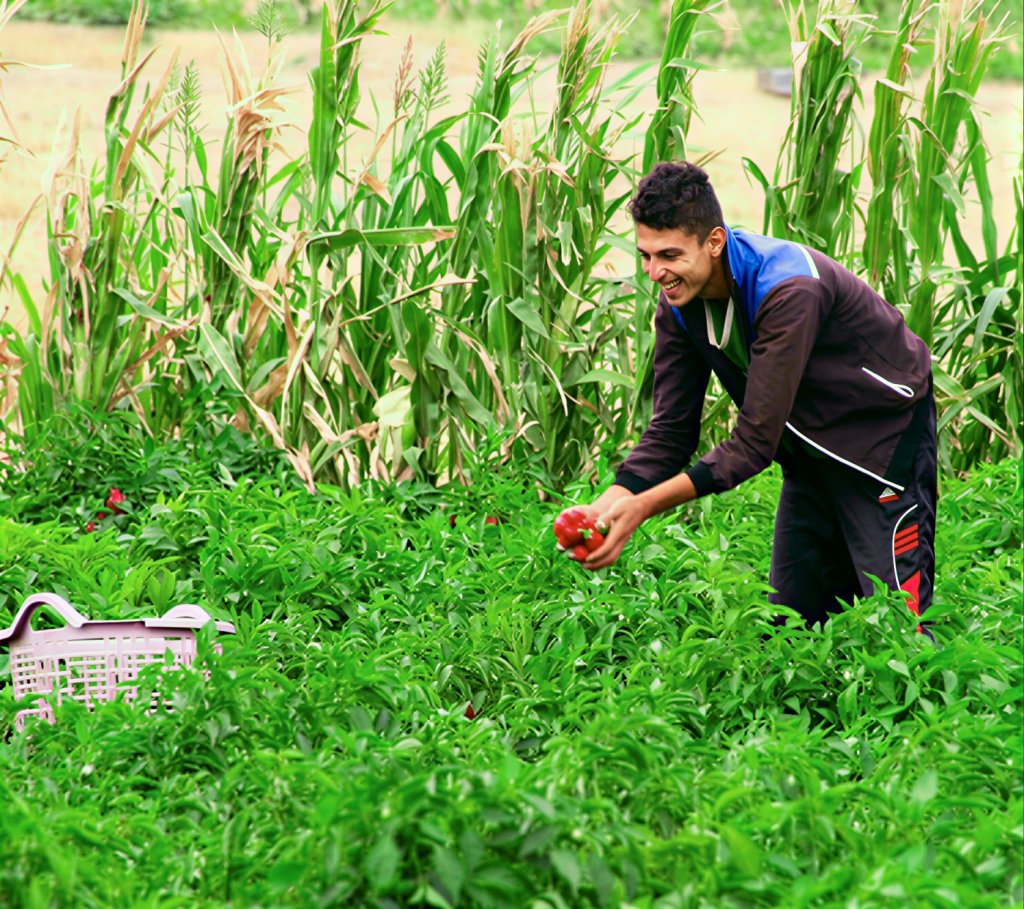
This evidence-based approach is producing concrete results. In 2025, several agricultural and economic diversification initiatives supported by the United Nations trained young participants, 80 per cent of whom were women, while 260 women artisans were reached to promote and market their products.
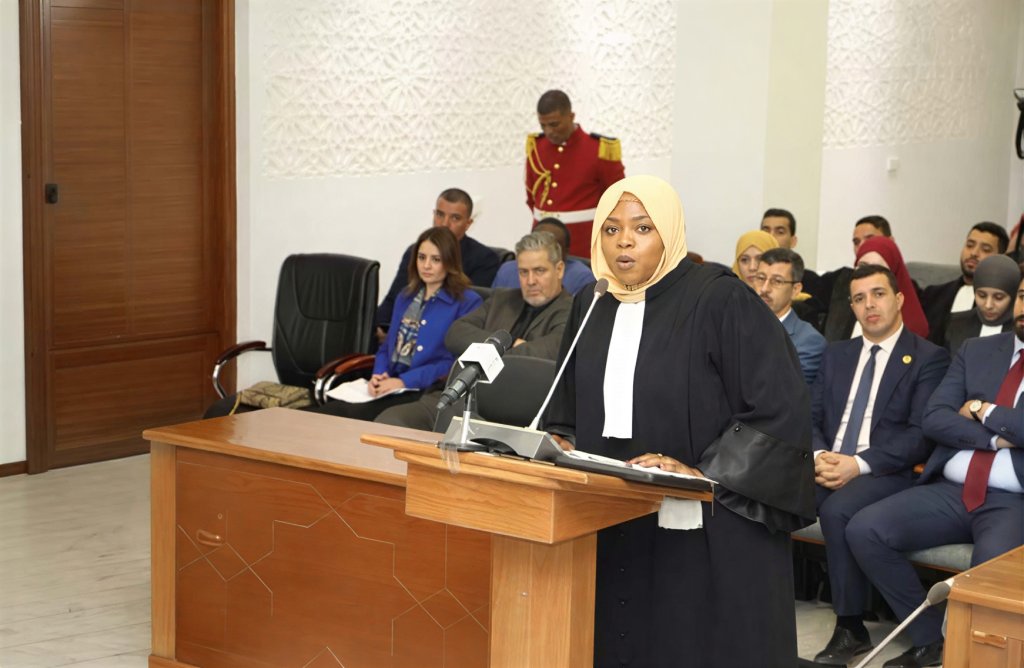
One of my proudest moments as Resident Coordinator was witnessing progress in supporting women magistrates. In 2025, more than 195 women magistrates, including trainees and heads of court, worked with the UN Development Programme (UNDP) and partners through a project providing coaching, mentoring and leadership training. Beyond individual achievements, the initiative aims to strengthen women's leadership, support sustainable career pathways and improve the quality of judicial services overall. A society that empowers women ultimately benefits everyone.
These efforts also gained international visibility during the Commission on the Status of Women at UN Headquarters in New York, where Algeria shared lessons with other countries.
This reflects the essence of the United Nations’ approach: not to impose systems on communities, but to work alongside them so they can shape sustainable solutions themselves and transform local and national experiences into avenues for global learning.
Stimulating the economy through inclusivity
At last October’s workshop, participants frequently highlighted one of Africa’s greatest assets: its youth. Young people will inherit the continent’s economies and opportunities. Although youth unemployment in Algeria has improved since 2019, it remains high, leaving many understandably concerned about their future.
Last year, the United Nations supported Algeria in creating an Intersectoral Youth Committee bringing together 24 ministries and advisory bodies. The Committee will bolster dialogue between young people and public institutions, complementing implementation of the National Youth Plan 2025–2029.
Ensuring that young people are heard, however, is only one part of the equation. Ensuring they can thrive is equally important.
The United Nations supports youth in gaining the skills required for tomorrow’s economy while also paving the way for those skills to flourish. In 2025, more than 7,300 young people gained employment with UN support, and over 250 received life-skills training to strengthen their employability.
These efforts have even translated to the global stage with Algeria’s admission to the WorldSkills international network. This step forward offers a timely window to better vocational training and partnerships with expanding industries, training institutions and other governments.
The country’s ambition was further displayed during the National Conference for Start-ups late last year, which highlighted Algeria’s growing innovation and commitment to entrepreneurship and youth-led enterprise development.
Against the backdrop of these engagements and programmes, Algeria is pursuing an ambitious digitalisation agenda aimed at modernising public administration, expanding digital services and fostering a more innovative economy. This strong drive toward digital transformation is increasingly becoming a catalyst for economic diversification and enhanced access to new pathways, particularly for young people and entrepreneurs.
By investing in its youth, Algeria is helping ensure that opportunity keeps pace with talent and is shaping a future defined not only by participation, but by possibility.
A wider vision
As we saw with the WorldSkills network, Algeria’s ambition to expand its economy and employment prospects are increasingly extending beyond its borders.
The Intra-African Trade Fair, hosted in Algiers last September, highlighted the country’s ambition to improve continental trade, support entrepreneurship and create new possibilities for start-ups, small businesses and young and female innovators. By advancing regional production processes, the trade fair was also a platform for both the country and continent to grow.
Just a few months after the fair, Algeria hosted a major conference on African pharmaceutical production and health technologies, bringing together ministers, experts, industry leaders and UN agencies. More than 25 countries adopted the Algiers Declaration, reaffirming local pharmaceutical production as a pillar of African health sovereignty.
Importantly, the conference also facilitated an export agreement for Algerian pharmaceutical products to several African countries worth approximately $10 million, demonstrating how regional teamwork can contribute to addressing shared health challenges across the continent.
These examples demonstrate collaboration in action, linking domestic development efforts with broader engagement. As the partnership between Algeria and the United Nations deepens, I remain committed to leveraging the broad network and convening role of the Resident Coordinator to support new opportunities and partnerships.
Enduring partnerships for a sustainable future
Agricultural transformation initiatives, the Intersectoral Youth Committee, pharmaceutical agreements and the continental trade fair hosted in Algiers are only a few examples from an increasingly long list of Algeria’s engagements and partnerships.
Whether through ensuring stronger participation for women and youth in decision-making or supporting Algeria’s active role in international platforms, I continue to witness the tangible benefits of the country’s commitment to partnership and solidarity.
I look forward to supporting Algeria as these partnerships continue to grow and contribute to a more sustainable, inclusive and cooperative future in the years ahead.
This blog was authored by Savina Ammassari, the UN Resident Coordinator in Algeria. Please visit the UN team's website for more information about the UN's work in Algeria.





Latest news and updates