Countering Hate, Building Trust
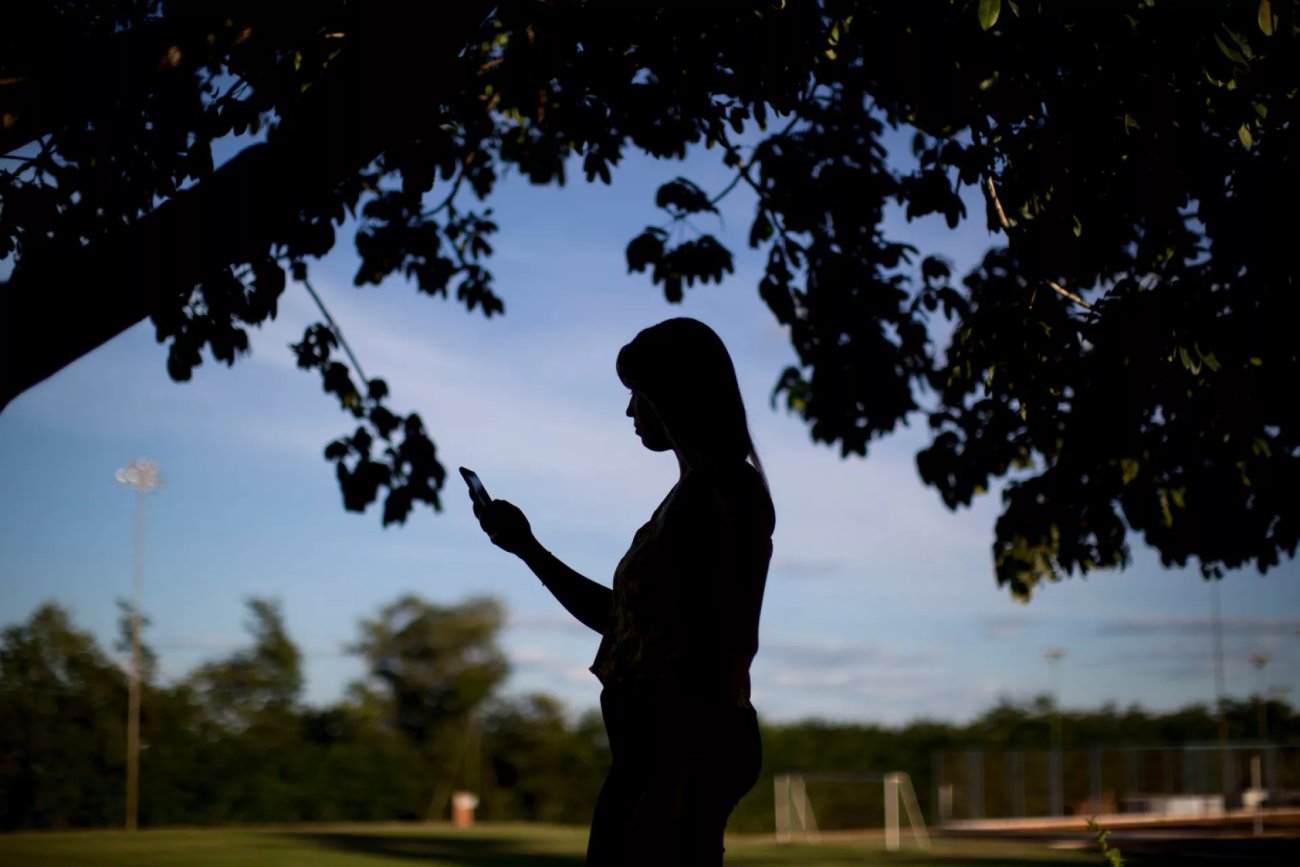
Across five continents, countries are showing that countering hate speech is no longer a communications task alone — it has become core to building trust, social cohesion and sustainable development. Marked each 18 June, the International Day for Countering Hate Speech finds governments, people and UN Country Teams treating online hate not as isolated incidents, but as early-warning signals for discrimination, polarisation and real-world harm — and acting before harm occurs.
A false rumour spreads online. A migrant family becomes a target. A refugee community faces hostility. A political narrative is manipulated to deepen divisions. What begins as a post, a comment or a misleading video can become something much larger: distrust, discrimination, polarisation and, in some cases, violence.
This is the challenge countries now face at the intersection of governance, human rights and development. The question is no longer only whether people can access information — it is whether they can access information they can trust. As digital platforms become central to public life, misinformation, disinformation and hate speech increasingly shape public debate, sway political processes and endanger vulnerable communities. Left unchecked, they erode trust in institutions and undermine peaceful, inclusive societies.
Under the leadership of Resident Coordinators, five UN Country Teams show these risks can be addressed — and offer transferable lessons.
How Kenya turned election monitoring into youth-led peacebuilding
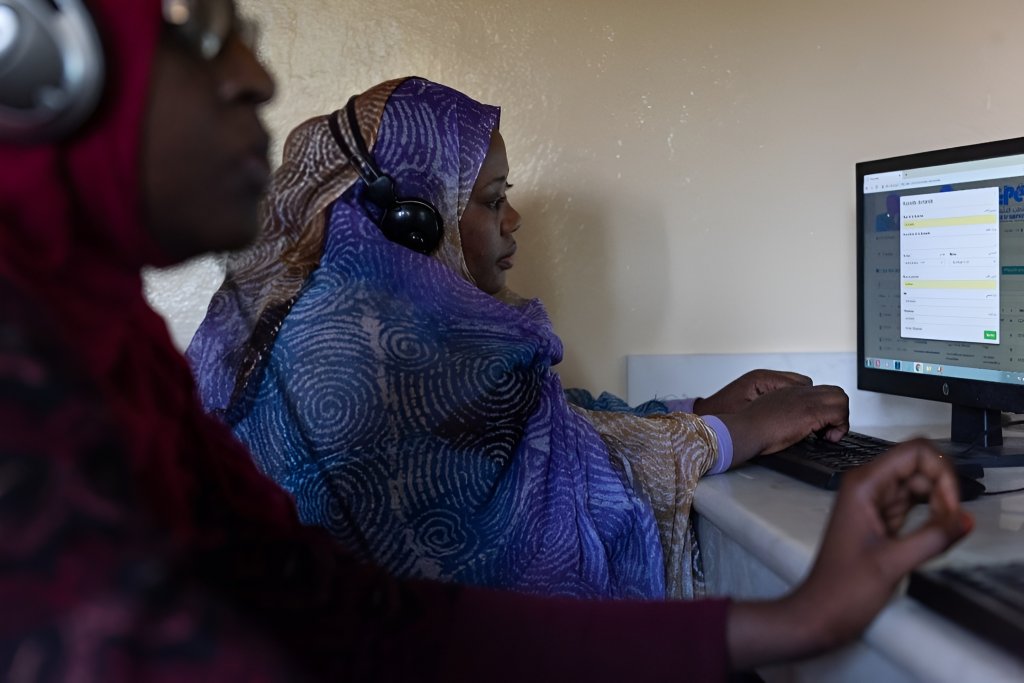
In Kenya, online hate speech and manipulated narratives during the 2022 elections were treated not as a communications problem but as a peacebuilding one. Digital monitoring was linked directly to conflict-prevention and early-warning systems, while partnerships with civil society and technology innovators sharpened the ability to spot harmful narratives and emerging tensions early.
The response centred on young people. Through digital and community dialogue platforms, youth were equipped to challenge harmful narratives, join policy discussions and shape national conversations on governance and cohesion. What began as election monitoring became a lasting investment in youth leadership and civic participation.
How Costa Rica built evidence into Latin America's first hate speech observatory
Costa Rica's UN-supported response is reaching more than one million students through educational initiatives and hundreds of thousands of people each week through public awareness campaigns promoted since 2021.
Research on hate speech affecting migrants, women, journalists and minority groups informed the creation of the National Observatory on Hate Speech and Discrimination — among the first of its kind in the Americas. Led by the Resident Coordinator, the UN Country Team combined research, policy engagement and public awareness, with partnerships spanning government, academia, civil society and technology platforms.
Monitoring subsequently indicated a measurable reduction in online hate speech targeting migrants and ethnic groups in 2025, reported by the UN annual investigation — evidence that understanding a problem precisely is the first step to shifting it.
How Moldova coordinated 26 partners to protect public trust
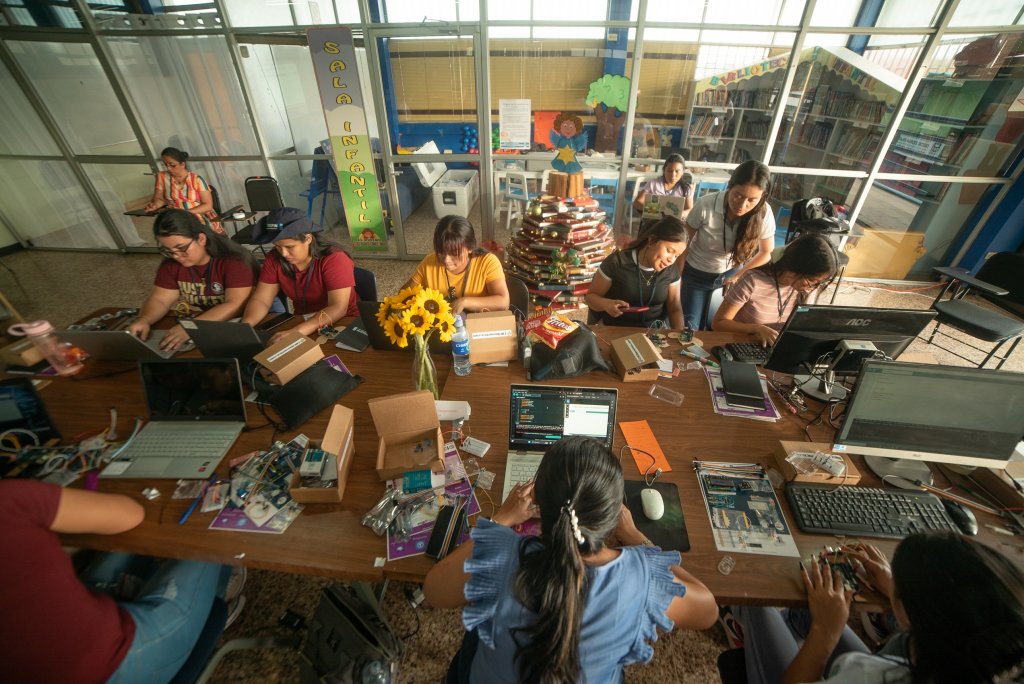
In Moldova, repeated electoral cycles and political polarisation created fertile ground for misinformation. National authorities, the United Nations and development partners worked together to strengthen monitoring, awareness campaigns and mechanisms to counter misleading narratives.
A central role was played by the Communicators Platform of Development Partners, which brought 26 partners together to align messaging and coordinate communication strategies. In an environment where misinformation moves fast across digital and traditional media, this coordination strengthened resilience and protected public trust.
How the Dominican Republic moved from monitoring to rapid response
The Dominican Republic shows how information monitoring supports crisis prevention. As toxic narratives around migration and discrimination gained visibility, social listening, research and stakeholder engagement surfaced emerging risks early. More than 450 journalists, public officials, civil society representatives and communicators were trained to address disinformation and hate speech.
When a false narrative targeting the United Nations gained traction, an inter-agency crisis communications group was activated — combining daily narrative monitoring, coordinated messaging, collaboration with fact-checkers and amplification of verified information through UN channels. The response curbed escalation and produced a crisis communications protocol for future incidents.
How Indonesia stopped online harm from becoming offline harm
In Indonesia, misinformation and hate speech targeting Rohingya refugees laid bare the direct line between online narratives and real-world consequences. Local authorities, communities, civil society and UN agencies monitored emerging narratives, shared verified information and engaged communities directly. The goal was not only to counter falsehoods, but to stop digital hostility from hardening into discrimination, harassment and conflict.

The shared lesson: countering hate is about people, not just technology
These experiences span very different contexts, but converge on one point. Countering hate speech ensures citizens can participate in public life based on facts rather than fear; it protects communities from discrimination and violence; it rebuilds trust in institutions, in democratic processes and in one another.
They also show hate speech rarely travels alone — it intersects with political polarisation, migration, discrimination and conflict. Addressing it means convening people who don't always work side by side: community leaders, educators, journalists, researchers, civil society, governments and international partners. In many countries, Resident Coordinators have overseen this work — convening partners, fostering dialogue, aligning expertise across the UN system and backing nationally-led solutions.
Looking ahead, the challenge grows more complex. Artificial intelligence is accelerating the creation and spread of synthetic content; harmful narratives can emerge, evolve and cross borders at unprecedented speed. This is where the vision of UN 2.0 becomes decisive: through data, digital innovation, foresight, behavioural science and stronger partnerships, countries can shift from reacting to crises to anticipating risks and building resilience before harm occurs.
Kenya, Costa Rica, Moldova, the Dominican Republic and Indonesia demonstrate that solutions already exist — and that countering hate speech and strengthening information integrity are now essential to delivering peace, inclusion and sustainable development in the digital age.
No room for hate
As major sporting events bring billions of people together across cultures and borders, countering hate extends beyond politics and institutions. Sport can foster belonging, respect and solidarity — but it can also amplify racism, xenophobia and online abuse.
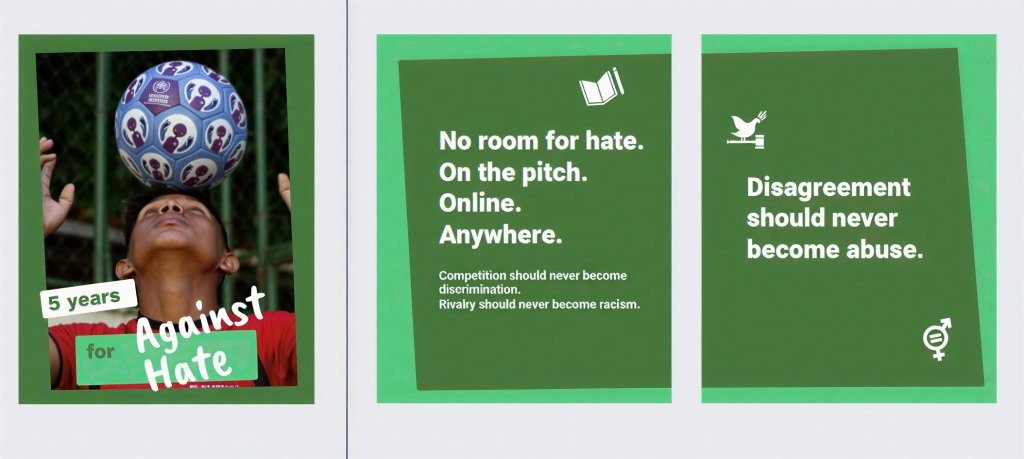
Through the Five Years For People and Planet campaign, the Development Coordination Office is introducing a new 2026 World Cup activation — including Five Years Against Hate — that uses the power of sport to promote inclusion and bring people together across differences.
No room for hate. On the pitch. Online. Anywhere. Competition should never become discrimination. Rivalry should never become racism. Disagreement should never become abuse.
As countries advance the Pact for the Future and the Global Digital Compact, the task is not simply to counter harmful content. It is to build societies — and information ecosystems — that strengthen trust, protect human dignity and expand opportunities for meaningful participation. Because in a world shaped by information, trust is more than a social value. It is a development asset.
Key takeaways
- Countering hate speech is increasingly treated as a development and social cohesion matter, not only a communications one.
- Early-warning monitoring works best with multistakeholder coalitions (Kenya) and rapid response protocols (Dominican Republic).
- Evidence and education drive measurable change — Costa Rica reached over a million students and tracked a decline in anti-migrant hate speech.
- Coordination multiplies impact: Moldova aligned 26 development partners around shared messaging.
- The hardest harm is the online-to-offline jump — Indonesia's response focused on preventing exactly that.
__________________________________________________________________________
Frequently Asked Questions
What is the International Day for Countering Hate Speech? An annual UN observance on 18 June that spotlights global concern over the spread of hate speech and promotes strategies to identify, address and counter it, while protecting freedom of expression.
When is it, and why? 18 June. The date marks the anniversary of the UN Strategy and Plan of Action on Hate Speech, launched by Secretary-General António Guterres on 18 June 2019.
Who established it? The UN General Assembly, by resolution A/RES/75/309, adopted by consensus on 21 July 2021. The Day was first observed in 2022.
What is the UN doing about hate speech? Through the UN Strategy and Plan of Action on Hate Speech and the work of Resident Coordinators and UN Country Teams, the UN supports monitoring, early warning, education, fact-checking partnerships and nationally-led responses — increasingly framed within UN 2.0, the Pact for the Future and the Global Digital Compact.





Latest news and updates