Disability Isn’t the Problem. The Barrier Is.
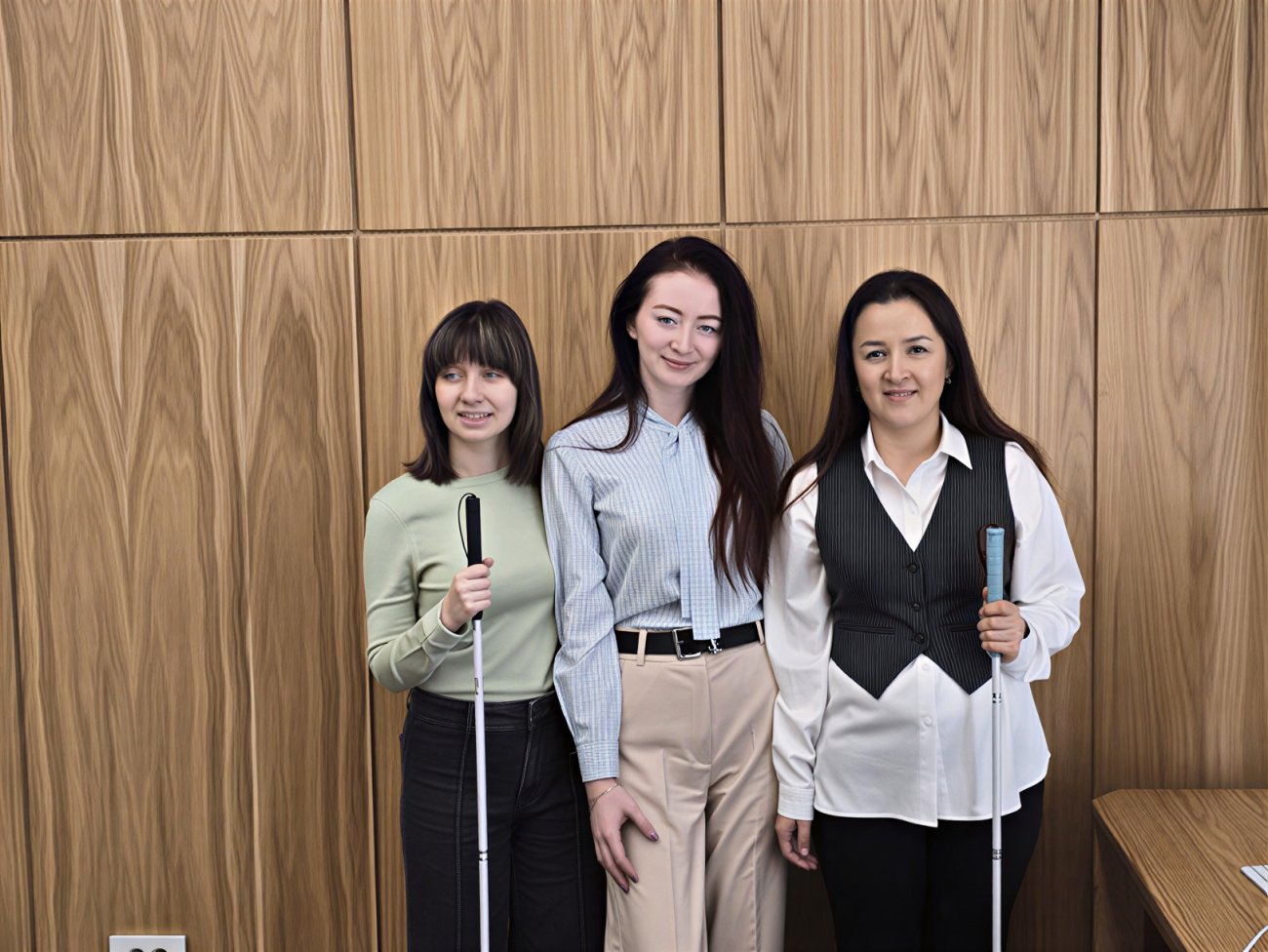
A story of three UN Volunteers from Uzbekistan
Disability is not just policy language
For UN Volunteers, Firuza, Shaida and Shahodat, disability is not an abstract concept—it’s part of life. As Disability-Inclusive Communications and Outreach Specialists with the United Nations Resident Coordinator's Office (UN RCO) in Uzbekistan, their goal is simple: make sure disability inclusion shows up in everyday decisions, not just policy language. And that the voices of persons with disabilities are heard—and respected.
Their volunteer assignments are part of ongoing efforts in inclusion. Since Uzbekistan ratified the Convention on the Rights of Persons with Disabilities in 2021, the UN Country Team has supported the country’s efforts to improve disability inclusion. Through a joint programme, the UN expanded inclusive social services, trained nurses, teachers and service providers, and supported reforms to disability assessment, data systems and budgeting.
Not simply an example
Firuza Rasmukhamedova was born with a visual disability. In her UN Volunteer assignment, she supports UN RCO in Uzbekistan in producing communication materials so that persons with disabilities are seen, heard and their experiences are respected.
“I am a young woman living with a visual disability since birth. Over the years, I have learned to navigate the world through sound, empathy and determination. Currently, I work as a UN Volunteer, helping UN Uzbekistan to produce communication materials that ensure people with disabilities are represented and heard.
I also run an Instagram account and share the barriers I face and how many public spaces in Tashkent are still inaccessible for people with disabilities.
In 2025, I proudly finished second in the 5 km inclusive race at the Samarkand Marathon. For me, the race wasn’t about winning, it was about visibility, showing that inclusion is something we put into action, not just talk about.
I’m not interested in being 'an example.' I’m focused on being a professional who contributes—someone who uses communication to open doors for others. Inclusion isn’t about inspiration, it’s about access, respect and equal opportunity.”
Never give up
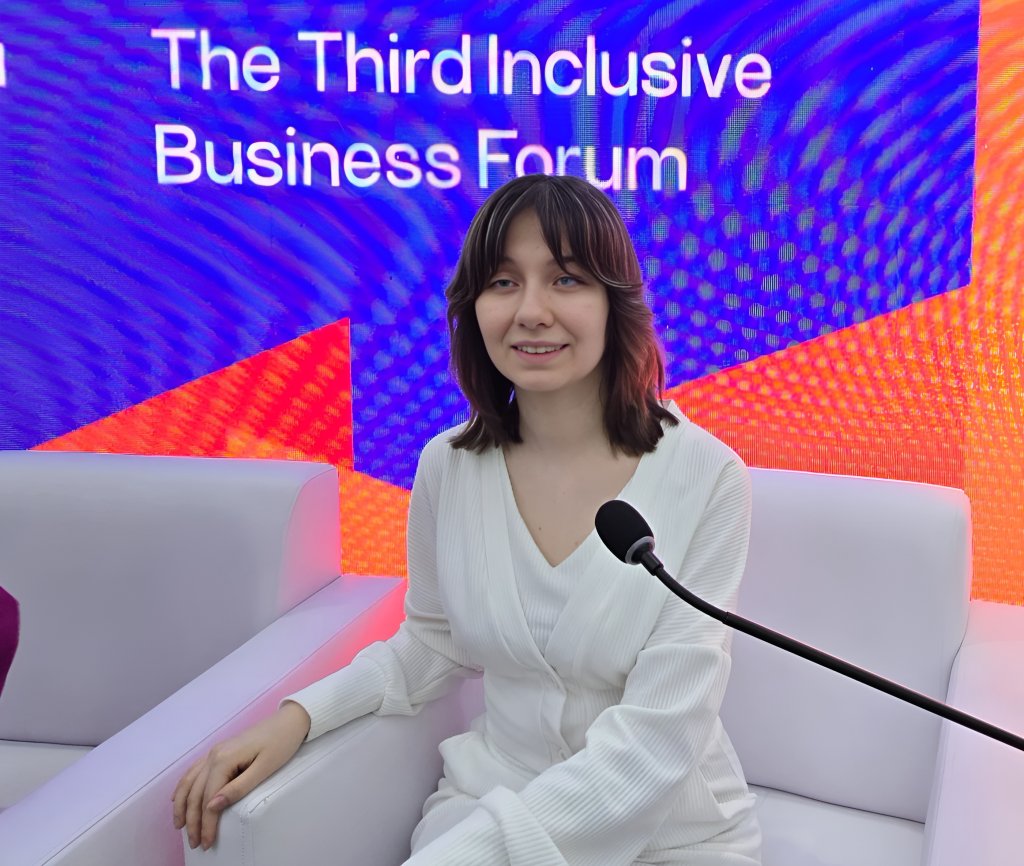
Shaida Gafurdjanova gradually lost her vision. Still, she chose hope over fear.
“I gradually lost my vision over the years. In 2015, my vision deteriorated sharply, making it difficult to navigate the city, though I continued believing in the best. In 2023, we moved to Tbilisi, where I started using a white cane and worked with a mobility specialist. I gained confidence moving independently.
After returning to Tashkent in 2024, I joined Sharoyit Plus, an NGO, and took part in inclusive forums, and began training as an athlete with a professional coach.
Working as a UN Volunteer allows me to share my experience, inspire others and promote inclusion. My goal is to visit schools and universities across Uzbekistan, motivating young people with disabilities to never give up.
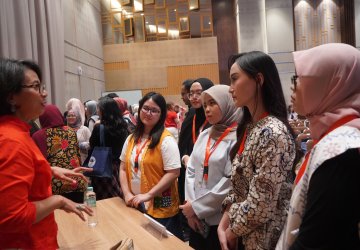
Recently, I joined other UN Volunteers to run trainings at universities in Tashkent, where we talked about what inclusion truly is and how each person can help make our society more inclusive and tolerant.”
Free from discrimination
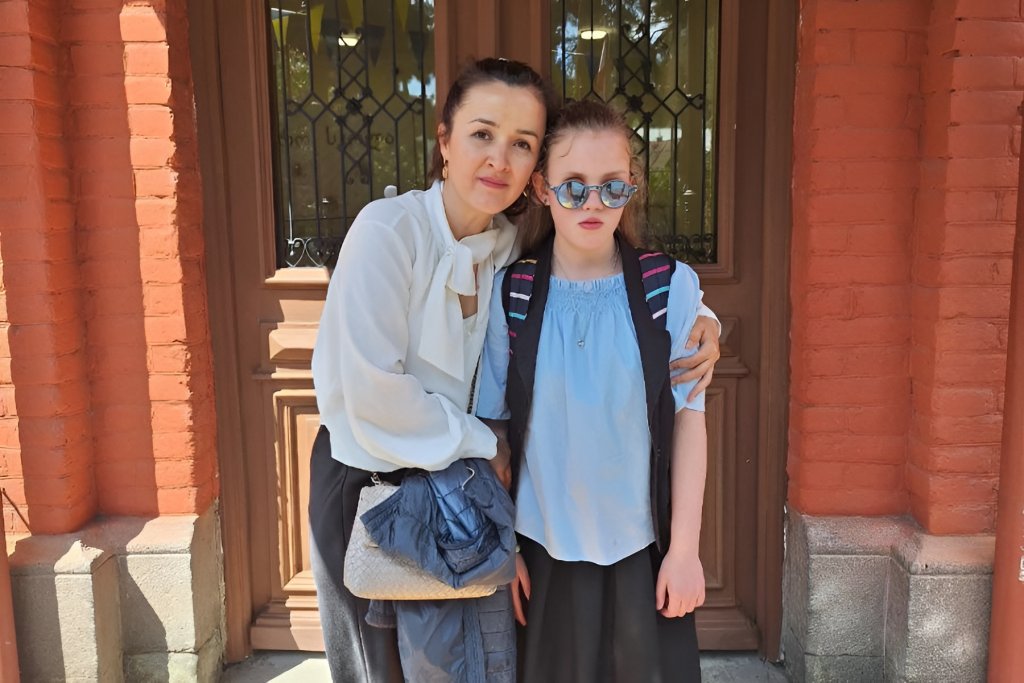
Growing up with albinism, Shahodat Yo'ldosheva learned early what it meant to stand out.
“I am a young woman with albinism. When I was a child, some people advised my parents to send me to a boarding school so I could have an easier path to university. Instead, they chose our village’s public school so I could grow up alongside other children, make friends and feel less set apart.
School was not easy. I often sat in the very front and still struggled to see the board. I faced discrimination and sometimes bullying. Many teachers simply didn’t know how to support a student with albinism, which led to misunderstandings. Even so, I finished 11 years of school and went on to university.
Watching my siblings, who also have albinism, I realised how much I wanted their experience to be different from mine—free from discrimination, treated equally by teachers and classmates, and given access to assistive tools that make learning easier. My goal became clear: to help create the opportunities I didn’t have.
After graduating from university, I joined the Ish Plus project with Sharoit Plus, an NGO helping over 300 people with disabilities find jobs.
Today, I serve as a UN Volunteer, I support the UN team in Uzbekistan by making their communication more inclusive and highlighting the challenges people with disabilities face.”
Through their work, Firuza, Shaida and Shahodat aren’t simply raising awareness—they’re trying to change perceptions on who gets to speak, and who gets listened to. They’re opening conversations that too often get postponed or edited out.
And if future generations face fewer barriers, it won’t be because attitudes magically changed—it’ll be because individuals like them refused to let inclusion stay polite and optional.
This story was originally published by UN Volunteers. Please visit the UN team's website for more information about the UN's work in Uzbekistan.





Latest news and updates